Independence Square in Nikšić is one of those places where a city reveals itself without pretense. There are no tourist traps here, no forced grandeur—just the quiet rhythm of everyday life unfolding as it always has. Tucked in the heart of the city, the square feels like the natural center of things, a place where history, routine, and that unhurried Balkan pace come together in a way that sets Nikšić apart from Montenegro’s coastal resorts.
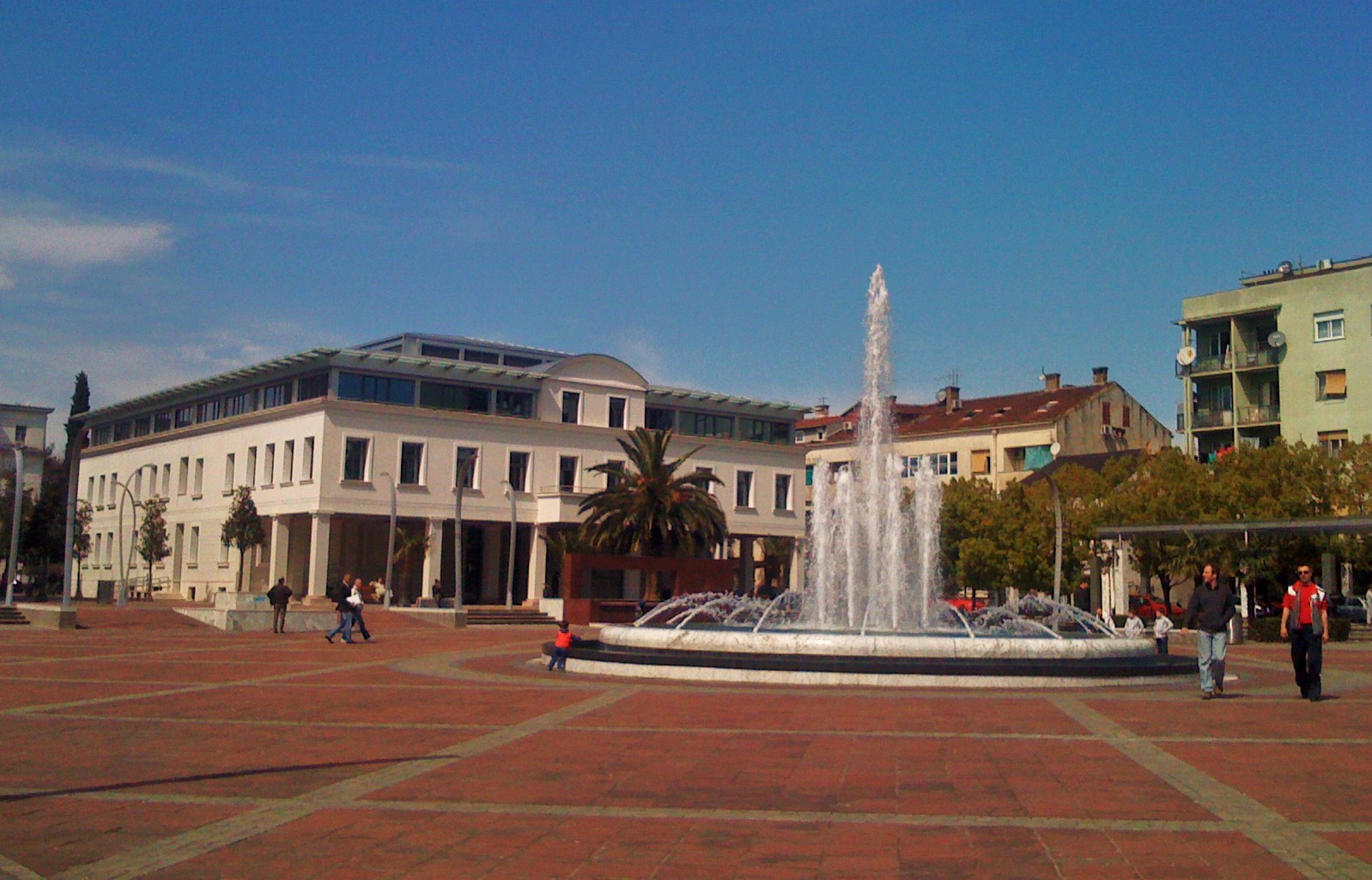
The architecture around the square doesn’t demand attention, and that’s part of its charm. The buildings are classic examples of mid-20th-century Yugoslav modernism—clean lines, large windows, and functional facades that prioritize purpose over ornamentation. There’s a sense of solidity to them, as if each brick was laid with the expectation that it would still be standing decades later. The most prominent structure is the municipal building, its symmetry and mass giving it a quiet authority. It doesn’t feel old, but neither does it try to be cutting-edge; it simply exists, as much a part of the city as the streets around it.
The square’s history is tied to Nikšić’s growth in the last century. The city has long been an industrial and transport hub, and after World War II, it expanded rapidly. Independence Square became a symbol of that era—a time of construction, optimism, and the belief in a new future. The name wasn’t chosen lightly; it reflected the spirit of a country finding its footing after gaining independence. Today, the name carries a touch of irony, as the square is no longer a stage for political rallies, but the echoes of that time still linger in the air.
This is where Nikšić’s daily life plays out. In the mornings, locals gather at cafés for coffee and fresh pastries. By afternoon, students from the nearby university fill the space, their conversations blending with the hum of the city. Evenings bring groups of friends meeting for drinks, their laughter mixing with the clink of glasses. In summer, the square often hosts concerts or festivals, transforming into an open-air stage where music spills into the streets and the scent of roasted chestnuts hangs in the air. Winter is quieter, but no less inviting—strings of lights wrap around the trees, warm glow spills from café windows, and the occasional passerby hurries through the crisp evening.
Independence Square isn’t a place you visit with a guidebook in hand. There are no famous landmarks or museum pieces here, just an atmosphere that can’t be captured in photographs. It’s the kind of spot where you can sit on a bench, watch the world go by, and slowly realize that Nikšić isn’t just a dot on a map. It’s a living place with its own character, one that doesn’t try to impress visitors but simply exists as it always has.
If you find yourself in Nikšić, take a moment to linger here. Walk across the square, step into one of the cafés, and order a coffee—strong, aromatic, served in a tiny cup the way it’s meant to be. If you strike up a conversation with a local, don’t expect over-the-top hospitality, but if you show genuine interest, they might share stories about how the city has changed over the years—the old factories that closed, the new neighborhoods that sprung up, the way Nikšić has adapted to a different kind of life.
The square isn’t just about the past or the present; it’s also a glimpse into the city’s future. Occasionally, events focused on urban development, ecology, or culture take place here, organized by local authorities or activists. Efforts have been made to make the space more welcoming—new bike lanes, benches, and greenery have been added—but always in a way that respects the square’s existing character. The changes are subtle, ensuring that the place doesn’t lose what makes it special.
In the end, Independence Square isn’t so much a tourist attraction as it is a reflection of Nikšić itself. This is a city that doesn’t chase fame or hide from the world. There are no luxury hotels or bustling waterfronts here, just an authenticity that’s becoming harder to find. If you want to understand Montenegro beyond Budva and Kotor, if you’re curious about the country as it was and as it’s becoming, this square is a good place to start. It won’t tell you everything, but it might just give you the key to understanding a lot more.