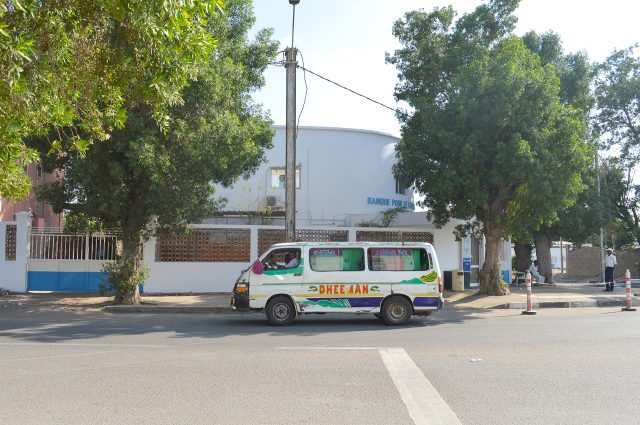
In the heart of Djibouti City, Place Menelik is where daily life and history intersect. It doesn’t shout for attention like European plazas with their fountains and statues. Instead, it waits for those who pause to notice.
Emperor Menelik II of Ethiopia gave the square its name, marking Djibouti’s role in regional history. In the late 1800s, when the city was still shaping its identity as a port, this spot drew merchants, officials, and travelers. Over time, it became a stage for public life—protests, celebrations, and everyday exchanges played out against a backdrop of colonial and post-colonial shifts. The buildings around it tell this story: colonial structures stand beside modern offices, their facades sometimes bearing traces of French design.
The square isn’t grand. It’s more a wide intersection than a plaza, with no monuments or fountains at its center. A few old trees offer shade from the sun. Along its edges, small cafés, shops, and offices buzz with quiet activity. Mornings bring vendors to the sidewalks; evenings bring groups of young people chatting over coffee. The pace here is slow, shaped by locals, not tourists.
For visitors, Place Menelik isn’t a typical attraction. There are no crowds, no tours, no scripted experiences—just the chance to see the city as it is. Taxis idle at the edges. Residents move through without fanfare. The square doesn’t perform; it simply is.
The port, Djibouti’s lifeblood, defines the square’s atmosphere. From here, you can see the Gulf of Tadjoura, where ships anchor offshore. Salt and fish scent the air. Occasionally, a ship’s horn cuts through the city’s noise. This connection to the sea is always present, a reminder of Djibouti’s role as a crossroads of trade.
As evening cools the day, the square changes. The afternoon’s heat softens, and sidewalks fill with people—friends talking, families strolling, vendors selling roasted nuts and fruit. Music drifts from windows. Sometimes, someone starts dancing on the pavement. In these moments, Place Menelik feels alive, not like a landmark but a place where the city breathes.
It may look unassuming, but the square matters. It contrasts with the city’s modern business districts, proving history isn’t always grand or obvious. For those who come to Djibouti to understand it on its own terms, Place Menelik is a starting point. No brochures, no grand narratives—just a place that has witnessed change without losing itself.