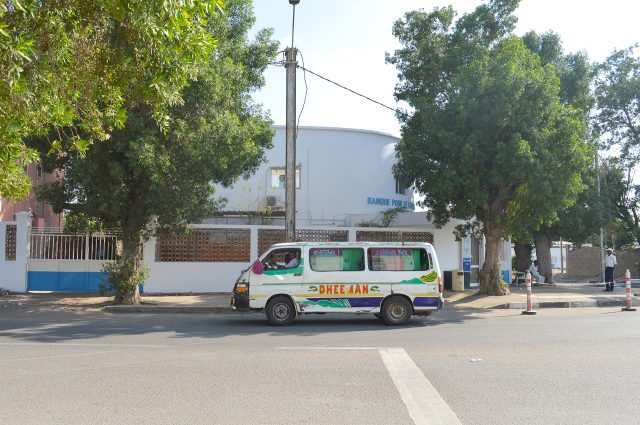
Djibouti’s Central Market is where the city’s pulse beats strongest. Unlike the chaotic energy of other capital bazaars, with their relentless noise and crowds, this place moves to a quieter rhythm. Every sound, scent, and gesture here carries meaning, woven into the fabric of daily life. The market sits at the heart of the city, and if you spend any time in Djibouti, you’ll find yourself drawn here—not because it’s a tourist attraction, but because it’s where the country’s true character reveals itself.
The market’s architecture is simple and practical, designed to shield vendors and shoppers from the harsh sun. Low buildings with flat roofs, painted in pale shades, create a maze of narrow passageways where every inch of space is claimed by stalls. There’s no strict organization like in European markets; spices mingle with fabrics, fruits share space with household goods, and a fishmonger’s stall might stand next to a cobbler’s workshop. The layout seems haphazard at first, but it follows a logic understood only by those who navigate it daily.
Mornings begin early. As the first light touches the rooftops, vendors are already setting up. Women in vibrant traditional dresses spread mats on the ground, displaying dried fish, dates, and local spices. Men push carts loaded with sacks of grain, vegetables, and fruits brought in from neighboring countries—Ethiopia, Somalia, Yemen. You can find almost anything here, from the familiar to the exotic, but the real draw is the atmosphere. Transactions unfold slowly, accompanied by conversation and laughter. No one rushes.
Spices are the market’s soul. Their fragrance lingers in the air from dawn, a mix of turmeric, cardamom, coriander, and chili. They’re sold by the handful, scooped into paper bags or offered on the vendor’s palm. Locals use them generously—stirred into stews, sprinkled over grilled meat, even steeped in tea. If you buy something, expect an invitation to taste. Vendors take pride in explaining how to use each spice, sometimes sharing a favorite recipe. It’s not just commerce; it’s a lesson in flavor.
Beyond trade, the market is a social hub. Friends meet to catch up, elders gather for games of backgammon, and women cluster in small groups to sip Arabic coffee, strong and spiced with cardamom. The coffee ritual is unhurried, a moment of connection. If someone offers you a cup, accept—it’s an invitation into the city’s daily life, far from the polished surface of travel guides.
For locals, the market is also a link to tradition. You’ll find goods here that supermarkets don’t stock: hand-embroidered textiles, clay pottery, silver jewelry set with semiprecious stones. Many items are made on the spot. If you’re lucky, you might watch a silversmith at work, his hands shaping delicate bracelets or pendants from raw metal. These crafts aren’t just souvenirs; they’re part of a living heritage.
The market shifts with the day. By midday, the heat becomes oppressive, and activity slows. Vendors retreat into the shade, shoppers disperse to cafés or homes to wait out the hottest hours. But as evening falls, the market revives. Lanterns flicker to life, and the space transforms. Now, it’s not just about shopping—it’s about community. Teenagers gather around food stalls, sampling grilled flatbreads or skewered meat, while families settle onto benches for an open-air dinner.
Djibouti’s Central Market isn’t just a place to buy groceries or trinkets. It’s a living entity, reflecting the city’s rhythms, contradictions, and warmth. There’s no room for indifference here; everyone who visits becomes part of the scene. If you want to understand Djibouti, start at the market. Take your time. Listen to the conversations, breathe in the scent of spices and coffee, and let the place reveal itself—not as a destination, but as the city’s beating heart.