Djibouti
Djibouti · 8 places
Photo: Middayexpress (derivative work), CC BY-SA 4.0
Djibouti City sits where the Red Sea spills into the Indian Ocean, a place where the scent of spices lingers in the salt-tinged air. The old quarter’s narrow lanes wind past coral-stone houses, their low walls worn smooth by time, while just beyond them, the port hums with the rhythm of global trade. This isn’t a city that polishes itself for visitors. It’s a place where tradition and progress exist side by side, unfiltered and unapologetic.
The port is the lifeblood of the city, one of the busiest on the African coast. Ships from Europe, Asia, and the Middle East unload their cargo here, filling the markets with goods from every corner of the world. On the waterfront, fishermen haul in their catch as dockworkers shift containers of Ethiopian coffee or Chinese electronics. The air is thick with the sounds of Arabic, French, Somali, and Afar, punctuated by the blare of ship horns and the cries of gulls. Djibouti City is a crossroads where Africa brushes against the Arabian Peninsula, where European influences seep into the architecture, and where every conversation feels like a negotiation between worlds.
At the heart of the city, the whitewashed walls of Hamoudi Mosque rise above the streets, a quiet anchor in the chaos. Nearby, cafés serve strong coffee spiked with cardamom, the bitter aroma cutting through the heat. On the outskirts, the desert creeps in, its dunes blurring into the edges of the city. The beaches here are untamed, strewn with black volcanic sand, empty except for the sea and the horizon. There are no resorts, no manicured promenades—just the raw, unrelenting beauty of the coast.
This is not a city that pretends to be gentle. There are no parks or fountains to soften its edges, no grand boulevards to stroll. In summer, the asphalt radiates heat like a furnace, while winter rains turn the streets into temporary rivers. The locals know how to endure—how to wait out a storm in the shade of a courtyard or find relief under the sparse palm trees. Life here is a daily reckoning with the elements, a reminder that nature doesn’t bend to convenience.
Come without expectations. There are no nightclubs or shopping malls, no polished tourist experiences. What you’ll find instead is Africa stripped of pretense. You could venture to Lake Assal, where the water is so dense with salt that you float effortlessly on its surface. Or visit Day Forest National Park, where rare wildlife roams freely. But the real draw is the city itself—wandering through spice-scented shops, sampling grilled camel or fresh fish, listening to the stories of people for whom Djibouti is not just a stopover, but home. It’s not always easy, but it’s never boring.
See & Do
All of them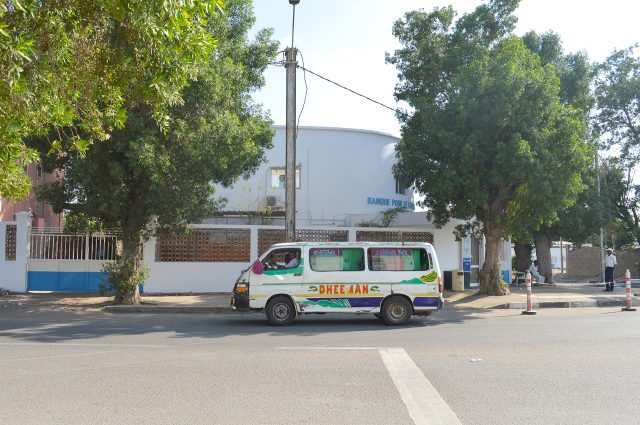
Places on the map
Marker colour follows the categoryClimate and weather
Detailed weather: Djibouti- Average temperature
- 31 °C
- Precipitation per year
- 227 mm
Average air temperature
°C
26
27
28
30
32
35
37
36
34
31
29
27
Jan
Feb
Mar
Apr
May
Jun
Jul
Aug
Sep
Oct
Nov
Dec