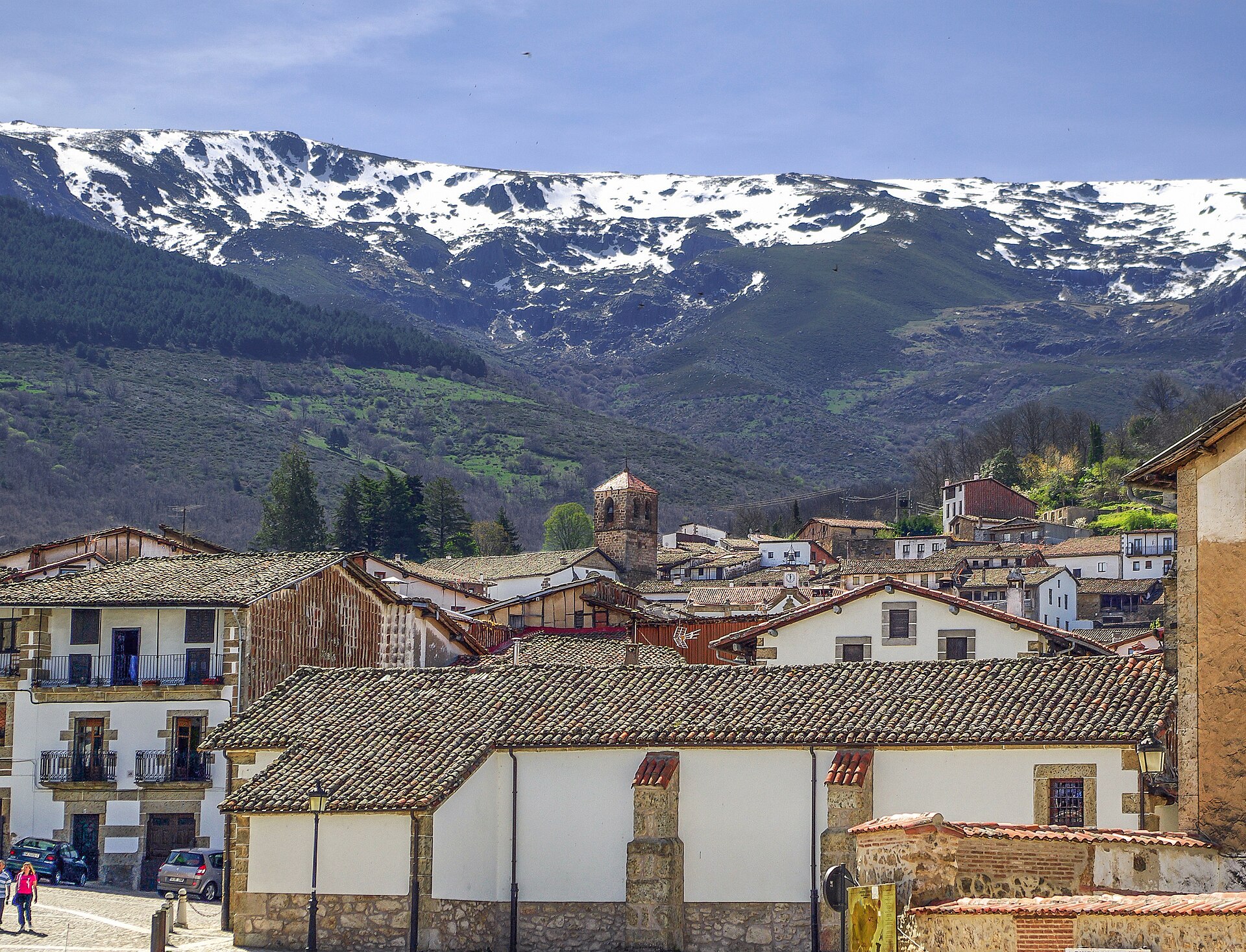
Candelaria Square in Tejeda is one of those rare places where time seems to slow down, as if the world beyond its edges has quietly faded away. Tucked into the heart of Gran Canaria, this small plaza feels far removed from the island’s busier coastal resorts, though they lie just a short drive away. The rhythm here is different—unhurried, almost timeless. The old houses with their sun-bleached walls and wooden balconies, their terracotta roofs weathered by generations, stand as quiet witnesses to the passage of years. The square itself is modest in size, but that only adds to its charm, wrapping visitors in a sense of familiarity, as if you’ve stepped into a place where everyone knows your name.
Tejeda is a town steeped in history, and Candelaria Square is woven into its past. The name honors the Virgin of Candelaria, the patron saint of the Canary Islands, whose presence has been felt here for centuries. At the center of the square stands a small chapel dedicated to her, unassuming yet deeply meaningful to the locals. Built from dark volcanic stone, its walls blend seamlessly with the rugged landscape, while inside, the air is thick with the scent of wax and the murmur of prayers. Though the chapel is small, its role in the community is anything but minor. It’s where baptisms and weddings take place, where religious festivals bring the square to life, turning it into the beating heart of the town.
The architecture of Tejeda, and this square in particular, tells a story without words. The buildings here were crafted from the land itself—volcanic tuff, basalt, and Canarian pine—materials that have shaped the island’s identity. Many facades feature intricate wooden carvings, remnants of a traditional craft that once defined the region. The balconies, with their delicate latticework, are especially striking. In the past, women would sit there, needlework in hand, watching the world go by below. Today, they’re more a nod to history than a daily habit, but they still lend the square its distinctive character, a reminder of how things used to be.
More than just a collection of buildings, Candelaria Square is a living part of Tejeda’s daily life. Mornings begin with locals gathering for fresh bread from the village bakery or coffee at one of the small taverns. Under the shade of century-old trees, elderly men play dominoes while children dart between benches, kicking a ball back and forth. In summer, the square comes alive with impromptu concerts, the air filled with the sounds of traditional Canarian music. When December arrives, strings of lights transform the space into a festive scene, a quiet celebration of the season. What makes the square special is its lack of pretension—it’s a place for the people who call Tejeda home, where everyone belongs.
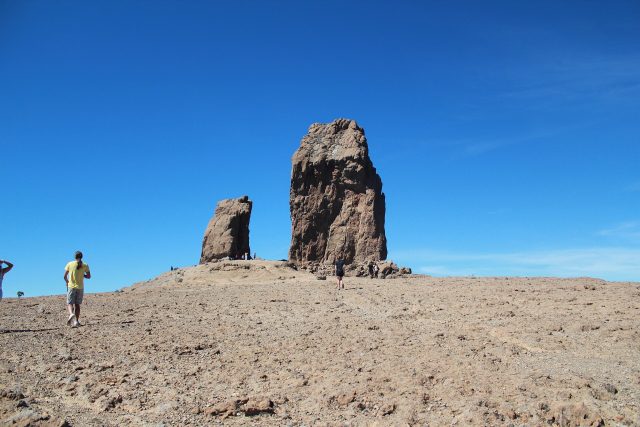
Perched in the island’s mountainous interior, Tejeda is surrounded by dramatic cliffs and deep ravines, and Candelaria Square mirrors that wild beauty. The peaks around it are cloaked in evergreen forests, the air thick with the scent of pine and laurel. From here, the view stretches across the valley to the distant sea, which on clear days feels almost within reach. Locals like to say that Tejeda is where the earth meets the sky, and the square is proof of that. There’s something grounding about sitting on a bench, watching the light shift over the mountains, feeling the weight of the landscape settle around you.
Despite its distance from the usual tourist trails, Tejeda—and Candelaria Square in particular—draws those in search of something real. There are no luxury hotels or crowded restaurants here, just the unfiltered spirit of the Canarian countryside. Visitors who wander this way often leave surprised by how different it feels from the island’s more famous spots. The people, the buildings, even the air—everything here carries the weight of authenticity. The square isn’t a museum; it’s a place that continues to evolve while holding tight to what makes it unique.
If you find yourself in Tejeda, take your time. Stroll across the square, step inside the chapel, linger over a glass of local wine at a tavern where they serve slow-cooked stews and crusty bread. With luck, you might catch a festival in full swing or simply watch the sunset paint the mountains in shades of gold and rose. In moments like these, it’s easy to understand why the people of Tejeda love their town so fiercely. Here, time moves to its own rhythm, and there’s no need to rush. Candelaria Square isn’t just a dot on a map—it’s a piece of the Canary Islands’ soul, waiting to be discovered.