Perched on the edge of the Atlantic, where the ocean’s restless waves meet the black sand of Tenerife’s shore, the Basilica of Candelaria stands as more than just a place of worship. It is the spiritual heart of the Canary Islands, a site that has drawn pilgrims and visitors for centuries, long before the first tourists began arriving with their cameras and guidebooks. The story of this basilica is woven into the very fabric of the islands, tied to a legend that predates the arrival of Christianity in these parts.
According to local tradition, in the 15th century, long before the Spanish set foot on Tenerife, the indigenous Guanche people discovered a wooden statue of the Virgin Mary washed ashore near this very spot. The figure, carved from dark wood, held the Christ Child in her arms, and though the Guanche had their own beliefs, they recognized something sacred in the find. The statue became known as the Virgin of Candelaria, and over time, she evolved into a symbol of unity for the islanders, bridging the old world and the new. The first chapel was built here in the 16th century, a modest structure that could hardly contain the growing devotion of the faithful. As the years passed, larger churches rose in its place, each one struggling to accommodate the ever-increasing number of pilgrims.
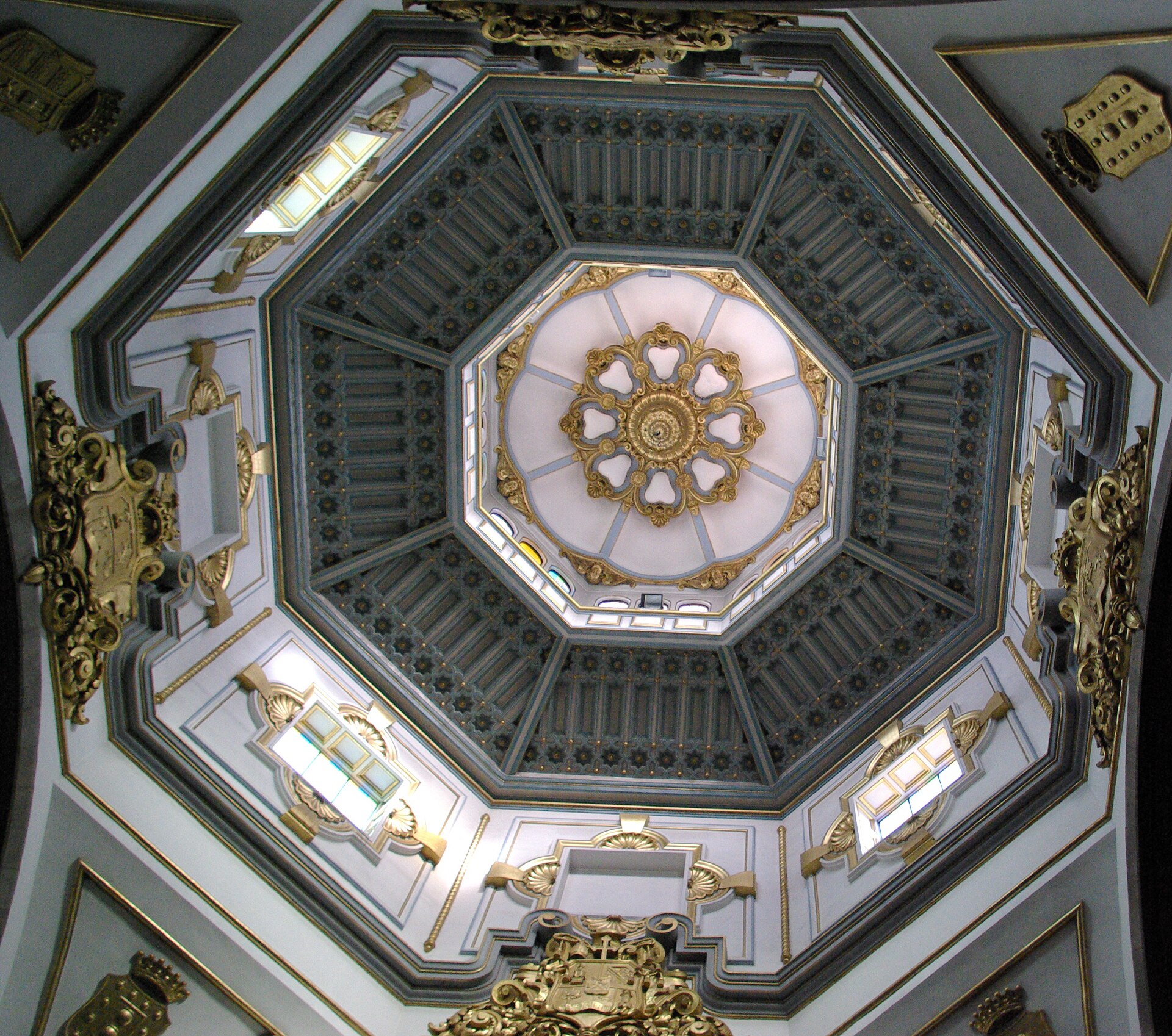
The current basilica, completed in the mid-20th century, was designed to reflect both the solemnity and the grandeur of its significance. Its whitewashed walls rise sharply against the coastal landscape, their clean lines softened by the play of light and shadow. The massive columns and soaring dome give the building a sense of weight and permanence, as if it has always been here, rooted in the earth like the ancient volcanoes that shaped the island. Inside, the high vaulted ceilings create an expansive feel, while stained-glass windows cast a gentle, colored glow over the space. The air is cool and still, a quiet contrast to the wind and salt outside.
At the heart of the basilica is the revered statue of the Virgin of Candelaria, a figure that holds deep meaning not just for Catholics but for many across the Canary Islands, regardless of faith. The statue’s dark wood is smooth with age, its features worn yet expressive, the face of the Virgin and the Child she cradles seeming to watch over those who come to pray. Twice a year, in February and August, the basilica becomes the center of grand religious festivals, drawing thousands who walk for miles to pay their respects. The August celebrations, in particular, are a highlight of Tenerife’s calendar, a vibrant mix of devotion, music, and tradition that spills out from the basilica into the surrounding streets.
The square in front of the basilica is always alive with movement. Pilgrims kneel in prayer, tourists snap photos, and locals pause for a moment of quiet reflection before continuing on their way. Around the edges of the square stand nine bronze statues of the Guanche menceyes, the ancient kings who once ruled Tenerife. Their stern, proud figures serve as a reminder of the island’s pre-Hispanic past, a time when these shores were home to a people whose culture and beliefs were nearly erased by conquest. The contrast between the basilica’s Christian symbolism and the Guanche statues is striking, yet somehow fitting—this is a place where different histories coexist, where the past is not forgotten but woven into the present.
Beyond its religious role, the Basilica of Candelaria is a cultural landmark, a space where the island’s heritage is celebrated in many forms. Concerts of sacred music echo through its halls, exhibitions explore the history of the Canary Islands, and even secular events find a home here. The basilica is open to all, whether you come seeking solace, inspiration, or simply a moment of beauty. Inside, the walls are adorned with works by local artists, ancient icons, and religious artifacts that tell the story of devotion spanning centuries. Each piece, from the smallest candle to the grandest painting, carries a sense of continuity, a thread connecting the past to the present.
For many on Tenerife, the basilica is more than a building—it is a place of refuge. People come here in times of joy and sorrow, to light a candle, to sit in silence, or to gaze out at the ocean and feel the weight of their thoughts lift, if only for a moment. Even those who do not consider themselves religious often find themselves lingering, drawn by the quiet power of the place. The ocean is never far away, its presence a constant hum beneath the prayers and footsteps. The salt in the air, the cry of gulls, the endless blue stretching to the horizon—all of it becomes part of the experience, a backdrop to the quiet drama of faith and history unfolding within the basilica’s walls.
If you climb the steps to the viewpoint near the basilica, the view is breathtaking. On clear days, the ocean seems to dissolve into the sky, and in the distance, the outlines of neighboring islands emerge like mirages. It’s a place to pause, to take in the scale of the landscape—the vastness of the sea, the ruggedness of the mountains, the way the basilica sits at the center of it all, a quiet anchor in a world of constant motion. There is no rush here, no agenda, just the wind and the sun and the occasional cry of a gull breaking the silence.
The Basilica of Candelaria is not a static monument but a living part of Tenerife’s story. It changes with the years, adapting to the needs of those who visit and the evolving identity of the island. New elements are added—a restored facade, an installation honoring Guanche heritage—each one a layer in the ongoing narrative of this place. It is a church, a museum, a gathering space, and a symbol all at once. To stand here is to understand that the basilica is more than stone and mortar; it is a keeper of memories, a bridge between generations, and a reminder that some places carry a significance far beyond their physical form.