The Caldera de Tejeda is where the land itself tells a story of ancient forces that shaped Gran Canaria. This vast volcanic depression, ringed by sheer rocky walls, feels as though the earth split open millions of years ago, leaving behind a vast, quiet bowl steeped in grandeur. Unlike the bustling tourist hubs of the island’s south, this place carries an untouched quality, as if time has slowed just enough to let you feel the raw power of the natural world.
Geologically, the caldera’s origins stretch back to a time when Gran Canaria was still taking shape. Around thirteen million years ago, a series of violent eruptions caused the volcanic cone to collapse, forming a basin nearly fifteen kilometers across. Today, its slopes are layered with hardened lava, ash, and tuff, creating intricate patterns in the rock. The stone here shifts in color—ochre, red, and gray—depending on the light, especially at sunset, when the low sun casts an almost otherworldly glow across the landscape.
But the caldera is more than a geological wonder; it’s woven into the island’s cultural fabric. For the indigenous Guanche people, this was sacred ground. They called it *Tirajana* and believed it was home to the spirits of their ancestors. Archaeological finds in the area confirm human presence dating back centuries—stone dwellings, petroglyphs, and ritual sites suggest the caldera was not just a source of sustenance but a spiritual center. Even now, hiking its trails, you might stumble upon remnants of old terraces where grain and grapes were once cultivated.
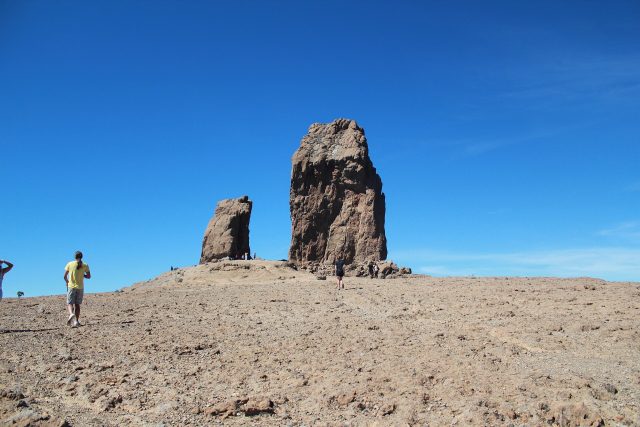
From the viewpoints along the caldera’s edge, the panorama is enough to make the rest of the world fade away. On clear days, the view stretches across nearly the entire island, from the green valleys of the north to the golden dunes of Maspalomas in the south. Most striking is the sight of Roque Nublo, Gran Canaria’s iconic rock formation, standing sentinel over the caldera like a relic of ancient times. In spring and autumn, wildflowers carpet the slopes, while in winter, a rare dusting of snow can transform the scene into something almost surreal for these latitudes.
Hiking the caldera’s trails is a chance to step into a world where nature sets the pace. The most popular route leads from Tejeda to the Degaña viewpoint, offering sweeping views of the basin below. The path winds through Canarian pine forests, their resin-scented trunks and rustling needles underfoot. Along the way, small springs provide fresh water, and wild goats occasionally appear, unfazed by the few travelers who pass by. For those drawn to history, the trail to the Cuevas del Relicario archaeological site reveals ancient rock carvings, faint but still visible after centuries.
Tejeda, the village closest to the caldera, feels suspended in time. Whitewashed houses with terracotta roofs line narrow streets where two cars can barely pass. The central square is anchored by a church, and life here moves at a slower rhythm, shaped by farming and traditional crafts. In the local cafés, you can try *papas arrugadas*—wrinkled potatoes served with spicy mojo sauce—alongside goat cheese and wine made from grapes grown on the caldera’s slopes. As evening falls, the village grows quiet, the only sound the occasional chime of the church bells.
The Caldera de Tejeda isn’t a place you can rush through in an hour or two. It demands that you pause, listen to the wind, and really look at the lines of the mountains. This landscape wasn’t made for tourists; it exists on its own terms, indifferent to admiration or distraction. That’s its greatest strength—it doesn’t try to impress, it simply is, a reminder of how fragile and yet how enduring the natural world can be. For those who seek more than just scenery, who want a real connection to the land, the caldera becomes a place worth returning to, again and again.