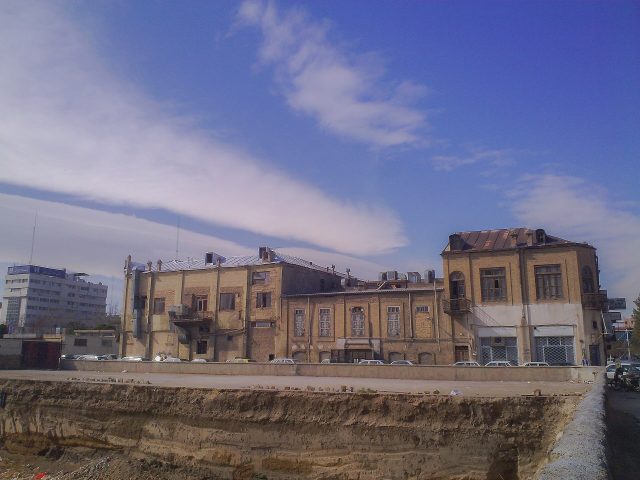
Imam Khomeini Square in Mashhad is one of those places where the past and present exist side by side so naturally that time itself seems to move differently here. It isn’t just the city’s central square—it’s the pulse of Mashhad’s spiritual and public life, the kind of place where everything that makes the city unique converges. The square is always alive with movement: pilgrims hurrying toward the shrine of Imam Reza, locals going about their daily routines, and travelers trying to grasp what makes this one of Iran’s most significant cities.
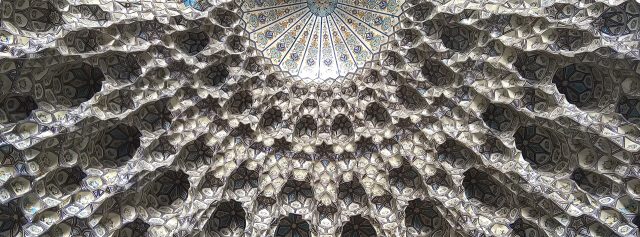
The architecture of the square tells a story of layers, where Islamic traditions blend with modern urban design. Wide pedestrian walkways, framed by low-rise buildings with arched facades and intricate tilework, create a sense of openness despite the density of the surroundings. At its heart stands a fountain, a gathering spot for families in the warmer months and a stage for street musicians in the evenings. When night falls, the square transforms under soft lighting that highlights the delicate patterns of the mosaics and domes, giving it an almost dreamlike quality.
The history of Imam Khomeini Square is tied to Mashhad’s evolution as a religious center. It emerged in the mid-20th century as the city expanded beyond the old core surrounding the shrine. The square was part of a larger effort to organize the city’s growth and accommodate the steady flow of pilgrims. Over time, it became more than just a transit hub—it turned into a space where the city’s many threads intersect. Festivals, protests, religious ceremonies, and casual gatherings all find their place here, making it a reflection of Mashhad’s dynamic life.
For Iranians, the square is first and foremost the gateway to the sacred complex of Imam Reza’s shrine, the eighth Shia imam, whose tomb draws millions of believers from across the world. But even those who visit as travelers, rather than pilgrims, sense the square’s unique atmosphere. There’s no touristy hustle here, just an authenticity that feels rare in other cities. People aren’t performing for an audience; they’re simply living—sipping tea in small cafes, bargaining at the markets, or chatting on benches.
Surrounding the square are some of Mashhad’s most important landmarks. A short walk away lies the Reza Bazaar, one of the city’s oldest markets, where stalls overflow with spices, dried fruits, handwoven carpets, and jewelry. Nearby, mosques, madrasas, and museums offer glimpses into the history and culture of Khorasan. Among them, the Quran Museum stands out, housing rare manuscripts of the holy book, some dating back to the Middle Ages.
The square changes with the seasons and the time of day. Summers are scorching, and the midday heat drives most activity indoors until evening brings relief. In winter, a light dusting of snow softens the city’s edges, making the shrine’s domes and minarets appear even more majestic against the gray sky. During religious holidays like Ashura or Ramadan, the square becomes a vast stage for processions, prayers, and poetry recitals, filling the air with a sense of collective devotion.
Despite its religious importance, Imam Khomeini Square isn’t just a place for the faithful. It’s where different facets of Iranian life coexist side by side—women in chadors walking alongside young girls in fashionable dresses, traditional shops sharing space with modern boutiques. Cafes and restaurants serve everything from classic dishes like ash reshteh and kebabs to familiar fast food and coffee. The square blurs the line between the sacred and the everyday, making it a fascinating place for those who want to understand Iran beyond guidebooks.
Stepping into Imam Khomeini Square, it’s easy to forget that Mashhad is often seen as one of Iran’s more insular cities. There’s no forced hospitality here, no tourist traps—just a quiet warmth that reveals itself in small gestures. A stranger might invite you for tea, offer directions, or simply strike up a conversation. Mashhad doesn’t try to impress; it simply is. And for those open to it, the city leaves an impression far deeper than any photograph could capture. It’s a place that makes you think about how faith and daily life intertwine, and Imam Khomeini Square is where that connection feels most tangible.