The Shrine of Imam Reza is more than just a monument—it is the very heart of Mashhad, a city that has drawn millions of pilgrims and travelers seeking spiritual solace. Nestled in northeastern Iran, this vast complex marks the resting place of Ali ibn Musa al-Rida, the eighth Shia Imam, whose death in the ninth century transformed the site into one of the most revered sanctuaries in the Islamic world. Over centuries, the shrine has grown far beyond its original purpose, absorbing layers of history, culture, and devotion. It stands as a testament to the region’s shifting fortunes, shaped by empires, faith, and the enduring human need for connection.
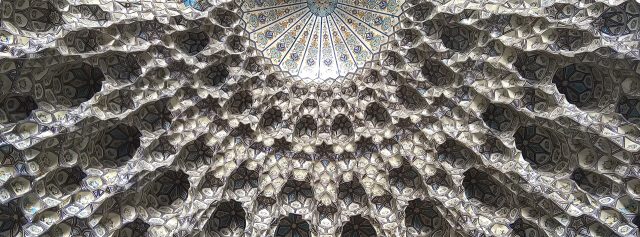
The architecture of the shrine reads like a chronicle carved in stone and tile. The earliest structures appeared soon after the Imam’s death, but what visitors see today is the result of countless expansions, destructions, and restorations. The central golden dome, rising above the city’s skyline, has become Mashhad’s defining symbol. Beneath it lies the tomb, encircled by vast courtyards where, at any hour, pilgrims pray, recite the Quran, or sit in quiet reflection. The interiors are adorned with intricate tilework, calligraphic inscriptions, and mirrored mosaics that play with light and shadow. One chamber, in particular, leaves a lasting impression—its walls and ceiling covered in thousands of tiny mirrors, creating the illusion of infinite space, as if the room itself dissolves into radiance.
The shrine’s history is inseparable from that of Iran itself. Across the centuries, it has witnessed periods of prosperity and decline, serving as both a sacred site and a target for invaders. The Mongols, who ravaged much of Persia, spared Mashhad, and later, the Safavids elevated it to the center of Shia pilgrimage, lavishing the complex with ornate embellishments. In the 18th century, Nader Shah, who made Mashhad his imperial capital, expanded the shrine, adding a library and museum to house rare manuscripts and gifts from rulers. Every stone here carries the weight of those who have come before—those who sought comfort, inspiration, or simply a moment of grace.
For Shia Muslims, the Shrine of Imam Reza is the third holiest site after Mecca and Medina. Pilgrims from across the world flock here, especially during religious festivals, when the courtyards overflow with worshippers in vibrant attire, prayers fill the air, and the scent of incense lingers. Yet even on ordinary days, the atmosphere is one of quiet reverence. The stillness is broken only by the rustle of Quranic pages or the murmur of conversation, creating a sense of peace that feels timeless. Many come not just to pray but to sit beneath the shade of ancient trees, watching life unfold at its own unhurried pace.
The shrine is far more than a tomb—it is a city within a city. Within its walls, a madrasa trains future scholars, a hospital tends to pilgrims, and guesthouses offer them shelter. Surrounding the sacred precincts, a bustling bazaar sells everything from souvenirs bearing the dome’s image to sweets traditionally distributed in the Imam’s memory. The museum, a treasure trove of history, displays gifts from rulers and devotees: antique carpets, jewelry, weapons, and illuminated manuscripts. Each artifact tells a story, whether it’s a sword gifted by Nader Shah or a Quran inscribed in gold.
Visiting the shrine is like stepping into a world where time moves differently. There is no rush here, no modern clamor—only the rhythm of rituals and tradition. Mornings begin with the first light touching the golden dome, as courtyards fill with worshippers. By evening, as the heat subsides, pilgrims gather for communal prayers. Even those who do not share the Shia faith often find themselves moved by the atmosphere. It invites reflection on the enduring nature of memory, on the fragile yet unbreakable bonds that tie generations together, and on how something as solid as stone can hold so much meaning.
Beyond its religious significance, the Shrine of Imam Reza is woven into Iran’s cultural identity. It is a place where history, art, and faith intertwine, creating something far greater than the sum of its parts. For some, it is a sacred duty; for others, an architectural marvel; for many, simply a quiet refuge from the noise of the world. Yet no matter how visitors perceive it, the shrine remains a living witness to the past, one that continues to shape the present in ways both seen and unseen.