Goharshad Mosque stands as one of those rare places in Mashhad where history isn’t just preserved in stone—it breathes, hums, and lingers in the air. Commissioned in the early 15th century by Goharshad Begum, the influential wife of the Timurid ruler Shah Rukh, the mosque wasn’t merely an architectural marvel but a symbol of the cultural flourishing of its time. Mashhad was already a significant religious center, yet this mosque elevated its status, drawing not only Shiite pilgrims but anyone with an appreciation for art and history. It became a place where devotion and creativity intertwined, leaving a mark that endures centuries later.
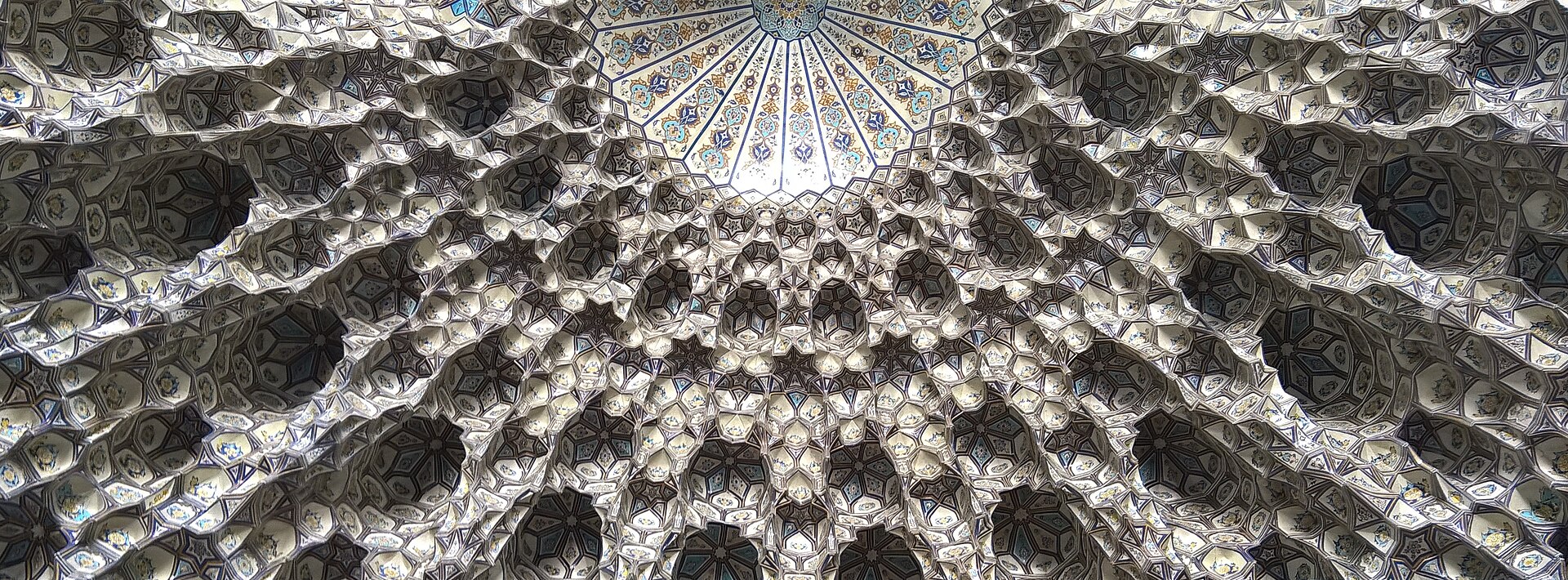
The mosque’s architecture is striking, even for those familiar with the grandeur of the East. The main portal, adorned with intricate tilework and calligraphic inscriptions, greets visitors like an ancient manuscript where every swirl of the pen tells part of a larger story. Stepping into the courtyard, surrounded by arcades, feels like entering a jewel box—towering minarets, domes glazed in turquoise, and walls painted with floral motifs create a sense of harmony and tranquility. The winter prayer hall, with its massive columns and vaulted ceilings, is particularly impressive. Even on the hottest days, the space remains cool, as if time itself slows down within its walls.
Goharshad Mosque is deeply connected to the shrine complex of Imam Reza, the eighth Shiite Imam, whose tomb draws millions of pilgrims each year. Yet even those who visit for non-religious reasons find themselves moved by the atmosphere. The mosque carries the weight of history in every detail—from the prayer rugs worn by countless worshippers to the echoes of Quranic recitations bouncing beneath the domes. In the early morning, when sunlight first touches the turquoise domes and the scent of incense and tea fills the air, the mosque feels alive, as if awakening alongside the city.
Over the centuries, the mosque has weathered its share of trials. In the 16th century, it suffered damage during conflicts between the Safavids and Uzbeks, only to be restored later under Shah Abbas the Great. Another restoration in the 20th century aimed to preserve its original character, though modern touches, like the illumination of the domes at night, lend it a near-magical quality without detracting from its historical essence. Locals say that if you watch the tiles under different lighting, the turquoise shifts from soft sky blue to deep sea green, revealing the craftsmanship of the artisans who designed them.
For many Iranians, Goharshad Mosque is more than a landmark—it’s a cornerstone of national identity. It embodies the golden age of Timurid art, when Khorasan was home to master calligraphers, miniature painters, and architects. Some of their names have survived, like Qavam al-Din Shirazi, who designed the mosque, or the renowned calligrapher Mir Ali Tabrizi, whose inscriptions adorn its walls. Even without knowing their stories, the patterns and motifs speak of a deep understanding of symbolism, where every line and color carries meaning.
Today, the mosque remains an active place of worship, which shapes its atmosphere. There’s no tourist hustle here—pilgrims pray, read the Quran, or simply sit in quiet reflection, enjoying the cool shade of the courtyard. While the mosque is open to visitors, there are customs to observe: women should cover their heads and shoulders, and men should avoid shorts. Inside, loud conversations and photography during prayers are discouraged, but in quieter moments, it’s possible to explore at leisure, even sitting on one of the benches to watch the rhythms of this sacred space unfold.
Mashhad is a city where tradition and modernity coexist, and Goharshad Mosque is one of the few places where this blend feels tangible. It isn’t isolated from the city’s life but woven into it—nearby bazaars buzz with activity, vendors sell spices and sweets, and in the evenings, locals stroll through the mosque’s courtyard as if it were a park. That’s perhaps its greatest charm: it isn’t a museum piece but a living entity, evolving alongside the city and its people. Even for those who don’t share its faith, the mosque offers a quiet sense of connection to something enduring.