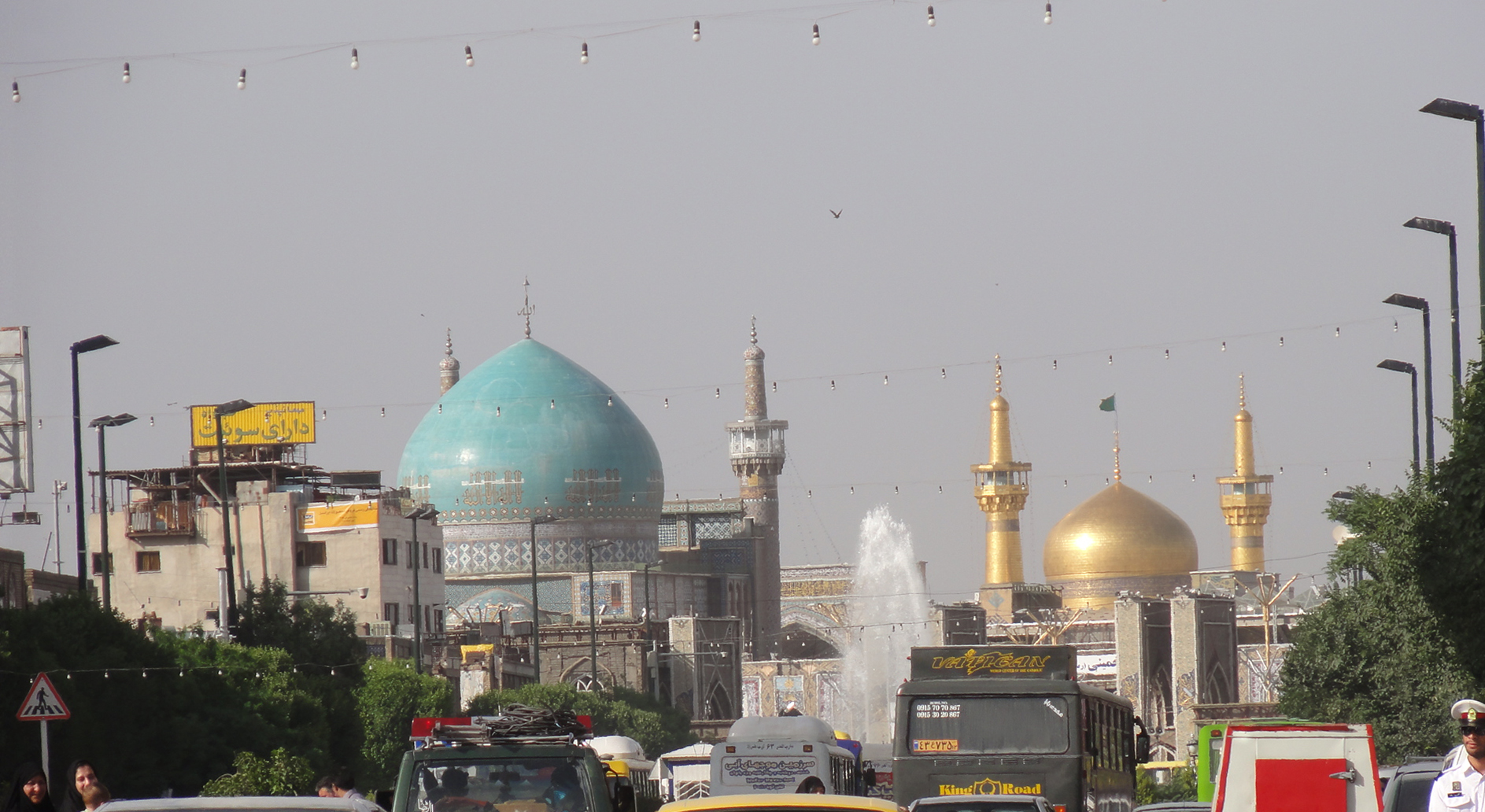
Mashhad is a city that, for many Iranians, begins and ends at the threshold of the Imam Reza shrine. Yet even here, in the shadow of its towering golden domes, there’s a place where life pulses with an energy that has little to do with reverence or grandeur. The Reza Bazaar isn’t just a market—it’s a living organism, woven from centuries of trade, craftsmanship, and the quiet rhythms of daily life. Stretching eastward from the shrine, it feels like an extension of the sacred space, though here the currency isn’t prayer but the clink of coins, the scent of spices, and the art of the deal.
The bazaar’s origins trace back to the early days of Mashhad’s rise as a religious center. Pilgrims flocked to the city, and with them came merchants, artisans, and those seeking livelihoods. The market grew organically, absorbing shops and workshops that catered to both locals and visitors. Over time, it developed its own structure—narrow, vaulted galleries where the midday heat softens into shade, and where flickering lanterns cast long shadows on sunbaked brick walls at dusk. Unlike the orderly arcades of European markets, the Reza Bazaar follows its own logic, where every turn might lead to something unexpected.
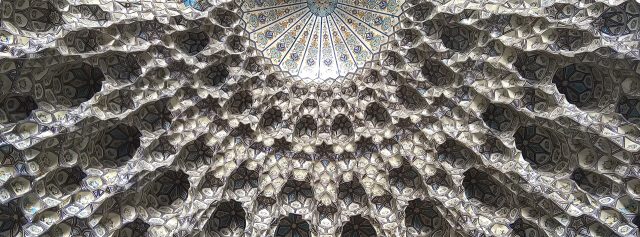
There are no grand architectural plans here, no celebrated designers—just practicality and tradition. The vaults, supported by sturdy columns, are built from the same brick as the city’s mosques, though without their ornate flourishes. The design serves a single purpose: to create a space sheltered from heat, rain, or dust storms, while still feeling open and alive. In places, small openings in the ceiling let in slivers of light, painting shifting patterns on the floor below. These patches of sunlight move slowly throughout the day, a quiet reminder of time’s unhurried passage.
What sets the Reza Bazaar apart from other Iranian markets is its deep connection to pilgrimage. Here, you’ll find not just everyday goods but everything a devout visitor might need: prayer beads carved from olive wood or jade, prayer rugs embroidered with verses, vials of rosewater from Kashan, and miniature Qurans bound in velvet. Yet the bazaar isn’t solely a place of piety. Alongside these sacred items, you’ll discover sweets like gaz and sohan, modern electronics imported from China or Turkey, and everything in between. The merchants strike a careful balance, offering something for every taste and budget, whether spiritual or mundane.
The atmosphere is a blend of bustle and calm. Mornings begin early, with vendors arranging their wares and shoppers drifting through the aisles, bargaining and browsing. By midday, the bazaar hums with voices—hawkers calling out, the rhythmic clink of metalworkers repairing copper pots, the murmur of negotiations. Yet even at its busiest, there’s no sense of chaos. Everyone has a role: some sell, some buy, others simply watch, sipping tea from small glasses. There’s a soothing rhythm to it, as if time moves differently here, governed by the ebb and flow of human activity rather than the clock.
Artisans hold a special place in the bazaar’s ecosystem. In small workshops tucked between the stalls, masters still practice crafts passed down through generations. You might see filigree jewelry being made, ceramics painted by hand, or carpets woven on looms. Some of these traditions date back centuries, and the bazaar is one of the few places where they survive not as museum pieces but as living skills. Often, a workshop blends seamlessly with a shop—customers can commission a piece and watch it take shape before their eyes. This hands-on connection gives the bazaar a warmth that goes beyond commerce, making it a vital part of the city’s cultural fabric.
Food is another story entirely. There are no formal restaurants here, just countless tiny eateries and tea stalls where you can grab a quick bite. The most popular dish is ash, a hearty soup of herbs, beans, and noodles, ladled out steaming into bowls and served with a dollop of tangy yogurt and flatbread. Kebabs sizzle over charcoal grills, filling the air with the scent of spiced meat. For lighter fare, there are fresh fruits, dried apricots, and nuts sold by the handful. On scorching days, the sweet, icy sherbet—a drink made from fruit syrups—offers welcome relief.
The Reza Bazaar is where different worlds intersect. Pilgrims from remote villages rub shoulders with city dwellers running errands, while curious travelers wander in search of something authentic. Each finds what they’re looking for: some seek spiritual comfort, others a way to make a living, and a few simply a slice of unfiltered life. The bazaar doesn’t adapt for outsiders—it operates on its own terms, and that’s precisely what makes it so compelling.
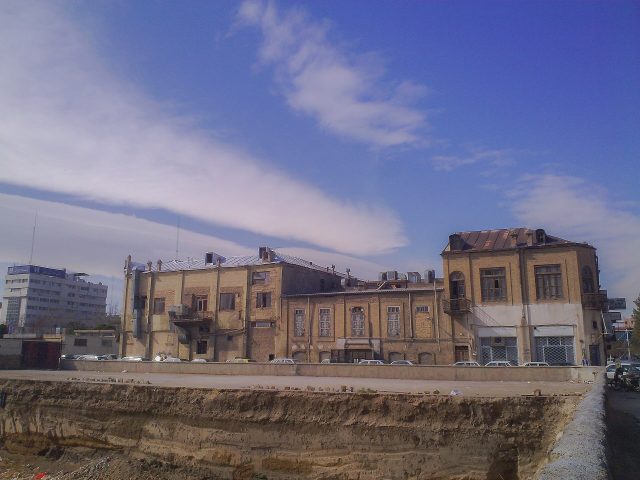
Mashhad has changed dramatically in recent decades, with modern hotels and shopping malls sprouting around the shrine. Yet the Reza Bazaar remains a pocket of the past, where time seems to stand still. New goods and sales techniques have crept in, but the essence endures. This is a place where you can feel the pulse of the real Iran—not the polished version meant for tourists, but the one that exists beyond guidebooks and postcards. There’s nothing staged here, just the raw, unfiltered reality of sounds, smells, and people. That’s why the bazaar never loses its allure, remaining one of Mashhad’s most captivating spaces.