Kolomna’s Ploshchad Dvukh Revolyutsiy, or Two Revolutions Square, is one of those places where history doesn’t just linger in the past—it feels alive. Tucked in the heart of the city, where ancient streets once carried the pulse of trade and daily life, the square is a quiet crossroads of eras. Medieval fortresses, 19th-century merchant prosperity, and Soviet pragmatism all converge here, though the name itself—a nod to the upheavals of 1917—only hints at a fraction of its story.
The square’s architecture tells the rest. Dominating one side is the Uspensky Cathedral, its white stone walls and golden domes rising with the same solemn grace they’ve held since the late 1600s. Built in the Baroque style, the cathedral has been rebuilt over centuries, yet its grandeur remains untouched, as if time itself hesitated to alter it. Beside it, the bell tower stretches skyward in tiers, its bells once ringing out warnings of fires or invasions. Even now, the structure feels like a guardian of the city’s past.
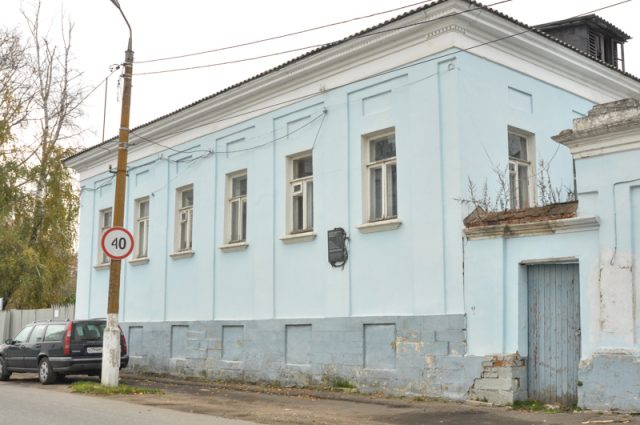
Across the square stands the former Noble Assembly Hall, a neoclassical building with columns and intricate stucco work. In its heyday, it hosted balls and gatherings of Kolomna’s elite. Today, it houses a museum, but the building still carries the weight of its history, its halls echoing with the whispers of long-ago conversations. Nearby, Soviet-era administrative buildings blend into the scene, their utilitarian lines softened by the older architecture around them.
The square wasn’t always called Two Revolutions. Before 1917, it was known as Sobornaya Square, named after the cathedral that anchored it. Back then, it was a bustling hub of commerce—merchants setting up stalls, farmers bringing goods from the countryside, and townspeople gathering to trade news or gossip. The name change after the revolution was more symbolic than literal; Kolomna wasn’t a hotspot of revolutionary fervor, but the new title stuck, becoming part of the city’s identity.
What makes this square special is that it was never just a ceremonial space. It was always alive, adapting to the rhythms of the city. In Soviet times, it hosted May Day parades and Victory Day rallies, with temporary stages erected for speeches and celebrations. On ordinary days, it was a place for everyday life—elders playing chess on benches, children kicking soccer balls, couples meeting by the fountain that once stood in the center.
Nowadays, Two Revolutions Square remains one of Kolomna’s liveliest spots. Festivals, open-air concerts, and seasonal fairs fill the space with energy. In summer, flowerbeds brighten the cobblestones; in winter, a towering New Year’s tree takes center stage. Even when the square is quiet, it doesn’t feel empty. The stones underfoot, the weathered facades of the buildings—they all seem to hold stories, as if the past is still breathing just beneath the surface.
Walking here, it’s hard not to wonder about the countless lives that have crossed this space. Merchants and artisans, soldiers and officials, revolutionaries and ordinary citizens—each left their mark in some small way. Kolomna may not have been at the center of Russia’s grand historical dramas, but places like this square are what make it feel real. The past isn’t just remembered here; it’s still part of the air, the light, the very ground beneath your feet.