Zhongshan Square in Hualien isn’t just an open space in the heart of the city—it’s where the past and present of eastern Taiwan quietly come together. Unlike the crowded plazas of Taipei or Kaohsiung, this place feels lived-in, not staged. Mornings here belong to locals practicing tai chi, their slow movements blending with the rustle of leaves. By afternoon, students gather after school, while older residents settle under the shade of sprawling trees for games of mahjong. The square breathes with the city, shifting from quiet routines to bursts of energy when festivals or impromptu markets take over.
The architecture around the square tells a story of Hualien’s mid-20th century growth, when the city was becoming a key transport and trade hub. Low-rise buildings in a functional, unpretentious style line the edges, their facades softened by time. Small shops sell everything from tropical fruit to bargain clothes, while tiny cafés serve strong Taiwanese coffee and traditional sweets. The most striking structure is the municipal building, constructed in the 1960s with its symmetrical windows and columned entrance—a relic of an era when Taiwan was asserting its stability amid rapid change.
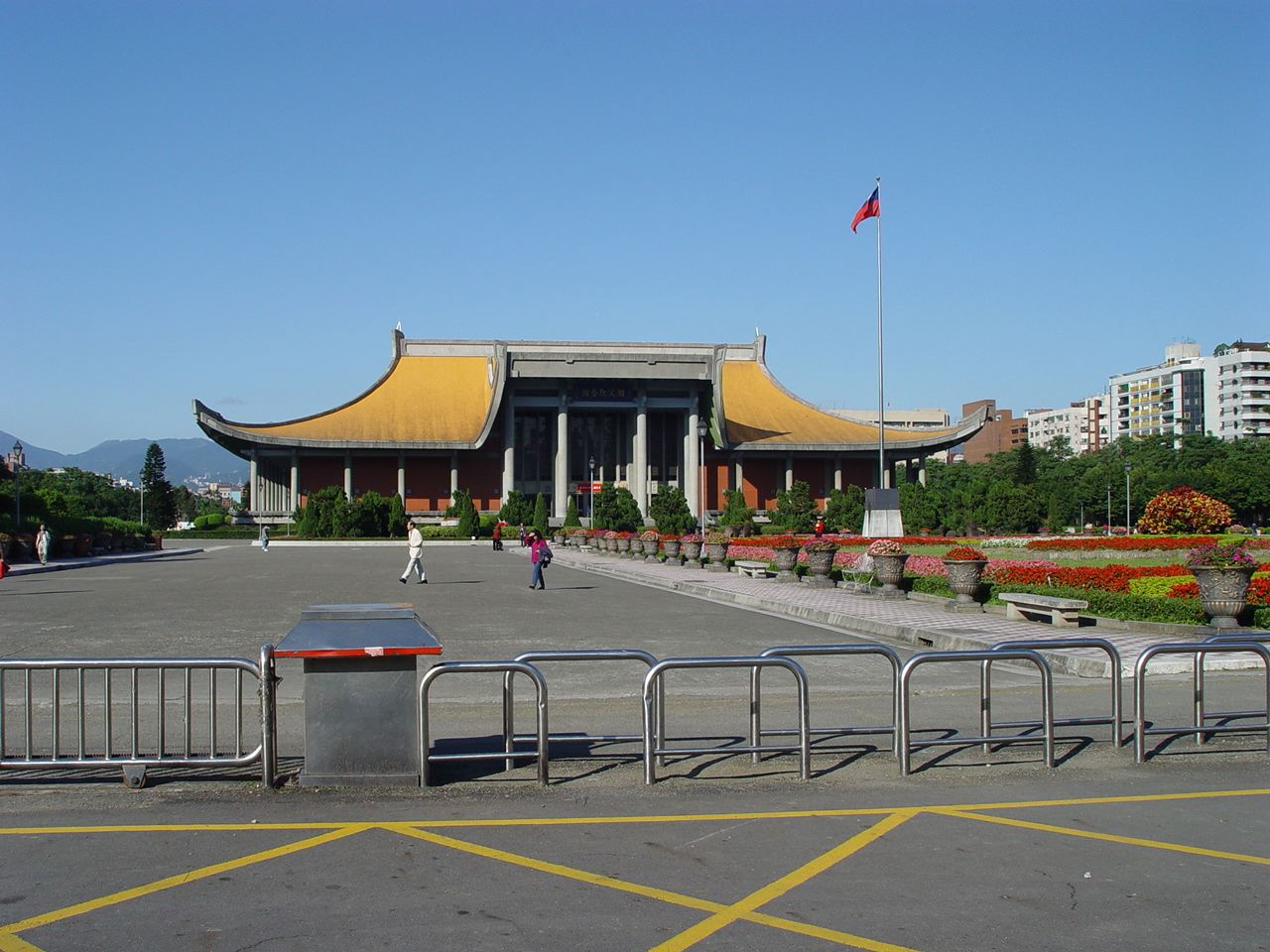
The square takes its name from Sun Yat-sen, the founding father of the Republic of China, though you won’t find a grand statue of him here. Instead, his legacy is woven into the fabric of the city in subtler ways: street names, schools, and public institutions all bear his imprint. In Hualien, as in much of Taiwan, Sun represents more than revolutionary ideals—he’s a symbol of unity, a figure whose memory lingers in daily life rather than in bronze or marble.
Hualien itself is often overlooked by travelers drawn to Taiwan’s more famous destinations, and Zhongshan Square reflects the city’s understated charm. There are no luxury hotels or high-end restaurants here, just the quiet rhythm of local life. In the morning, the scent of fresh pastries drifts from nearby bakeries. By midday, the square hums with conversation and laughter, while evenings bring families out under the glow of streetlights. On weekends, it might host a spontaneous concert or dance performance, turning the space into a stage for local talent.
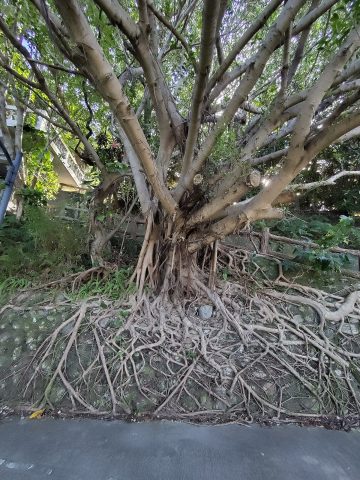
One of the square’s greatest strengths is its location, just a short walk from Hualien’s main train station. It’s easily accessible but never feels like a thoroughfare. Instead, it serves as a crossroads, a place where different paths converge. From here, you can stroll along the Meilun River, wander through the night market, or explore the older streets of the city. The surrounding greenery—palm trees, banyans, and flowering shrubs—softens the urban landscape, making the square feel like an oasis in the middle of town.
For visitors who come to Hualien for more than just Taroko National Park’s dramatic gorges, Zhongshan Square offers a glimpse into the city’s unhurried pace. Locals treat it like an extension of their homes, a place to sip tea, chat with neighbors, or simply watch the seasons change. There’s no pressure to perform or impress here—just the quiet satisfaction of being part of the everyday.
Occasionally, the square becomes a stage for political gatherings or protests, a reminder that Hualien, like the rest of Taiwan, exists in a complex historical and geopolitical context. Even then, the atmosphere remains calm, as if the city’s resilience has seeped into the very stones of the plaza. Hualien has weathered Japanese colonization, industrialization, earthquakes, and economic shifts, yet it has never lost its identity. Zhongshan Square is a reflection of that endurance—a place that doesn’t try to be anything other than what it is: a quiet, steadfast heart of eastern Taiwan.