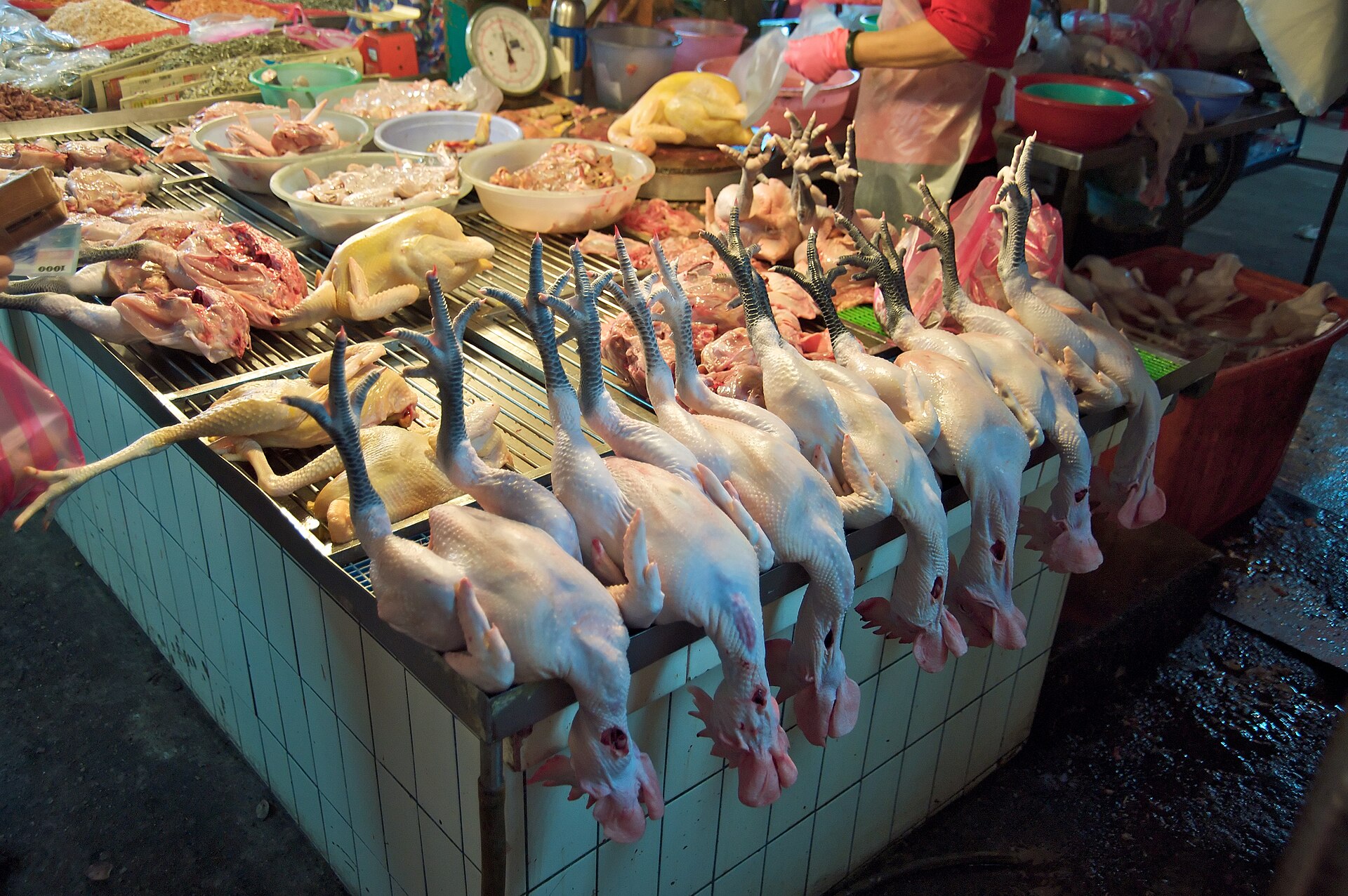
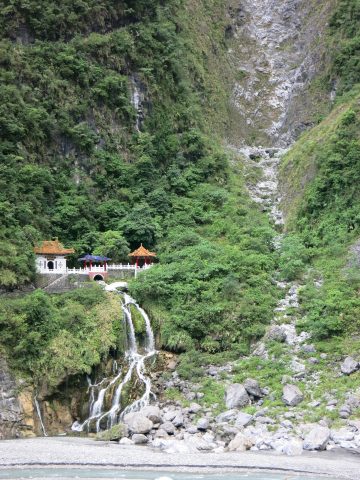
Hualien’s night market doesn’t bother with theatrics. No neon signs, no tourist crowds posing for photos, no vendors hawking souvenirs. It’s simply life unfolding under strings of bare bulbs—people cooking, selling, eating, talking as if each night might be the last. This isn’t a performance. It’s the city’s heartbeat, raw and unfiltered.
Hualien stands apart from Taiwan’s urban giants. Wedged between mountains and the Pacific, far from Taipei’s skyline or Kaohsiung’s port, it refuses to hurry. No towering buildings, no packed sidewalks, no rush. The city exhales, and the night market follows suit. It doesn’t demand attention. It just is—like a neighbor’s porch you can visit without warning.
The market spreads across a handful of downtown blocks, indistinguishable from ordinary streets by daylight. No barriers, no entry fees. As dusk settles, stalls spill onto sidewalks, and the air grows thick with smoke from grills, the tang of spices, the yeasty scent of dough. By nine, the streets swell with people drifting between stands, pausing to taste, to talk. No one’s in a hurry. No one’s jostling for space. The point isn’t to reach the end—it’s to linger.
Food draws the crowds, but not because there’s nothing else to do. It’s the way it’s made. Taiwan’s night markets are legendary, yet Hualien’s feels stripped of pretense. No elaborate presentations, no ingredients that need translating. Just food, cooked simply and well. Crispy batter clinging to grilled oysters. Pork ribs lacquered with sweet sauce. Rice cakes stuffed with meat and vegetables, so tender they dissolve on your tongue. Everything’s prepared in front of you, on portable grills or woks, the aromas curling through the air like an open invitation.
Some dishes are local, unique to this stretch of coast. Ziweigao, a steamed rice cake with black sesame, arrives too hot to hold. Danzimian, thick noodles with duck egg and pork, is ladled straight from simmering pots. Even familiar baifen—rice dumplings wrapped in lotus leaves—taste richer here. Maybe it’s the lack of shortcuts: no freezers, no reheating. You eat it moments after it’s made, still warm from the stove.
The market isn’t just about eating. Tables sag under piles of cheap clothes, handmade trinkets, bundles of mountain herbs. Vendors display their goods on folding tables or blankets spread across the pavement. A stack of old vinyl records. A wooden carving. A crate of ripe mangoes. Prices are low, and no one expects haggling. If you want it, you pay. That’s all.
What makes it different is the lack of divides. No tourists here, no locals there—just people navigating the same narrow lanes, balancing bowls on the same wobbly sidewalk tables, sipping tea from the same shared flasks. Students, families, elderly couples pausing to watch the crowd. Strangers share tables, passing plates back and forth because that’s how it works. Questions come easily: What’s this? How do you eat it? Where are you from? No one minds the interruption.
Hualien’s night market doesn’t care about being the biggest or the most famous. It doesn’t need to be. It’s a place where people come to eat, to wander, to listen to the murmur of voices and the sizzle of food. No filters, no poses. Just the rhythm of the city, slow and steady, like the river that cuts through it.