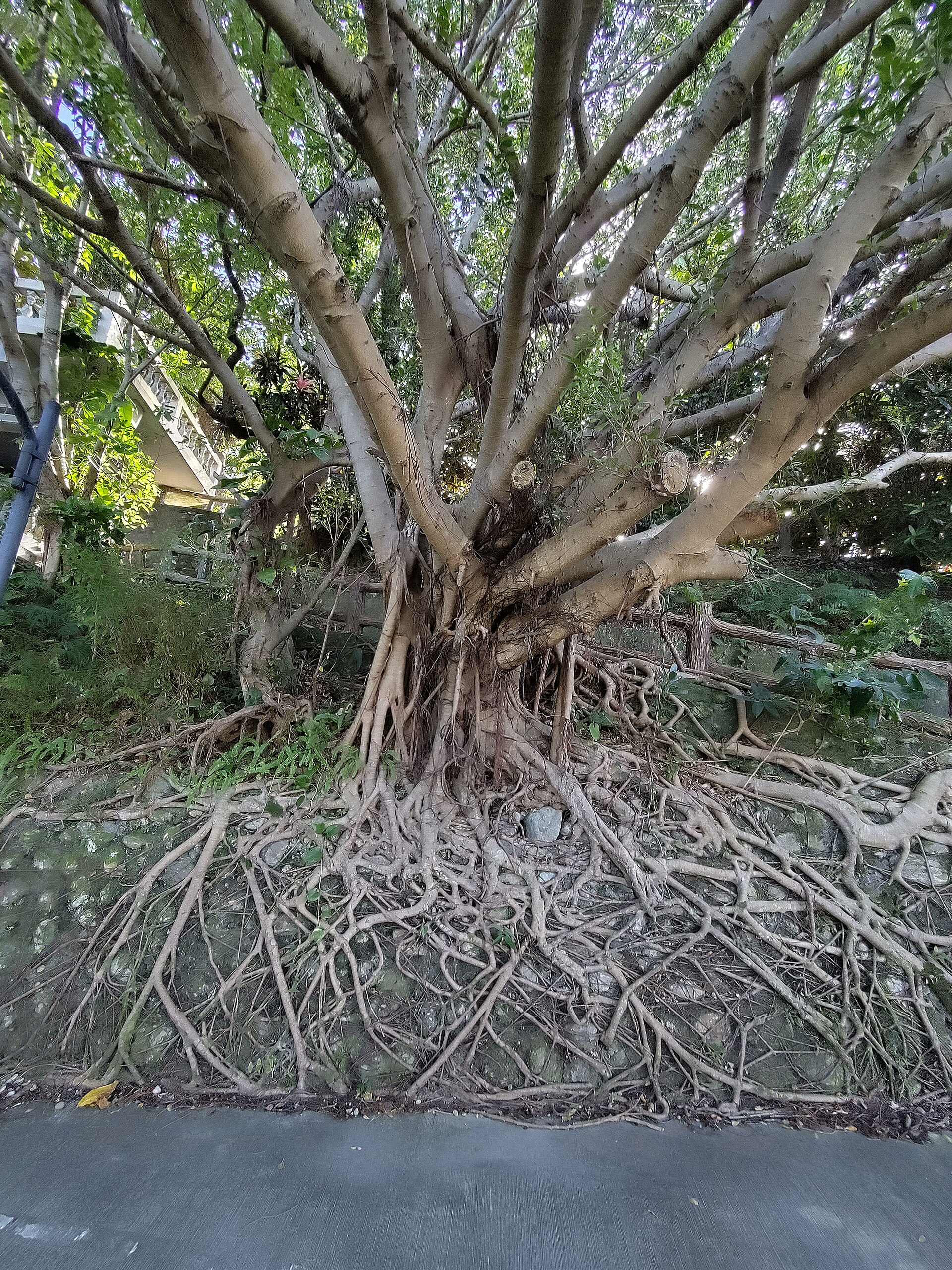
Meilun Park in Hualien is one of those rare places where nature and city life coexist so seamlessly that the boundary between them almost disappears. Stretching along Taiwan’s eastern coast, nestled between the mountains and the Pacific Ocean, the park feels like a world slightly out of step with the rush of modern life. Unlike the manicured lawns and rigid pathways of more formal urban parks, Meilun embraces a wilder, more organic beauty. Thick bamboo groves sway in the breeze, overgrown trails wind between towering trees, and sudden clearings reveal breathtaking views of the mountains or the distant sea. Locals call it Hualien’s lungs, and the name fits—this is where the city breathes.
The park’s history is intertwined with the growth of Hualien itself. In the early 20th century, when Taiwan was under Japanese rule, this land was part of the agricultural heartland, where rice paddies and sugarcane fields stretched across the valley. After World War II, as the island transitioned under the control of the Republic of China, the area began to take on a new purpose. By the 1960s and 70s, as Hualien developed into a hub for tourism and industry, the park started to take shape in its current form. Many of the trees that define its character today—camphor laurels, banyans, and especially the bamboo that has become its symbol—were planted during this time, their roots sinking deep into the soil alongside the city’s own growth.
There’s a quiet simplicity to Meilun Park’s design that makes it feel timeless. You won’t find grand fountains or towering monuments here. Instead, the park’s charm lies in its understated details: wooden bridges arching over narrow streams, stone benches tucked along winding paths, and pavilions with curved eaves offering shade from the sun or shelter from sudden rain. The most recognizable feature is the entrance arch, designed to resemble a grove of bamboo. It stands as an unspoken invitation to leave the outside world behind and step into a slower, more deliberate rhythm.
For Hualien’s residents, Meilun Park is more than just a green space—it’s a vital part of daily life. In the early mornings, you’ll find groups practicing tai chi on the open lawns, their movements fluid and unhurried. Later in the day, students and young professionals gather for picnics by the lake, while joggers weave along the shaded paths. The park shifts with the seasons: in summer, it becomes a cool refuge from the heat, its dense foliage offering respite from the sun. Autumn paints the trees in gold and crimson, creating a sense of quiet reflection, while winter occasionally dusts the surrounding peaks with snow, turning the landscape into something almost surreal. No matter the time of year, the park remains a constant, a place where life unfolds at its own pace.
At the heart of the park lies Meilun Lake, a small but striking body of water that mirrors the sky and the trees around it. The lake is calm, its surface broken only by the occasional ripple of a duck gliding across or the gentle splash of a fish rising to the surface. A paved path circles the water, popular with walkers and cyclists, while a few wooden platforms extend over the edges, offering spots to sit and watch the light change over the water. On weekends, you might see locals casting fishing lines into the lake, their presence adding to the park’s unhurried atmosphere. The lake is also a haven for birds, drawing both casual observers and serious birdwatchers, who come equipped with binoculars to spot the various species that call the park home.
Beyond its natural beauty, Meilun Park is deeply connected to Hualien’s cultural life. Throughout the year, it serves as a stage for festivals, concerts, and open-air exhibitions. During the Lantern Festival, celebrated in February or March, the park is transformed into a luminous wonderland, with thousands of colorful lights illuminating the trees and pathways. In summer, traditional Taiwanese music performances fill the air, while autumn brings craft fairs showcasing local artisans. These events draw visitors from across Taiwan, turning the park into a gathering place where the community’s creativity and traditions take center stage.
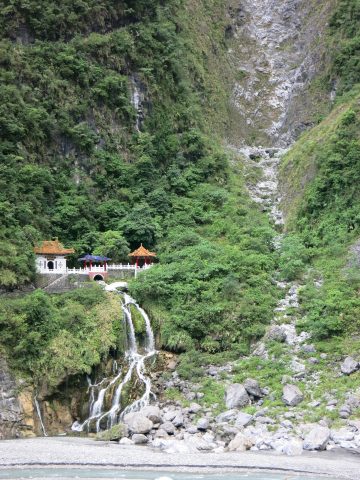
Despite its popularity, Meilun Park has a way of making even the busiest days feel peaceful. It’s easy to find a quiet corner, even when the park is full of people. The further you wander from the main paths, the more the landscape opens up—narrow trails lead deeper into the bamboo groves, where sunlight filters through the leaves in dappled patterns. Near the edges of the park, closer to the mountains, the terrain becomes wilder, with small waterfalls cascading down rocky slopes and old stone steps leading to secluded clearings. These hidden spots are favorites among photographers and those seeking a moment of solitude, where the only sounds are the rustling of leaves and the distant call of birds.
For travelers, Meilun Park offers a different side of Taiwan—one that’s far removed from the bustling streets of Taipei or the crowded night markets of Kaohsiung. Here, there’s no rush, no pressure to see or do anything in particular. Instead, the park invites you to slow down, to wander without a destination, and to experience the unhurried rhythm of life in a smaller Taiwanese city. Many visitors come to Hualien specifically to spend time here, whether it’s for a morning walk, an afternoon picnic, or simply to sit by the lake and watch the world go by. From the park, the mountains and the ocean are never far, making it the perfect starting point for exploring the natural beauty of Taiwan’s east coast.
Meilun Park is more than just a patch of green in the middle of Hualien. It’s a place where history, nature, and culture intersect, where every visitor can find something that resonates with them. For some, it’s a quiet escape from the noise of everyday life. For others, it’s a gathering place, a spot to meet friends or share a meal under the trees. And for many, it’s a source of inspiration, a reminder of the beauty that exists when nature and human life coexist in harmony. Whether you spend an hour or a whole day here, the park has a way of leaving you feeling a little more connected—to the land, to the people, and to the simple, unhurried moments that make life richer.