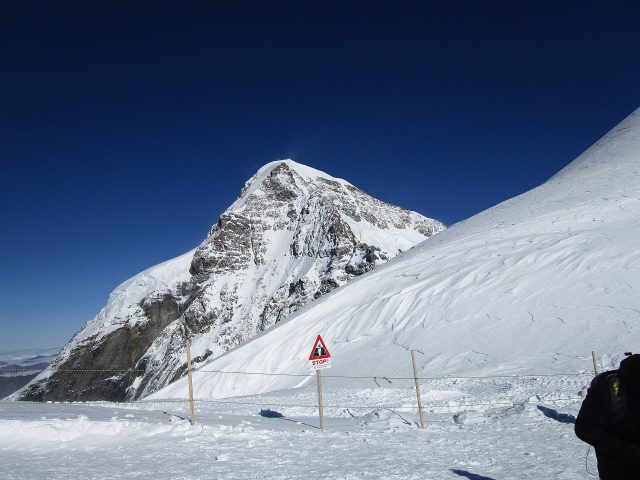
Bahnhofplatz in Fiesch is where the quiet pulse of a Swiss mountain town meets the grandeur of the Alps. Tucked beneath the snow-capped peaks of the Jungfrau region, this small square feels like the heart of the village—not because it’s grand or bustling, but because it gathers the rhythms of daily life in one unassuming space. Here, the steady hum of the railway blends with the slower, softer sounds of a community that moves at its own pace. There’s no need to rush; the square invites you to linger, whether over a coffee at a nearby café or simply watching the world go by.
The name Bahnhofplatz—literally "station square"—hints at its origins. The railway station at its edge isn’t just a transport hub; it’s a thread woven into the town’s identity. Before the tracks were laid in the late 19th century, Fiesch was little more than a cluster of alpine farms. The arrival of the railway changed everything, turning it into a gateway for travelers drawn to the dramatic landscapes of the Upper Valais. Today, the station remains a living part of the town’s story. Commuters hurry to catch trains, tourists adjust their backpacks, and locals chat on the platform as if it were their own front porch. The railway isn’t just infrastructure here—it’s a lifeline, a connection to the wider world without sacrificing the intimacy of small-town life.
The architecture around Bahnhofplatz is unpretentious, reflecting the practical elegance of Swiss design. The buildings are modest, mostly three or four stories tall, with wooden balconies and steep, tiled roofs that shrug off heavy snow. Some facades bear faded murals or intricate carvings, remnants of a time when craftsmen and shopkeepers shaped the town’s character. At the center of the square, a simple fountain serves as a gathering spot in warmer months. Children dip their hands in the water, while visitors rest on its edge, soaking in the view of the surrounding peaks. In winter, the fountain freezes into a silent sculpture, and the square takes on the quiet magic of a snow globe.
This is a place of departures and arrivals, not just for trains but for adventures. From Bahnhofplatz, hiking trails wind upward into the mountains, bike rentals offer a way to explore the valley, and buses connect to neighboring villages. In summer, the square comes alive with the sounds of street musicians and the clink of glasses from outdoor café tables. Winter brings a different kind of energy—warm lights, the scent of roasted chestnuts, and the crunch of snow underfoot. The seasons shape the mood here, but the square always feels like a natural extension of the town, never forced or overly polished.
The history of Bahnhofplatz is tied to the rise of alpine tourism in Switzerland. When the railway reached Fiesch in the late 1800s, it opened the door to a new kind of traveler—those seeking not just rest, but the thrill of high-altitude landscapes. The square became a crossroads, where stagecoaches once dropped off visitors and later, buses ferried them to glaciers and meadows. Traces of that era remain in the details: the old-fashioned lampposts, the weathered signs, the way the buildings seem to lean into the street as if sharing a secret. It’s a place where the past isn’t preserved behind glass but lived alongside the present.
Yet for all its tourist appeal, Bahnhofplatz never feels like a stage set. This is where real life happens. Farmers set up stalls with fresh produce, schoolchildren race past on their way home, and elderly locals play chess on benches, undisturbed by the occasional visitor. There’s no grand spectacle here, just the quiet cadence of a community that has found its balance between tradition and the outside world. The square doesn’t try to impress; it simply exists, absorbing the rhythms of the town and reflecting them back.
For travelers, Bahnhofplatz offers something rare: a glimpse of Switzerland beyond the postcard images. There are no luxury resorts or flashy attractions, just the quiet beauty of a place that has learned to live in harmony with its surroundings. You might spend an hour here watching trains disappear into the mountains, or nursing a coffee while the sun warms the cobblestones. The food is simple—fondue, rösti, a slice of apple strudel—but it tastes like it belongs here, just like everything else.
The square changes with the seasons, but its charm never fades. Summer brings small festivals and open-air concerts, while winter transforms it into a cozy hub for Christmas markets. Sometimes, local artists display their work here, turning the square into an impromptu gallery. But even on ordinary days, it doesn’t lose its appeal. Perhaps that’s the secret—Bahnhofplatz doesn’t try to be anything more than what it is. It’s just a quiet corner of the Alps, where the mountains meet the town, and where anyone can find a moment of stillness.