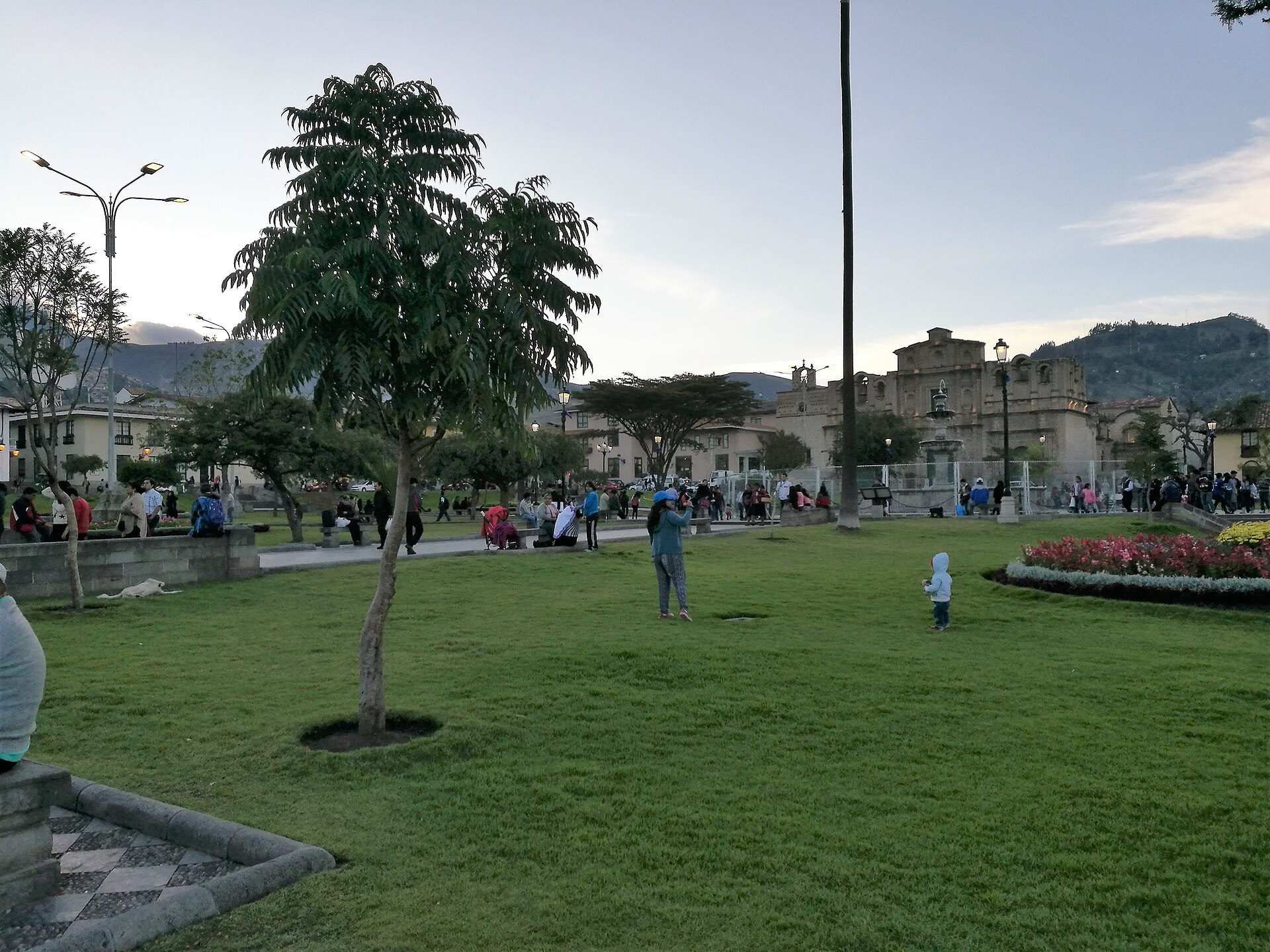
Plaza de Armas in Cajamarca is one of those rare places where history isn’t just preserved in stone—it lingers in the air, in the way sunlight falls across cobblestones, in the quiet conversations of locals who still gather here as they have for centuries. This square has been the heart of the city since colonial times, a stage for triumphs and tragedies, where the past feels as immediate as the present. Unlike grander plazas in Lima or Cusco, Cajamarca’s main square has an unassuming charm, a place where the weight of history doesn’t overwhelm but invites you to sit down, watch, and listen.
Long before the Spanish arrived, Cajamarca was a vital center of the Inca Empire, a city of strategic importance nestled in the northern highlands. When Francisco Pizarro and his conquistadors marched into the valley in 1532, they chose this very spot to meet the Inca ruler Atahualpa, an encounter that would change the course of South American history. The plaza was laid out soon after, becoming the focal point of a new colonial city. Over the centuries, it grew into a living archive of Peru’s layered identity, where Spanish Baroque facades stand alongside buildings that bear the subtle influence of indigenous craftsmanship. The result isn’t just a collection of old structures but a place where two worlds—one European, one Andean—have been in quiet conversation for nearly five hundred years.
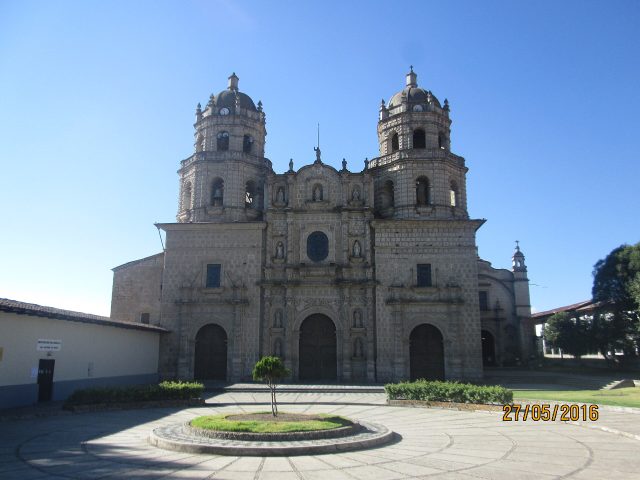
The most striking building on the plaza is Cajamarca’s cathedral, its ornate stone facade a testament to the skill of colonial artisans. Built in the 17th century, the cathedral’s interior is a mix of gold-leaf altars and religious paintings, many of them created by local artists who blended European techniques with indigenous motifs. Nearby, the Church of San Francisco rises with its tall bell tower, offering one of the best views over the city. These churches weren’t just places of worship; they were symbols of power, tools of conversion, and centers of community life. Stepping inside, you can still sense the echoes of the past—the murmurs of prayers, the scent of candle wax, the weight of centuries of devotion.
But Plaza de Armas isn’t just a relic of the past. It’s where Cajamarca’s daily life unfolds, a place where the rhythms of the city are most visible. In the mornings, vendors set up stalls selling fresh bread, tropical fruits, and the local specialty—queso de Cajamarca, a mild, crumbly cheese that’s become a point of pride for the region. By midday, the square fills with students on their lunch breaks, office workers hurrying between appointments, and tourists snapping photos of the colonial architecture. As evening falls, the atmosphere shifts. Street musicians begin to play, couples stroll arm in arm, and the cafés lining the plaza fill with the hum of conversation. On weekends and during festivals, the square transforms entirely, with dancers in traditional costumes, food stalls serving anticuchos and chicha, and a sense of celebration that spills into the night.
At the center of it all stands the plaza’s fountain, a modest but beloved landmark. Installed in the 19th century, it has become a natural gathering spot—a place where friends meet, children play, and old men while away the afternoon over a game of chess. On hot days, the sound of water provides a soothing backdrop to the city’s noise, and in the cooler months, the fountain’s basin becomes a makeshift bench for those who want to watch the world go by. It’s the kind of place where time seems to slow down, where the simple act of sitting and observing can feel like a small rebellion against the rush of modern life.
Cajamarca itself is a city that resists haste. Perched in a highland valley at over 2,700 meters, it has a climate that’s cooler and drier than the coastal cities, with crisp mornings and evenings that carry the scent of eucalyptus and wild herbs. The plaza is the perfect introduction to this slower pace. From here, narrow streets radiate outward, leading to colonial-era houses with intricately carved wooden balconies, hidden courtyards, and small workshops where artisans still practice traditional crafts. Beyond the city center, the landscape opens up to rolling hills and distant mountains, a reminder that Cajamarca has always been a crossroads—a place where the Andes meet the Amazon, where cultures have collided and blended for centuries.
For travelers, Plaza de Armas is often the starting point for deeper explorations of the region’s history. Nearby, the Ransom Room—a small, unassuming chamber where Atahualpa was held captive by the Spanish—offers a stark reminder of the violence that marked the conquest. The city’s museums, though modest, house fascinating collections of pre-Columbian artifacts, colonial religious art, and contemporary works by local painters. And then there’s the food. Cajamarca’s cuisine is a reflection of its geography and history: hearty stews like *cuy chactado* (fried guinea pig), *humitas* (steamed corn cakes), and *chicha de jora* (a fermented corn drink) that have been passed down through generations. The plaza’s cafés and restaurants serve these dishes with a simplicity that lets the flavors speak for themselves.
What makes Plaza de Armas special isn’t its grandeur or its fame. It’s the way it feels lived-in, as if the city’s past and present exist side by side without conflict. There are no grand monuments here, no towering statues—just a quiet square where history is woven into the fabric of everyday life. On any given afternoon, you might see an elderly woman selling handmade textiles, a group of teenagers laughing over ice cream, or a street vendor roasting *cancha* (toasted corn) over an open flame. These small moments are the real story of Cajamarca, a city that has survived conquest, colonialism, and modernization without losing its soul.
For those who venture beyond Peru’s most famous destinations, Cajamarca offers a different kind of experience—one that’s less about ticking off landmarks and more about slowing down and paying attention. The plaza isn’t just a place to visit; it’s a place to linger. To sit on a bench beneath the shade of an old tree, to watch the light change on the cathedral’s facade, to listen to the clatter of hooves as a horse-drawn carriage passes by. In a country where history is often monumental, Cajamarca’s Plaza de Armas is refreshingly human—a reminder that the past isn’t just something to be observed from a distance, but something that still shapes the way people live, work, and gather today.