Kuntur Wasi is one of those rare places in Peru that feels untouched by time, where the remnants of ancient civilizations linger in the quiet air. Tucked away in the hills near Cajamarca, this archaeological site doesn’t draw crowds like the more famous ruins of the Inca Empire. Instead, it offers something far more intimate—a chance to walk among stones that have witnessed centuries of history, undisturbed by the noise of modern tourism. There are no flashy signs or guided tours here, just the slow reveal of a past that still hums beneath the surface.
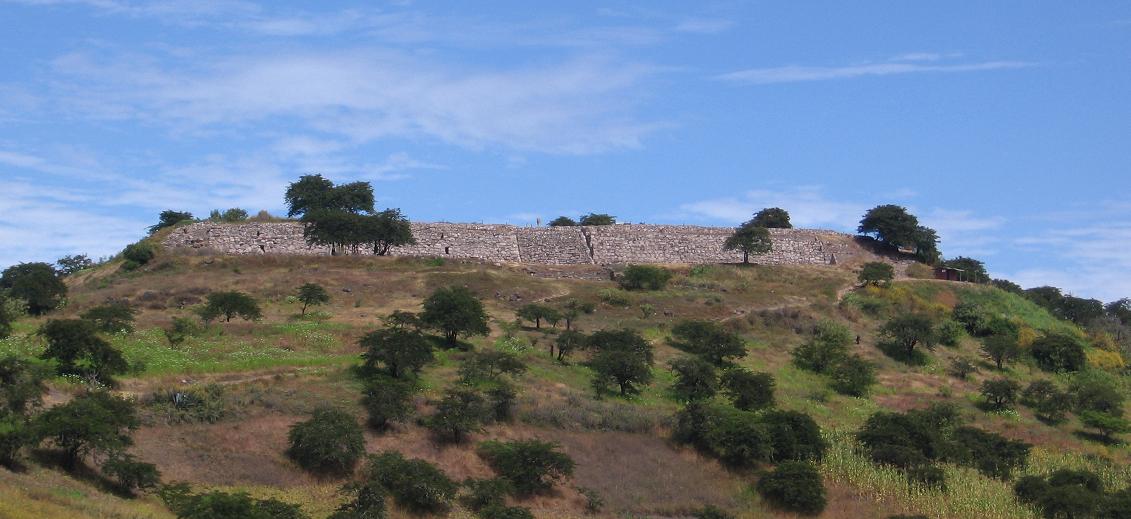
The site was first settled by the Cajamarca culture, which thrived in the region from around 500 BCE to 1000 CE. Later, the Inca took control, but it was the earlier builders who left behind the most striking structures. The most impressive feature of Kuntur Wasi is its platform mounds and pyramids, constructed from massive stone blocks fitted together without mortar. The precision is astonishing—gaps between the stones are so tight that not even a knife blade could slip through. Considering these structures were built without modern tools, the craftsmanship feels almost impossible, a testament to the skill of those who shaped this place.
At the heart of the complex lies a large rectangular platform, likely used for rituals or administrative purposes. Surrounding it are smaller buildings, including living quarters and storage spaces. Archaeologists believe Kuntur Wasi was a significant religious and political center for the local tribes, and later for the Inca. The name itself, which translates to "House of the Condor," adds a layer of mystery. While there’s no direct evidence linking the site to the bird, the name evokes the soaring presence of the Andes, where condors still circle the skies.
One of the most fascinating discoveries at Kuntur Wasi was a series of tombs filled with rich burial offerings. Excavations uncovered ceramic vessels, gold and silver jewelry, and objects made from shells and stone. These finds suggest that the people buried here held high social status and that the region had extensive trade connections with distant areas. Some of the artifacts are now displayed in museums in Lima and Cajamarca, while others remain on-site in a small museum near the ruins.
The architecture of Kuntur Wasi differs from the more famous Inca sites like Machu Picchu or Sacsayhuamán. Here, the stonework is less refined but no less impressive. The walls feature niches and protrusions that may have held symbolic meaning, possibly used for astronomical observations or religious ceremonies. Unlike the Inca’s precisely cut polygonal stones, the structures here have a rougher, more organic quality, blending seamlessly into the landscape.
Visiting Kuntur Wasi isn’t just about exploring ancient history—it’s also a chance to see the Peruvian Andes from a different perspective. The site sits on a hill, offering sweeping views of the Cajamarca Valley and the surrounding mountains. On clear days, the ruins seem to rise naturally from the earth, as if they’ve always been part of the terrain. The area is dotted with dry grass and sparse shrubs, and the air carries the scent of sage and sun-warmed stone.
Getting to Kuntur Wasi from Cajamarca takes about an hour by car, as there’s no public transportation to the site. The journey winds through small villages where locals sell handmade crafts and traditional foods. The ruins are open during daylight hours, and while there’s a small entrance fee, it’s more of a formality than a barrier. Once inside, the place feels almost deserted, with only the wind and the occasional call of a bird breaking the silence.
This isn’t the kind of tourist spot where everything is neatly packaged and explained. There are no loudspeakers or rigid schedules, just the freedom to wander at your own pace. It’s a place for those who prefer reflection over spectacle, where the quiet allows you to imagine the lives of the people who once walked these paths. What rituals did they perform here? What hopes did they hold for the future? The answers aren’t written in guidebooks, but in the stones themselves, waiting to be discovered by those who listen closely.