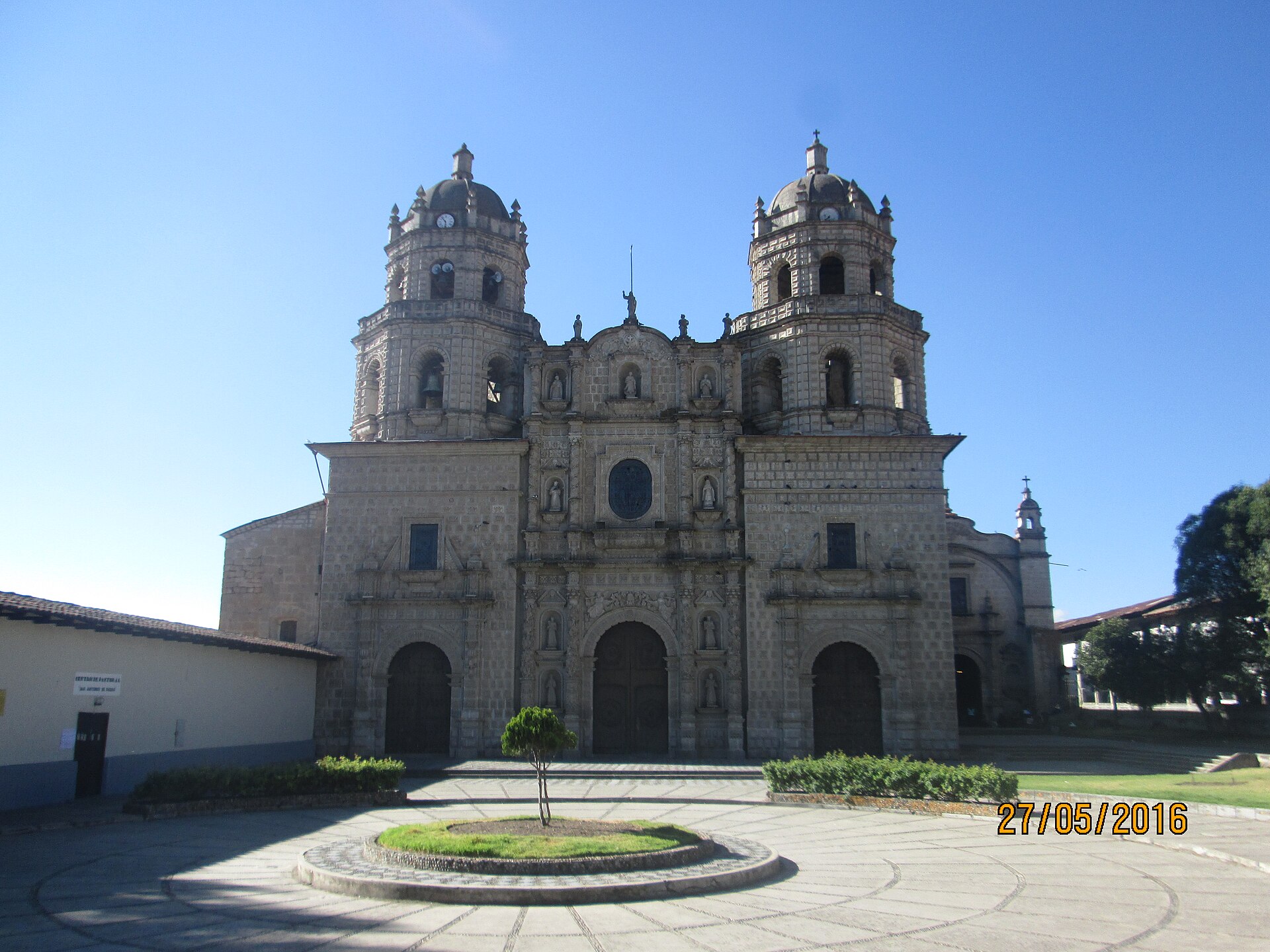
San Francisco Church in Cajamarca is one of those rare places where time seems to stand still, preserving the spirit of Peru’s colonial past. Built in the late 16th century, it occupies a prominent place on the city’s main square, a silent witness to the transformations that have shaped this land. The Franciscans who arrived with the Spanish conquistadors constructed the church not only as a place of worship but as a symbol of the new order they sought to impose—a faith meant to replace the traditions of the indigenous people. Today, it remains more than just an architectural monument; it’s a living part of the city, where history, culture, and daily life intertwine.
The church’s architecture reflects the colonial style of the era, though it bears the unmistakable imprint of local craftsmanship. The façade, carved from volcanic stone, blends the austerity of European design with details that hint at pre-Columbian influences. The portal is adorned with reliefs that weave together Christian motifs and elements reminiscent of Inca art. Inside, the space feels expansive, bathed in light streaming through tall windows. The main altar, gilded and ornate, commands attention without overwhelming—it invites contemplation rather than blind reverence.
San Francisco Church holds a particularly significant place in the history of Peru’s conquest. According to legend, it was here that the last Inca ruler, Atahualpa, was imprisoned before his execution on the orders of Francisco Pizarro. The story goes that the church’s cellars still conceal treasures hidden by the Incas from the Spanish, though no evidence has ever confirmed this. Still, the atmosphere of the place lends itself to such speculation. The thick walls, narrow windows, and vaulted ceilings seem to echo with the weight of history, making it easy to imagine the countless lives that intersected within these walls.
Adjacent to the church is a small museum housing a collection of religious art from the colonial period. The exhibits include paintings, sculptures, and everyday objects that offer a glimpse into the lives of the Franciscan monks and their role in spreading Christianity among the local population. What makes these pieces especially intriguing is the way they blend European techniques with Peruvian influences. Some paintings depict saints with the facial features of indigenous people, while the landscapes resemble the Andean valleys. These subtle details transform the artifacts from mere historical objects into testaments of the cultural synthesis that unfolded over centuries.
Cajamarca is a city where the past feels particularly vivid, and San Francisco Church plays a central role in that experience. It isn’t isolated from modern life but woven into its fabric. Mornings here begin with services attended by locals and visitors alike. On feast days, the church becomes the heart of celebrations—processions, music, and dance fill the square in front of it. The most vibrant of these is the Festival of Saint Francis, when the city transforms, and the ancient walls seem to come alive with the sounds of traditional melodies.
The church’s interior is far from static. Altars and statues are adorned with flowers, candles, and ribbons according to the season and religious observances. For the people of Cajamarca, this isn’t a museum but a place of quiet reflection, prayer, or simply a moment of peace. There’s no artificiality here—just the worn steps, the scent of wax, and the soft light filtering through the windows. It’s a space that feels lived-in, where the past and present coexist naturally.
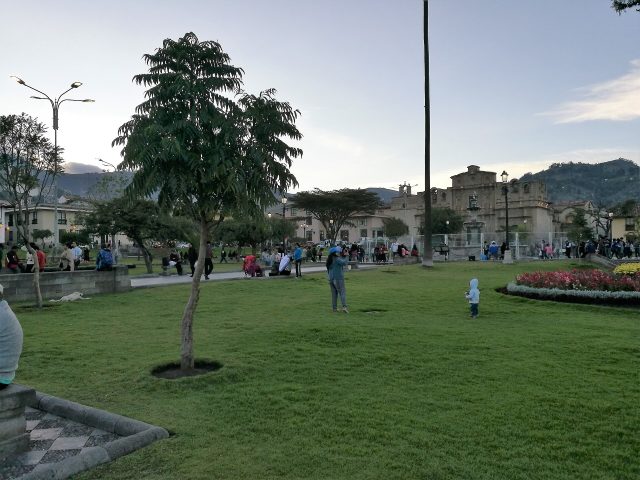
Cajamarca itself has preserved its colonial character better than many other Peruvian cities. The narrow streets, whitewashed houses with wooden balconies, and the central square with its fountain all contribute to the sense of stepping back in time. San Francisco Church fits seamlessly into this landscape, not as a standalone attraction but as an integral part of the city’s identity. Walking through Cajamarca, it’s easy to imagine the lives of its inhabitants four centuries ago—their stories, their struggles, and their hopes.
Beyond its religious significance, the church serves as a cultural hub. It hosts classical music concerts, exhibitions by local artists, and lectures on regional history. These events bring together people of all ages and backgrounds, offering visitors a chance to engage with the living pulse of Cajamarca. In this way, San Francisco Church is more than just an architectural landmark; it’s a dynamic space that continues to evolve alongside the city.
A visit here leaves more than just photographs. There’s a sense of connection to something deeper, something that transcends the beauty of the building itself. Perhaps it’s because the history here isn’t just recounted—it’s felt. Every stone, every fresco, every corner of the church holds the memory of the people who once walked these halls, prayed here, debated, and dreamed. That memory doesn’t fade; it lingers, becoming part of those who visit today. That, in the end, is the true value of such places—they remind us that the past isn’t gone, but lives on in the present.