Cumbemayo is one of those rare places where the hand of nature and the ingenuity of ancient civilizations seem to have worked in perfect harmony. Tucked into the hills outside Cajamarca, this rugged canyon and its intricate network of stone aqueducts draw visitors who are as curious about history as they are about the landscape itself. Walking through the site, it’s easy to imagine the people who once carved paths through these mountains, leaving behind structures that still command respect after thousands of years.
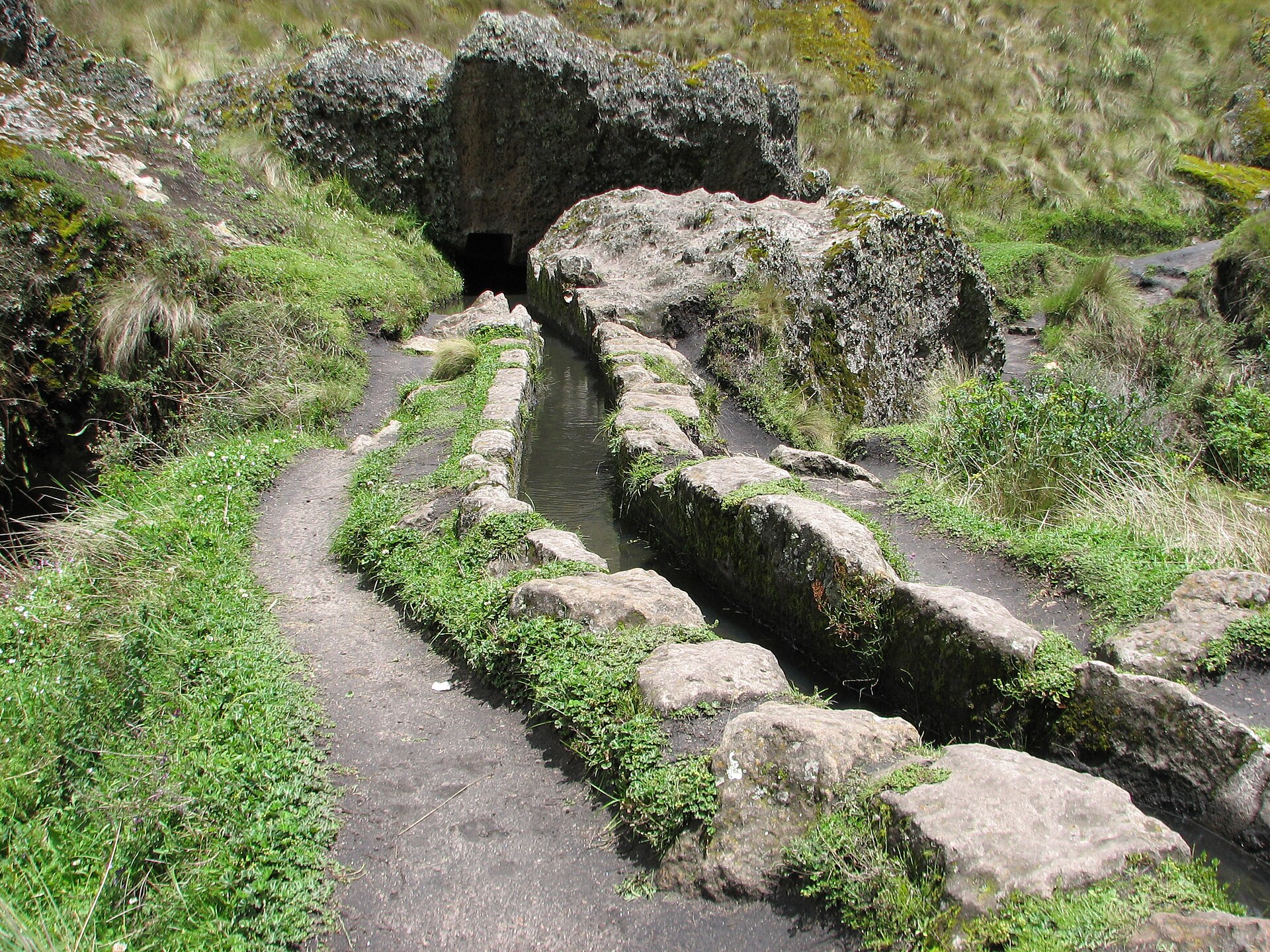
The name Cumbemayo comes from Quechua, meaning narrow river, and the canyon lives up to it. The gorge cuts through the rock, its walls rising sharply on either side, though the water that once flowed here has long since vanished. What remains is far more remarkable than the natural landscape alone—the ancient aqueduct system, hewn directly into the stone. These channels, believed to be two or three thousand years old, were designed to carry water to fields and settlements below. Their precision and durability speak to a culture that understood engineering, hydrology, and perhaps even something deeper about the land they inhabited.
The aqueducts are a marvel of practical design. The channels follow the contours of the terrain, winding around obstacles and tunneling through rock where necessary, all to keep the water flowing by gravity alone. Some sections curve like serpents, while others are adorned with abstract carvings that hint at a purpose beyond mere function. These details suggest that for the people who built them, the aqueducts were more than just a water supply—they were part of a sacred landscape, a connection between the earth and the forces that sustained life.
The surrounding area is just as striking. The rocks here have been shaped by wind and time into forms that seem almost intentional—mushroom-like outcrops, boulders that resemble frozen animals, and jagged spires that defy gravity. Locals call them stone sculptures, and it’s not hard to see why. As the light shifts, especially in the early morning or late afternoon, the shadows play across the rocks in ways that make the whole place feel otherworldly, as if time moves differently here.
Cumbemayo is deeply tied to the region’s history. The aqueducts are thought to have been built by the Cajamarca culture, which thrived long before the Inca Empire rose to power. The Incas, recognizing the brilliance of the existing system, later expanded and maintained it. For them, water was not just a resource but a sacred element, and the channels at Cumbemayo may have played a role in rituals tied to fertility and reverence for nature. Some researchers believe the canyon was a pilgrimage site, a place where people gathered to honor the land and its gifts.
Today, Cumbemayo offers more than just a glimpse into the past—it offers a sense of stillness, a chance to step away from the noise of modern life. The only sounds are the wind rushing through the gorge and the occasional call of a bird. The air is crisp and cool, carrying the scent of earth and stone. Visitors come here to walk the same paths that people have trodden for millennia, to run their hands over the weathered rock, and to imagine the water that once flowed through these channels, bringing life to the valley below.
There’s no need for special preparation to visit, though it’s worth remembering that the site sits at nearly three thousand meters above sea level. Those unaccustomed to high altitudes might need a little time to adjust. The best times to explore are in the morning or late afternoon, when the sun is gentler and the shadows deepen, making the landscape even more dramatic. Local guides are available to share stories about the aqueducts and point out the most interesting features, but it’s just as rewarding to wander on your own, following the well-worn trails that crisscross the site.
Unlike the crowded ruins of Machu Picchu or the bustling streets of Cusco, Cumbemayo remains quiet, almost untouched. That solitude makes it all the more special. This is a place for those who want to experience Peru beyond the postcards—to feel the weight of history in the stones beneath their feet and to listen to the silence of the mountains. It’s a reminder that some of the most profound stories aren’t locked away in museums but are out here, waiting under the open sky.