Praia’s Alexandre Albuquerque Square is one of those places where the city reveals itself slowly, without the usual tourist rush or fanfare. Tucked in the heart of Cape Verde’s capital on the island of Santiago, it serves as both a geographical and historical anchor for the city. The square sits at the intersection of Praia’s oldest streets, surrounded by buildings that have witnessed centuries of change across the archipelago. It’s not just a landmark—it’s a living part of the city’s rhythm, where the past and present coexist without fuss.
The square takes its name from a Portuguese colonial administrator who governed Cape Verde in the early 20th century. Albuquerque’s legacy is mostly forgotten now, overshadowed by the everyday life that unfolds here. People don’t come for history lessons; they come for the space itself—a place to meet, stroll, or simply sit and watch the world go by. The square doesn’t demand attention; it quietly offers a slice of local life, unfiltered and unhurried.
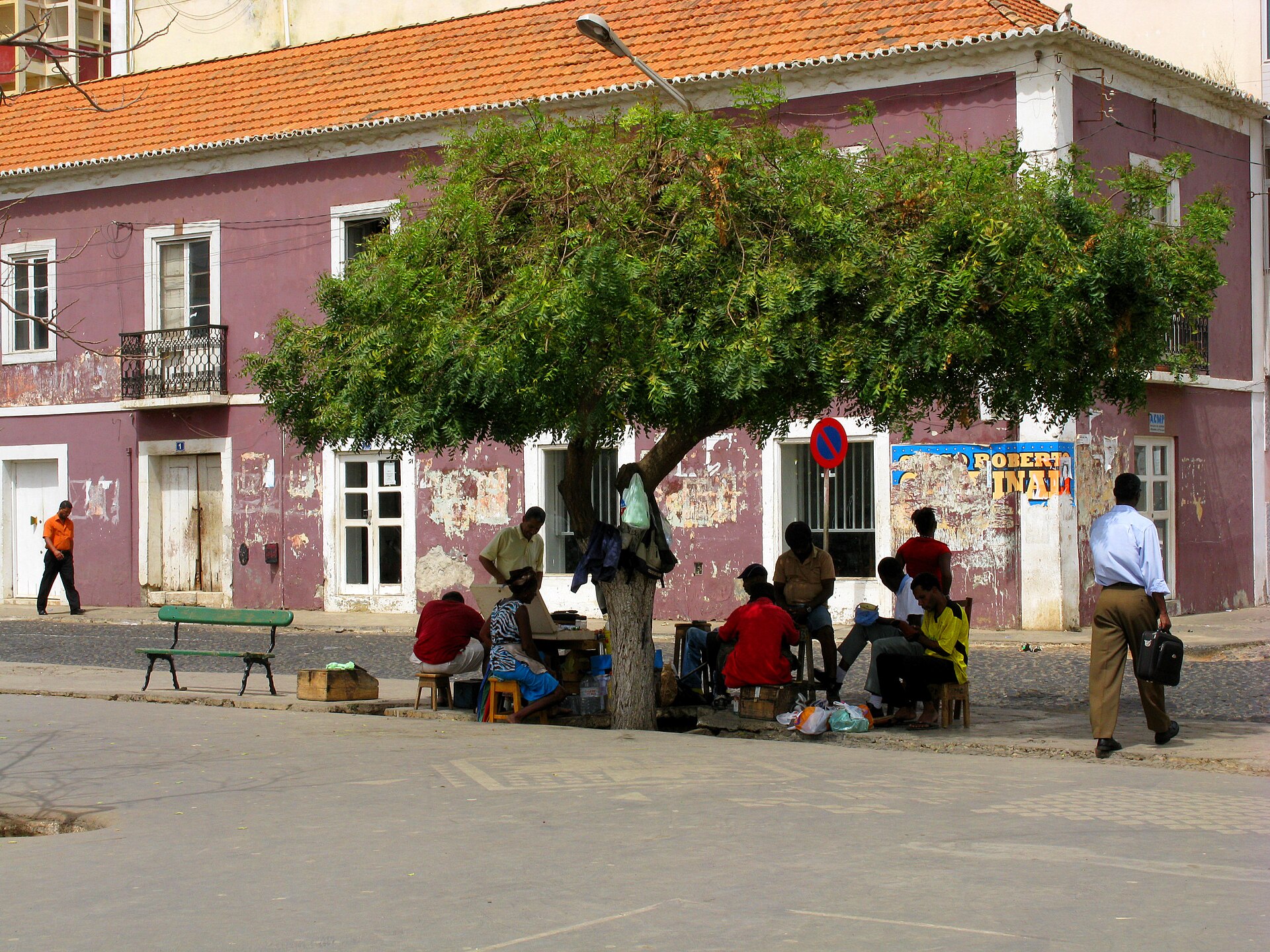
The architecture around the square reflects a blend of Portuguese influence and Cape Verdean character. The buildings are low and unassuming, with wooden balconies and shutters painted in bright, sun-bleached hues. Some facades still bear the ornate plasterwork and wrought-iron grilles of a time when Praia was little more than a quiet colonial outpost. At the center of the square, a modest fountain provides a focal point, its shade drawing locals who gather beneath the trees to escape the midday heat. It’s not grand, but it’s enough to make the space feel welcoming, especially when the sun is at its fiercest.
This isn’t a place for crowds or spectacle. There are no tour groups snapping photos or vendors hawking trinkets. Instead, the square belongs to the people who use it daily. In the mornings, elderly men sit on benches, chatting or watching passersby. By midday, the pace picks up—schoolchildren dart past on their way to class, street vendors arrange their wares, and office workers duck into nearby cafés for a quick bite. Evenings bring a shift in mood as the air cools and families take leisurely walks. Sometimes, a musician will set up near the fountain, filling the square with the melancholic strains of morna, the traditional music of Cape Verde.
Despite its central location, the square doesn’t feel busy in the way most city centers do. There’s no loud nightlife or traffic congestion—just a steady, unhurried flow of life. Small shops line the edges, selling everything from fresh fish to local spices, while a handful of cafés serve strong coffee and pastéis, the flaky pastries filled with tuna or cornmeal. It’s the kind of place where you can linger without feeling rushed, where the city’s pace slows to match your own.
The square’s history is intertwined with Praia’s rise as a capital. When Portugal moved the administrative center from Boa Vista to Santiago in the 19th century, this area became the heart of the new city. Alexandre Albuquerque Square was one of the first public spaces to take shape, witnessing everything from colonial parades to official ceremonies. In earlier times, it even hosted public executions—a grim reminder of the past that’s now relegated to old photographs and the stories of longtime residents.
Today, the square bridges different eras. Colonial-era buildings stand alongside modern offices and banks, while street artists occasionally set up on the corners, sketching portraits of passersby. On holidays, the square comes alive with concerts and fairs, but most days, life here moves at a gentle pace, as if time itself has settled into a slower rhythm. For visitors, it’s an ideal starting point for exploring Praia—just a short walk from the Sucupira Market, where vendors sell everything from souvenirs to exotic fruits, or the waterfront, where the Atlantic stretches endlessly.
What makes Alexandre Albuquerque Square special isn’t grandeur or spectacle, but its unassuming authenticity. There’s nothing staged here, nothing designed to impress tourists. It’s simply a place where people go about their lives, where the buildings hold stories, and where the cobblestones have been worn smooth by generations of footsteps. If you find yourself in Praia, don’t come here for photos—come to sit on a bench, listen to the hum of conversation, and feel the city’s quiet pulse.