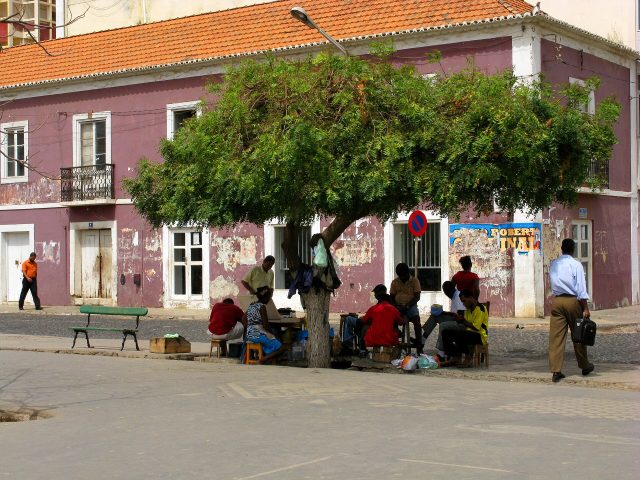
The Ethnographic Museum of Praia is one of those quiet places where history feels close enough to touch. Tucked away on Avenida 5 de Julho, it doesn’t announce itself with grand architecture or flashy signs. The building blends into the streetscape, its modest facade easy to overlook if you’re not looking for it. But step inside, and the space opens up into something far more meaningful than its unassuming exterior suggests. This isn’t a museum of dusty relics behind glass—it’s a place where the past of Cape Verde is kept alive through the everyday objects, struggles, and creativity of the people who shaped these islands.
Cape Verde’s identity was forged from layers of migration, trade, and survival, and the museum reflects that complexity. The collection spans the practical and the profound: tools used by farmers to coax crops from stubborn soil, fishing nets and hand-carved boats that speak to the risks of life at sea. There are woven baskets, clay pots, and textiles adorned with patterns passed down through generations. These aren’t just artifacts; they’re evidence of how people adapted to an environment where water was scarce, the land was unforgiving, and the ocean was both a provider and a threat. The exhibits don’t romanticize the past—they show the ingenuity required to endure it.
One of the most striking sections is dedicated to music, a cornerstone of Cape Verdean culture. The museum houses instruments that have defined the islands’ sound, including the morna, a genre so deeply tied to national identity that it’s been recognized by UNESCO. The melancholic, soulful melodies of morna—often described as the musical equivalent of Portuguese fado or Brazilian saudade—capture the bittersweet emotions woven into Cape Verde’s history: longing for distant loved ones, resilience in the face of hardship, and the quiet pride of a people who turned isolation into art. Visitors can sometimes hear recordings of classic performances, the music filling the room like a living presence.
The museum doesn’t shy away from the darker chapters of Cape Verde’s past. A dedicated exhibit confronts the legacy of the transatlantic slave trade, which left an indelible mark on the archipelago. Here, the displays are stark and unflinching: rusted shackles, maps tracing the brutal routes of slave ships, and documents that lay bare the inhumanity of the trade. There’s no attempt to soften the narrative—just a quiet acknowledgment of how this history shaped the islands and their people. It’s a reminder that Cape Verde’s culture wasn’t just born from creativity and resilience, but also from suffering and resistance.
Perhaps the most compelling part of the museum is the section exploring Cape Verde’s creole identity. The islands have long been a crossroads of cultures—African, Portuguese, Arab, and even Sephardic Jewish influences all left their mark. The exhibits here reflect that fusion: crucifixes displayed alongside African amulets, fabrics that blend European designs with local motifs, and religious artifacts that defy easy categorization. It’s a visual representation of how Cape Verde became something entirely its own, a place where different traditions collided and coalesced into a distinct culture. The museum doesn’t just tell this story; it lets the objects speak for themselves, showing how history isn’t a straight line but a web of connections.
While the museum is small, it feels deeply personal. There’s no overwhelming scale or overwhelming crowds—just a series of rooms where each item has a story. Temporary exhibitions occasionally bring in contemporary artists and craftspeople, bridging the gap between past and present. Some days, you might stumble upon a workshop where locals demonstrate traditional weaving or play instruments like the cavaquinho, a small guitar central to Cape Verdean music. These moments make the museum feel alive, not just a repository of the past but a place where tradition is still being practiced and reimagined.
A visit here doesn’t take long, but it lingers in a way that grander museums often don’t. There’s no pretension, no attempt to impress with spectacle. Instead, the museum offers something rarer: authenticity. The objects on display aren’t just historical curiosities—they’re fragments of real lives, tangible connections to the people who built Cape Verde from the ground up. After wandering through Praia’s streets, the museum adds another layer to the city. It’s no longer just a capital with scenic views, but a place where every corner seems to hold echoes of the past—of the fishermen, farmers, musicians, and dreamers who turned these islands into home.
For travelers, the Ethnographic Museum of Praia is a chance to see Cape Verde beyond the postcard images of beaches and resorts. It’s a reminder that the country’s soul isn’t just in its landscapes, but in the stories of its people. And for locals, it’s a place to remember, to reflect, and to pass on what it means to be Cape Verdean. In a world where so much history is sanitized or commercialized, this museum feels refreshingly honest—quiet, unassuming, and deeply human.