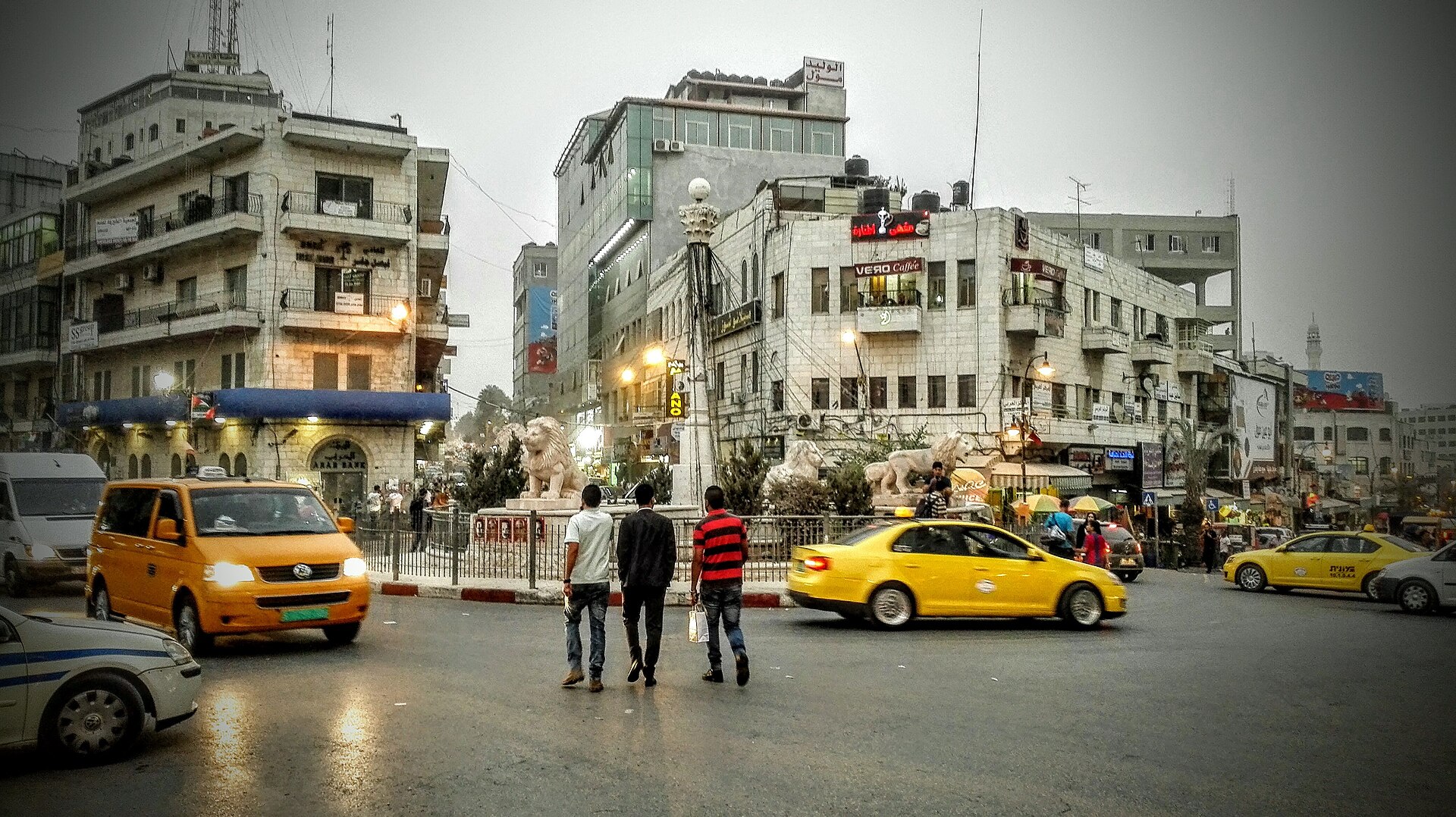
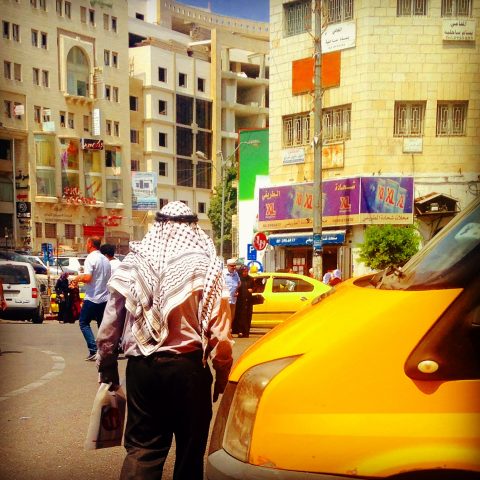
Ramallah’s Al-Manara Square is one of those places where the city’s pulse feels strongest. It sits at the heart of the urban sprawl, a roundabout that has grown into something more—a gathering point, a landmark, and a quiet witness to the rhythms of daily life. The name itself, Al-Manara, means "the lighthouse," though there’s no sea in sight. Instead, the square serves as a beacon in its own way, a place where people converge, whether for a morning coffee, an evening stroll, or the occasional protest or celebration.
The square’s most recognizable feature is the towering lion sculpture at its center, a monument that has become synonymous with Ramallah. The lions, perched on a pedestal, were installed in the 1930s during the British Mandate period, a time when the city was taking shape as an administrative and cultural hub. The sculpture was a gift from a local family, a gesture that reflected both civic pride and the growing sense of identity in a place that was still finding its footing. Over the decades, the lions have seen the city change around them—from a quiet hilltop town to a bustling urban center, from a place under British rule to one at the heart of Palestinian political and social life.
Architecturally, Al-Manara is unassuming, but that’s part of its charm. The square is surrounded by low-rise buildings, many of them dating back to the early 20th century, with facades that blend Ottoman, British, and local Palestinian influences. The shops and cafes lining the streets are modest, catering to everyday needs rather than tourists. You’ll find bakeries selling fresh ka’ak bread, small grocery stores with stacks of produce, and hole-in-the-wall eateries where men gather over backgammon and strong Arabic coffee. There’s no grand design here, just the organic growth of a city that has adapted to its circumstances.
What makes Al-Manara special is the way it functions as a public living room for Ramallah. In the mornings, the square is alive with the hum of students heading to nearby schools and university campuses, their chatter mixing with the calls of street vendors. By midday, the pace slows slightly, but the square never empties. Older men sit on benches, watching the world go by, while shopkeepers sweep the sidewalks in front of their stores. In the evenings, the atmosphere shifts again. Families come out for a walk, teenagers gather in small groups, and the scent of shisha smoke drifts from the cafes. On weekends, the square can feel almost festive, with impromptu performances or political rallies adding to the energy.
The square has also been a stage for history. During the First Intifada in the late 1980s, Al-Manara was a frequent site of protests and clashes, a place where the tensions of the time played out in full view. In quieter periods, it has been a backdrop for celebrations—victories in local elections, cultural festivals, or the rare moments of national pride that punctuate life under occupation. The lions, silent and stoic, have watched it all, their stone faces bearing witness to decades of change.
For visitors, Al-Manara offers a glimpse into the everyday life of Ramallah, a city that is often defined by its political struggles but is so much more than that. There are no grand museums or ancient ruins here, just the steady, unremarkable rhythm of a place where people go about their lives despite the challenges. The square is a reminder that cities are built by their inhabitants, not just their monuments. You won’t find tour buses or guided groups, but if you sit on one of the benches long enough, you’ll start to understand what makes Ramallah tick.
The best way to experience Al-Manara is to simply be there. Grab a coffee from one of the nearby cafes, find a spot to sit, and watch. The square doesn’t demand attention; it earns it slowly, through the small details—the way the light hits the lions in the late afternoon, the sound of a vendor calling out the price of fresh figs, the laughter of children chasing each other around the fountain. It’s a place where time feels both suspended and relentless, where the past and present coexist without fanfare.
In many ways, Al-Manara is a microcosm of Ramallah itself—resilient, unpretentious, and deeply human. It’s not a place that tries to impress; it just is. And perhaps that’s why it endures. The lions will still be standing long after the crowds have gone home, a quiet symbol of a city that refuses to be defined by anything other than its own story.