Yasser Arafat’s mausoleum in Ramallah is one of those places where history feels tangible, not just because of the man it honors, but because of what it represents. The site is modest in scale but heavy with symbolism, set within the grounds of the Mukataa, the Palestinian Authority’s headquarters. The mausoleum itself is a simple, circular structure with a domed roof, built from pale stone that blends into the surrounding complex. It doesn’t dominate the landscape the way grand memorials often do; instead, it sits quietly, almost humbly, as if reflecting the contradictions of Arafat’s own life—both a revolutionary leader and a statesman who spent decades navigating the complexities of diplomacy and conflict.
The story of how Arafat came to be buried here is as much about politics as it is about mourning. When he died in 2004 in a Paris hospital, the question of where he would be laid to rest became a matter of intense debate. Jerusalem, the city he had long claimed as the capital of a future Palestinian state, was out of the question under Israeli control. Ramallah, the de facto administrative center of the Palestinian Authority, emerged as the pragmatic choice. The decision wasn’t just about geography; it was about asserting a presence, a claim to a place that had become the heart of Palestinian governance. The funeral itself was a chaotic, emotional affair, with crowds surging around the Mukataa, a reminder of how deeply Arafat’s legacy was tied to the hopes—and frustrations—of his people.
The mausoleum’s design is understated, almost austere. The circular shape is a nod to traditional Islamic architecture, while the dome evokes the kind of structures found in mosques and shrines across the region. The stone used in its construction is local, giving it a sense of rootedness in the land. Inside, the tomb is marked by a simple black marble slab, inscribed with Arafat’s name in Arabic. There are no grand statues or elaborate decorations, just a few olive trees planted nearby, their branches casting shifting shadows over the grave. The effect is one of solemnity rather than spectacle, a place for reflection rather than celebration.
For many Palestinians, the mausoleum is more than just a burial site; it’s a pilgrimage destination, a place to connect with a figure who, for better or worse, shaped the course of their national struggle. Visitors often leave small tokens—stones, notes, even the occasional keffiyeh—on the tomb, a quiet way of paying respects. The atmosphere is one of reverence, but also of unresolved tension. Arafat’s legacy is still fiercely debated: some see him as a freedom fighter who kept the Palestinian cause alive on the world stage, while others criticize his leadership, particularly during the Oslo Accords and the years of violence that followed. The mausoleum doesn’t shy away from these contradictions; it simply holds them in place, a physical reminder of a man who was both loved and contested.
The Mukataa complex itself is worth a closer look, not just for the mausoleum but for the layers of history embedded in its walls. Originally built as a British military headquarters during the Mandate period, it later became a Jordanian administrative center before being taken over by the Israelis after the 1967 war. During the Second Intifada, it was heavily damaged in Israeli military operations, its outer walls pockmarked with bullet holes and shell craters. The scars of that conflict are still visible in places, a stark contrast to the more polished areas of the complex. Today, the Mukataa functions as the seat of the Palestinian Authority, a place where officials work amid the reminders of past struggles. The juxtaposition is striking: modern governance unfolding in a space that has witnessed so much turmoil.
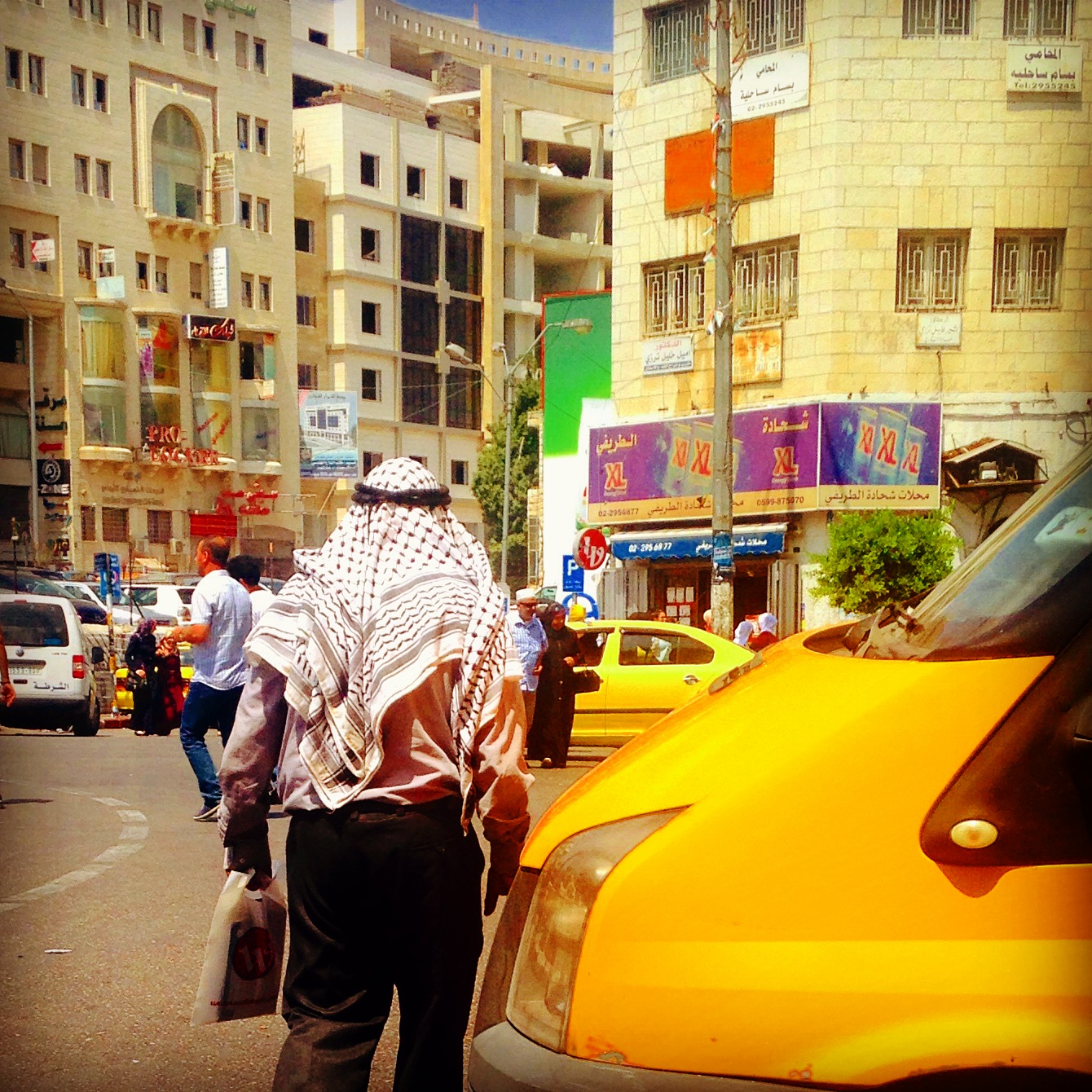
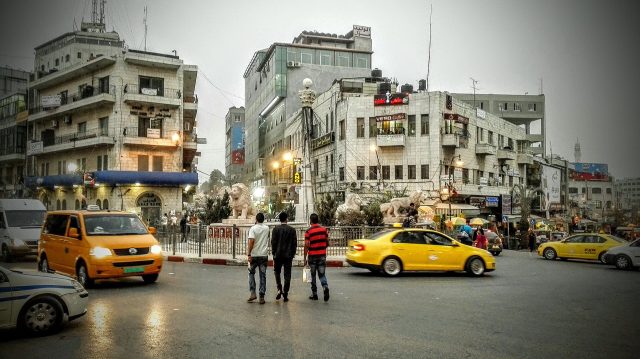
Ramallah, the city that surrounds the mausoleum, offers a different perspective on Palestinian life. Unlike the dense, historic streets of Jerusalem or the religious significance of Bethlehem, Ramallah is a place of relative normalcy, a city that has carved out a space for itself amid the occupation. It’s a hub for NGOs, media outlets, and cultural institutions, a place where young Palestinians gather in cafes, where art galleries and theaters thrive, and where the rhythms of daily life persist despite the larger political realities. The mausoleum, then, exists in this context—a reminder of the past, but also a counterpoint to the present. It’s a place where history is not just remembered but actively engaged with, where visitors can grapple with the complexities of a struggle that is far from over.
The mausoleum is open to the public, though access can be restricted depending on the political climate. There are no formal visiting hours or entry fees; it’s a place that operates on a more informal basis, reflecting the realities of life in the West Bank. Security is often present, a reminder of the tensions that still simmer beneath the surface. For those who do visit, the experience is less about tourism and more about bearing witness. The site doesn’t offer the kind of curated historical narrative you might find in a museum. Instead, it invites visitors to form their own impressions, to sit with the weight of history and consider what it means to stand in a place where so much has been decided—and so much remains unresolved.
In the end, the mausoleum is a place of quiet power. It doesn’t demand attention the way more grandiose memorials might, but it lingers in the mind long after you’ve left. Perhaps that’s because it’s not just about Arafat himself, but about the ideas he represented: resistance, identity, the dream of statehood. Those ideas are still very much alive in Ramallah, in the conversations you overhear in cafes, in the way people move through the city, in the resilience of a place that refuses to be defined solely by conflict. The mausoleum stands as a testament to that resilience, a small but enduring marker of a story that is still being written.