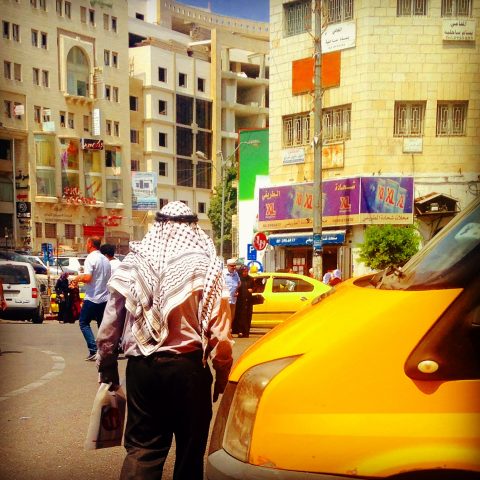
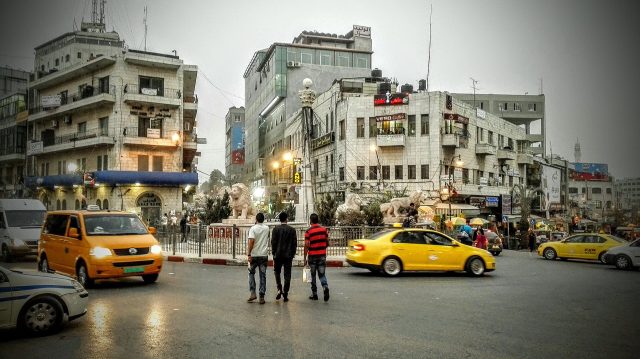
Ramallah is a city where the weight of history and the pulse of modern life intersect in unexpected ways. Among its quiet streets and bustling markets, the Mahmoud Darwish Museum stands as a tribute to one of the most celebrated voices of Palestinian literature. The museum is not just a collection of artifacts but a space where poetry, politics, and personal memory intertwine, offering visitors a glimpse into the life and legacy of a man whose words became a symbol of resilience and identity for generations.
Mahmoud Darwish was born in 1941 in the village of al-Birwa, which was destroyed during the 1948 war. His family fled to Lebanon, and like many Palestinians, he grew up in exile before eventually returning to the region. His poetry, often described as the unofficial anthem of Palestine, captured the complexities of displacement, longing, and the struggle for homeland. Works like *Identity Card* and *A Lover from Palestine* resonated far beyond the Arab world, earning him international acclaim while remaining deeply rooted in the Palestinian experience. The museum in Ramallah is one of the few places where his personal story and his literary contributions are preserved in a way that feels both intimate and expansive.
The building itself is modest but thoughtfully designed, blending contemporary architecture with subtle nods to traditional Palestinian aesthetics. The exterior is unassuming, with clean lines and a facade that doesn’t immediately announce its significance. Inside, the space unfolds in layers—some rooms are dedicated to Darwish’s manuscripts, handwritten notes, and early drafts of his poems, while others display personal belongings, photographs, and letters that offer a more human portrait of the poet. The museum doesn’t overwhelm with grandeur; instead, it invites reflection, with exhibits arranged to encourage visitors to linger over the details.
One of the most striking aspects of the museum is how it balances the public and private dimensions of Darwish’s life. His poetry is often associated with political themes, but the exhibits also reveal his quieter moments—his love of music, his friendships with other writers and artists, and his deep connection to the landscapes of Palestine. A section of the museum is devoted to his travels, with maps and photographs tracing his journeys across the Middle East, Europe, and beyond. These displays don’t just chronicle his movements; they illustrate how his experiences abroad shaped his perspective, even as his work remained anchored in the Palestinian narrative.
The museum also serves as a cultural hub for Ramallah, hosting readings, lectures, and small gatherings that keep Darwish’s legacy alive in the community. The events are often informal, drawing local poets, students, and curious visitors who come to engage with his work in a more dynamic way. The atmosphere is far from stuffy or overly academic; instead, it feels like a living extension of Darwish’s own spirit—open, inquisitive, and deeply human. For those who never had the chance to hear him read or meet him in person, these moments offer a way to connect with his ideas beyond the printed page.
What makes the museum particularly compelling is how it situates Darwish within the broader context of Palestinian history and culture. His poetry didn’t exist in a vacuum; it was shaped by the events of his time, from the Nakba to the Oslo Accords, and in turn, it helped shape how Palestinians saw themselves and their place in the world. The exhibits don’t shy away from these connections, but they also don’t reduce his work to mere political commentary. Instead, they present it as part of a larger tapestry—one that includes the voices of other Palestinian writers, artists, and thinkers who have grappled with similar questions of identity and belonging.
Visiting the museum is a quiet experience, one that doesn’t demand loud declarations or grand gestures. The space is designed to let the work speak for itself, whether through the carefully preserved pages of a poem or the simple elegance of a display case holding a pair of his glasses. There’s a sense of reverence here, but not the kind that feels forced or performative. It’s the kind that comes from recognizing the power of words to hold memory, to challenge, and to console. For many Palestinians, Darwish’s poetry is more than literature; it’s a lifeline, a way of articulating what might otherwise remain unsaid.
The museum’s location in Ramallah is no accident. The city has long been a center of Palestinian cultural and political life, a place where artists, activists, and intellectuals have gathered to debate, create, and resist. Darwish himself spent time here, and the museum feels like a natural extension of that history. It’s not a tourist attraction in the traditional sense, but rather a place for those who seek a deeper understanding of what it means to be Palestinian. Whether you’re familiar with his work or encountering it for the first time, the museum offers a way to engage with the ideas that have shaped a nation’s collective consciousness.
In the end, the Mahmoud Darwish Museum is more than a memorial. It’s a reminder of how art can transcend borders, how poetry can become a form of resistance, and how a single voice can echo across generations. The exhibits don’t provide easy answers, nor do they try to. Instead, they invite visitors to sit with the questions that Darwish himself wrestled with—questions about home, exile, love, and loss. For those who take the time to listen, the museum offers something rare: a space where the past and present coexist, where the personal and the political intertwine, and where the power of words feels as immediate as the air in the room.