Victoria Beach is one of those quiet corners of Cambodia where the sea meets the land without fanfare. It sits in the coastal town of Preah Sihanouk, a place that doesn’t feel like the country’s usual tourist hubs. There are no ancient temples here, no crowds of pilgrims—just long stretches of sand, a slow pace of life, and the sense that time moves a little differently than it does in Phnom Penh or Siem Reap. Victoria isn’t the most famous beach in Cambodia, and that’s exactly what makes it special. It’s a place where you can lie on the sand, listen to the waves, and not worry about what comes next.
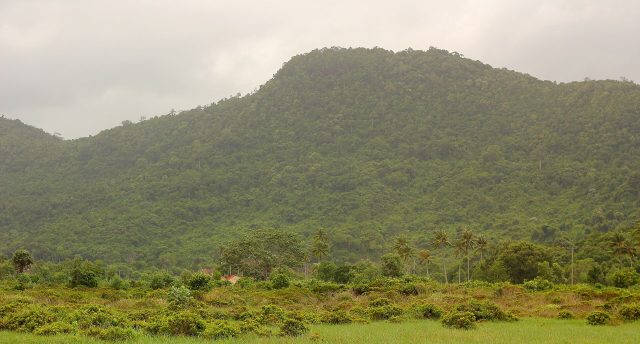
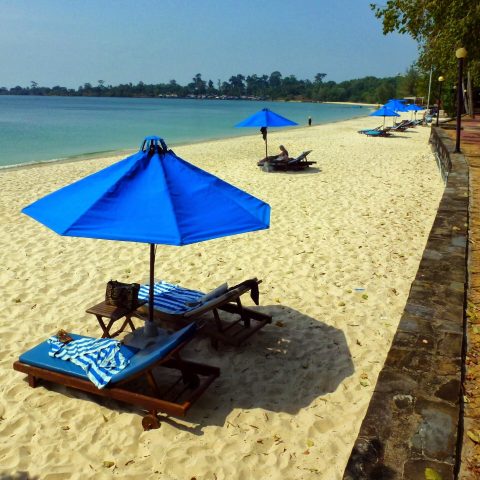
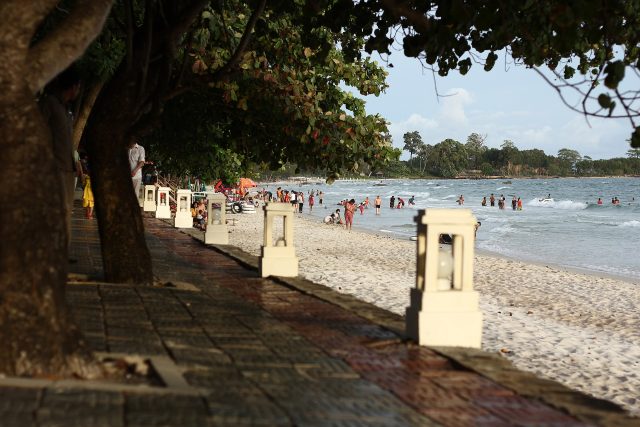
The beach runs for several kilometers along the shore, and even in peak season, it rarely feels crowded. The sand is pale, almost white, and the water is clear, though not the perfect turquoise you’d find on Thailand’s islands. Palm trees line the coast, but they don’t provide much shade, so the sun feels strong and unfiltered. Local fishermen sometimes drag their boats onto the sand, and if you’re lucky, you might see them mending nets or preparing their catch right on the beach. It’s these small, unscripted moments that give Victoria its sense of authenticity—something that’s hard to find in places where every inch of sand is claimed by sunbeds and beach bars.
Preah Sihanouk’s history as a resort town is relatively recent. In the mid-20th century, it was little more than a fishing village, but everything changed when King Norodom Sihanouk decided to turn it into Cambodia’s main seaport in the 1950s. Along with the port came roads, hotels, and, of course, beaches. Victoria was one of the first spots to attract visitors—first locals, then foreigners. Back then, Cambodia was still open to the world, and Preah Sihanouk felt like a place where industrial progress and tropical ease could coexist. Today, only a few buildings from that era remain, but the spirit of change still lingers along the coast.
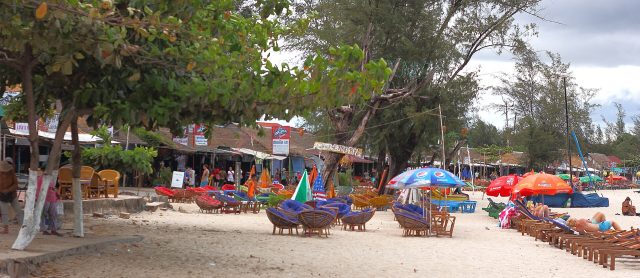
The architecture around Victoria Beach doesn’t aim for grandeur. There are no marble-facade luxury hotels like in Dubai or boutique villas like in Bali. Instead, the shore is lined with low-slung bungalows, wooden terrace cafes, and small family-run guesthouses. Many of these were built in the 1990s or early 2000s, when tourism in Cambodia was just starting to recover after decades of isolation. Their style is simple—bright colors, tiled roofs, open verandas where you can sit with a drink and watch the sunset. There’s a sense of impermanence to it all, as if the town and the beach are still figuring themselves out.
Victoria isn’t the kind of place where you’ll find nonstop entertainment. There are no water parks, loud nightclubs, or organized tours. But you can rent a motorbike and explore the area—abandoned beaches to the north, fishing villages, or small islands reachable by boat. Locals often recommend Otres Beach, just a short distance away, which is livelier but still far from the crowds of other Southeast Asian hotspots. If you want real quiet, though, Victoria is the better choice. You could spend an entire day here without seeing a familiar face.
The climate in Preah Sihanouk is tropical, with a clear divide between dry and rainy seasons. The best time to visit is from November to March, when rain is rare and temperatures hover around 28–32°C. The sea is calm, and the water is warm. From May to October, the monsoon season brings frequent but short downpours, and the sea gets rougher. Even then, sunny days aren’t uncommon, and prices for accommodation and services drop. Some say the beach is especially beautiful during this time—palm trees swaying in the wind, skies shifting between storm clouds and sunshine.
Food at Victoria Beach is worth mentioning on its own. Dozens of small cafes and restaurants line the shore, serving simple but flavorful dishes. You can try classic Khmer food like fish amok, steamed in banana leaves, or a tangy pineapple and seafood soup. Many places specialize in fresh seafood—shrimp, squid, crab—caught by local fishermen. Prices are lower than in tourist-heavy areas, and the quality is just as good. In the evenings, grilled seafood stalls pop up along the beach, their smoke mixing with the salty breeze.
Victoria Beach won’t impress you at first glance. There are no dramatic landscapes, historic landmarks, or exotic attractions. But that’s the point. It’s a beach for those who are tired of the hustle, who want to be alone with the sea and the sky, who appreciate quiet beauty and a slow rhythm. Here, you can forget about time, about plans, about the need to rush. You can just sit on the sand, watch the horizon, and think about how little it takes to be content. In a world where more and more places feel like tourist attractions, Victoria remains a corner of real life—unassuming, peaceful, and genuinely alive.