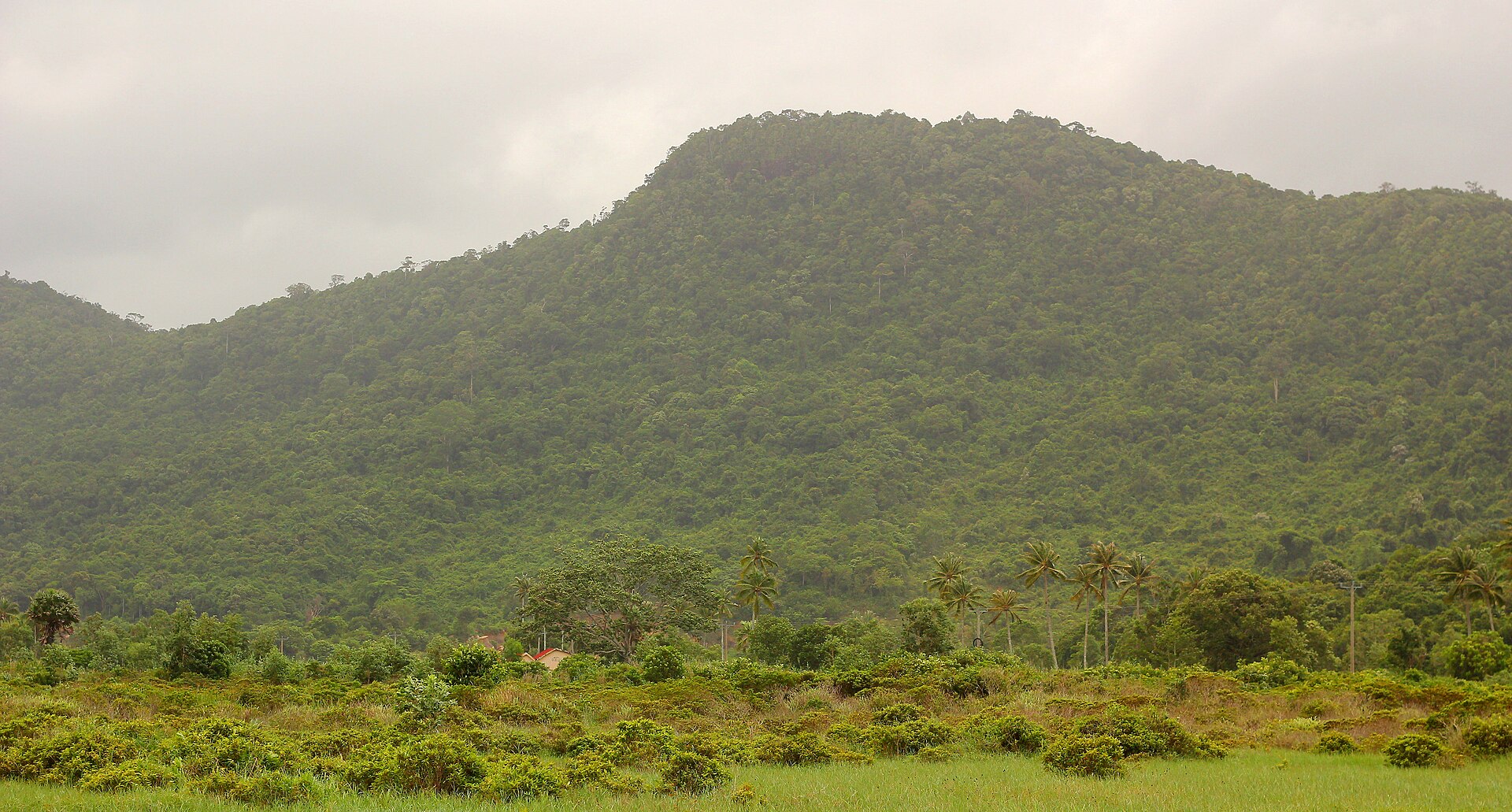
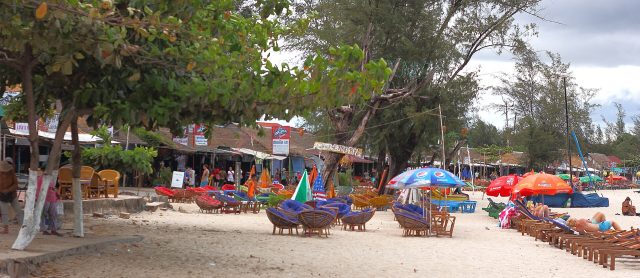
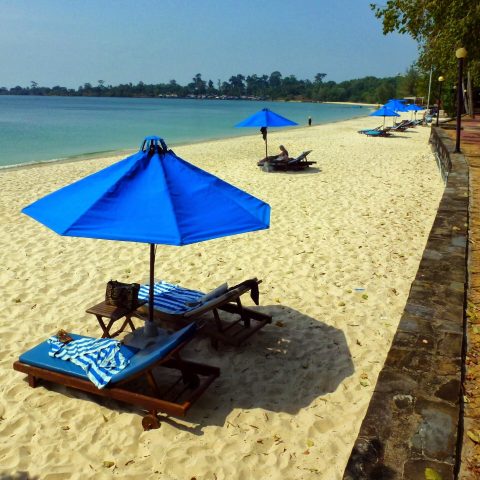
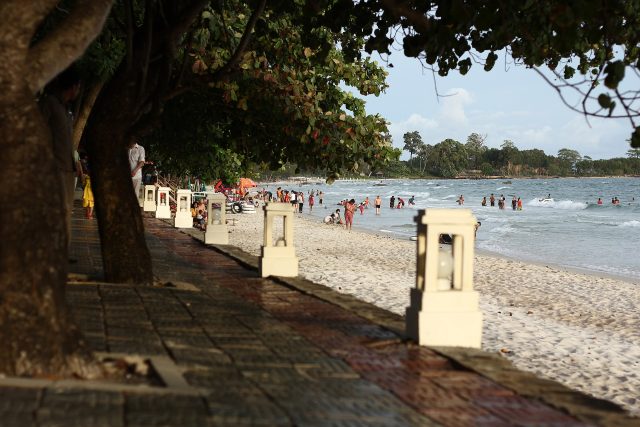
Ream National Park is one of Cambodia’s last quiet places, where the land shapes daily life. Along the coast of the Gulf of Thailand near Sihanoukville, the park combines mangrove swamps, beaches, and tropical forests. The landscape has remained largely unchanged for centuries. There are no crowds, no resorts, no vendors—only waves, leaves, and bird calls. Unlike other protected areas in Southeast Asia, Ream doesn’t rely on spectacle. It offers a view of Cambodia before mass tourism.
Established in 1993, the park was part of Cambodia’s post-conflict recovery. The country was rebuilding, and setting aside this coastline aimed to preserve its natural heritage. Covering nearly 200 square kilometers, Ream includes land, coastal waters, and small islands. The ecosystems here are fragile, home to species that have disappeared elsewhere. In the mangroves, long-tailed macaques move through the branches. The riverside forests were once home to Javan rhinos, though sightings are now rare. Over 100 bird species live here, from kingfishers to sea eagles.
The Prek Teuk Sap is the park’s largest river.
It winds through mangroves before reaching the gulf, creating a network of channels where water shifts between fresh and salt with the tides. Local fishermen navigate these waters in wooden boats, using handwoven nets. At dawn, you might see one gliding along the river. Small villages line the shore, where life follows the seasons. Houses stand on stilts, fishing nets dry in the sun, and the only sounds are looms or a distant motorbike.
The park’s islands feel remote. Koh Seh, the most visited, is forested and surrounded by coral reefs. There are no hotels, only a few basic huts for overnight stays. The water around the island is clear, shifting from turquoise to deep blue. Marine life includes parrotfish, sea turtles, and occasional dolphins. The reefs are less colorful than those in Thailand or Indonesia, but they remain untouched by tourism.
The tropical forests of Ream are dense with vines, ferns, and tall trees. Orchids grow on branches, and the air smells of damp earth and flowers, especially during the rainy season. In the dry months, animals gather at watering holes. Wild pigs and deer are common, while leopards, though present, are rarely seen. The forest floor is alive with insects, and lizards rustle in the undergrowth.
To explore, you can take a boat trip along the Prek Teuk Sap to Koh Seh’s beach. Hiking trails lead to viewpoints over the gulf. Local guides know the park well. They point out animal tracks, identify edible plants, and share stories of life before the park existed. In the villages, traditions endure. Fishermen use old methods, and women weave fabric from natural fibers, as they have for generations.
Ream isn’t for those seeking entertainment or photo opportunities. There are no attractions, shops, or bars. What it offers is something quieter: the chance to feel part of something vast. In the early morning, mist lingers over the water. By evening, stars appear, and waves grow louder. The park doesn’t try to impress—it simply exists.
Visiting requires preparation. Roads are unpaved, and phone signal is unreliable. The best time to go is from November to April, when trails are dry and mosquitoes are fewer. Bring water, light clothing, and insect repellent. English isn’t widely spoken, so a few Khmer phrases help. In villages, you can buy fresh fruit or fish, but don’t expect restaurants. You adapt to the environment here.
Ream shows another side of Cambodia, beyond Angkor Wat and cities. It’s a place where nature still sets the rules. For those who want to step off the usual path and remember what it’s like to be a guest in the natural world, Ream remains honest and unspoiled.