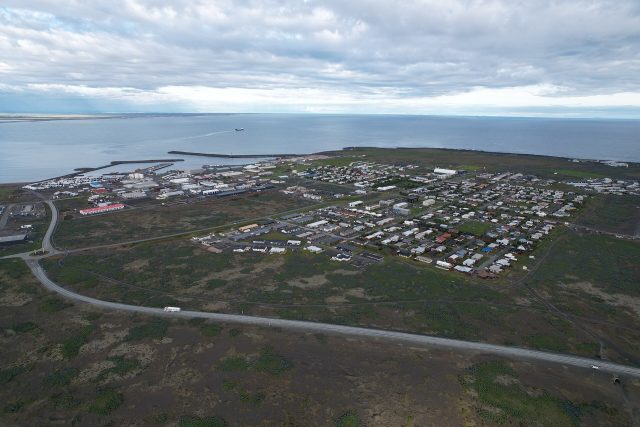
Þorlákshöfn is one of those quiet corners of Iceland where the land feels older than time. The ocean meets volcanic earth along the southern coast, gentle and untamed. There are no crowded beaches here—just waves against black sand and gulls circling overhead. The town is small, a scattering of brightly painted houses against dark cliffs, where life moves to the pace of the tides.
The beach is fine, dark sand. It tells a story of Iceland’s volcanic past. Lava cooled and shattered into tiny grains over centuries, creating a shoreline that looks like crushed charcoal. On clear days, the sea’s deep blue contrasts with the black sand, waves breaking into froth against the rocks. In winter, snow dusts the sand, and waves turn heavy and gray, rolling in with force.
Þorlákshöfn was once a fishing village. Wooden boats and later trawlers set out into the North Atlantic for cod, herring, and halibut. The harbor still holds a few small vessels. The old wooden warehouses along the shore stand as reminders of when fish was the country’s lifeblood. Fishing is still part of life here, though not as it once was. The town moves to the rhythm of the sea, boats dictating the day’s pace.
The architecture is simple, built to withstand the elements. Houses are low and sturdy, their bright red, blue, and green roofs standing out against the landscape. The local church is modest but central. These small churches have long been gathering spots, shelters, and symbols of resilience in a land where nature often decides.
This isn’t a beach for swimming. The water is cold year-round, and currents can be unpredictable. But that’s why it appeals. Þorlákshöfn is for those who want to step away from the usual tourist trail and see Iceland as it is—raw and quiet. You can walk along the shore, watching seabirds nest on cliffs or scanning the horizon for whales. Sometimes a humpback surfaces just beyond the waves, and for a moment, everything else disappears.
Winter brings storms. Waves crash against rocks in towering walls of spray. Locals know to keep their distance when the wind howls—saltwater freezes on clothes, and gusts can knock you off your feet. Even in bad weather, the sea and sky merging into gray is mesmerizing. In Iceland, nature isn’t just admired; it’s lived with every day.
There are no luxury hotels here, just a few cozy cafés where you can warm up with coffee and fresh fish. The local museum shows the town’s fishing history, with exhibits on boats, gear, and the lives of those who relied on the sea. It’s small but tells a story of hard work and endurance.
Þorlákshöfn is also a gateway to southern Iceland’s sights. The glacier Mýrdalsjökull and waterfall Skógafoss are nearby. But many visitors linger, drawn back to the beach’s quiet or the town’s unhurried pace. This place makes you want to stay longer, to watch the light change over the water or listen to the wind.
If you come, don’t rush. Walk the beach, let the waves fill your ears, and watch the light on the water. Time feels different here—slower, deeper. It’s not the Iceland of postcards, but the one beyond them: a land of quiet strength, where beauty waits for those who look.