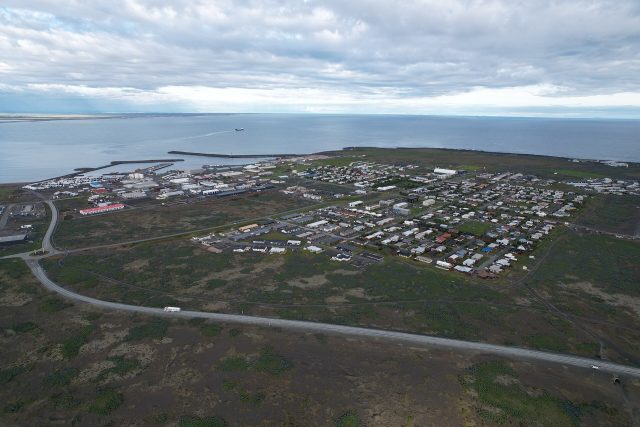
The Thorlákshöfn Museum is one of those quiet, unassuming places that lingers in your memory long after you’ve left. Tucked away on Iceland’s eastern coast, far from the well-trodden paths of Reykjavík or the dramatic waterfalls of the south, it offers a glimpse into a way of life that has shaped the country’s identity. Thorlákshöfn itself is a small fishing village where time moves at its own pace—houses scattered along a rocky shoreline, the air thick with the scent of salt and seaweed, and the distant sound of waves breaking against the cliffs. The museum occupies an old schoolhouse, a building that once echoed with the voices of children and now holds the stories of the people who called this place home.
The museum’s origins are deeply tied to Thorlákshöfn’s history as a fishing hub. In the early 20th century, this was one of the most important ports on the eastern coast, where men set out to sea in wooden boats, risking everything for a catch that would feed their families and supply markets beyond Iceland’s shores. The exhibits here bring that era to life through photographs, tools, and personal belongings—fishing nets patched and repatched, harpoons worn smooth by use, and models of the boats that once dotted the harbor. One corner of the museum recreates a fisherman’s home, a simple space with a cast-iron stove for cooking and narrow beds where men would collapse after days at sea. It’s a stark reminder of how hard life could be, but also of the resilience that kept these communities going.
What makes the museum particularly moving are the stories of shipwrecks and survival. The waters off Iceland’s coast have always been treacherous—storms, fog, and hidden reefs claimed countless vessels over the years. The museum preserves fragments of these tragedies: salvaged items from sunken ships, logbooks with entries cut short, and firsthand accounts from those who lived through the disasters. These exhibits don’t just document loss; they speak to the bonds that held small communities together. When a boat went down, everyone in the village felt it. Neighbors would search the shoreline for survivors, families would mourn together, and the memory of those lost would become part of the town’s collective history.
The building itself is a piece of history. Constructed in the early 1900s, it’s a classic example of Icelandic rural architecture—wooden walls painted in dark, traditional hues to withstand the elements, a low-slung roof designed to deflect the wind, and large windows to capture as much light as possible during the short winter days. Inside, the high ceilings and wooden floors still carry the echoes of the school it once was. Some of the original desks remain, now repurposed to display artifacts, and if you stand quietly, you can almost imagine the sound of children’s laughter filling the room.
Beyond fishing, the museum paints a broader picture of life in Thorlákshöfn through the decades. Exhibits showcase the everyday tools that kept households running—coal-heated irons, spinning wheels for wool, and clay pots for cooking. There are displays on how people endured the long, dark winters, when snowdrifts could cut off the village for weeks and the only connection to the outside world was the occasional radio broadcast. In such isolation, self-reliance was everything, and the museum highlights how these conditions shaped local traditions, from food preservation to storytelling.
A separate section is dedicated to the natural world of eastern Iceland. Here, you’ll learn about the hardy plants that cling to the rocky soil, the seabirds that nest on the cliffs, and the marine life that has sustained the region for centuries. Whales, seals, and fish take center stage, their stories intertwined with those of the people who depended on them. The exhibits also touch on Icelandic folklore, like the tales of sea monsters said to lurk in the deep or the hidden folk believed to inhabit the caves along the coast. These myths weren’t just stories—they were a way of making sense of a landscape that could be as generous as it was unforgiving.
What sets the Thorlákshöfn Museum apart is its intimacy. There are no crowds here, no rush to move from one display to the next. You can take your time, reading the labels, examining the artifacts, and soaking in the atmosphere. The staff, many of whom grew up in the village, often share stories that aren’t on the plaques—anecdotes about their grandparents, memories of how the town has changed, or even old family photographs they’ve brought in to show visitors. It’s the kind of place where history feels alive, not just preserved behind glass.
Thorlákshöfn and its museum offer something rare: a chance to experience Iceland beyond the postcard images. There are no geysers or glaciers here, no dramatic landscapes that draw busloads of tourists. Instead, there’s something far more valuable—the authenticity of a place that has remained largely unchanged by time. The museum doesn’t just tell the story of a fishing village; it reveals the quiet strength of the people who built it, generation after generation. It’s a reminder that Iceland’s true heart lies not just in its breathtaking scenery, but in the resilience and traditions of its communities. Visiting here isn’t just about seeing; it’s about understanding.