Tintagel Beach is where the sea meets myth. A narrow strip of sand and pebbles lies at the foot of jagged cliffs, once home to a fortress tied to the legend of King Arthur. The wind carries salt spray, and the crash of waves makes it easy to imagine medieval knights scanning the horizon for returning ships or enemy sails. The beach itself is small, but its setting gives it a weight beyond its size—caught between the ocean and history, even on quiet days, the past feels close enough to touch.
Reaching the shore isn’t straightforward. A steep, winding path cuts down through rocks and heather, slippery after rain, with the tide sometimes cutting off the only way back. That difficulty is part of its charm. There are no crowds here, no sun loungers or beach umbrellas—just the sea, the wind, and those willing to make the effort. The reward is a place that feels untouched, where the only sounds are the gulls and the rhythm of the waves.
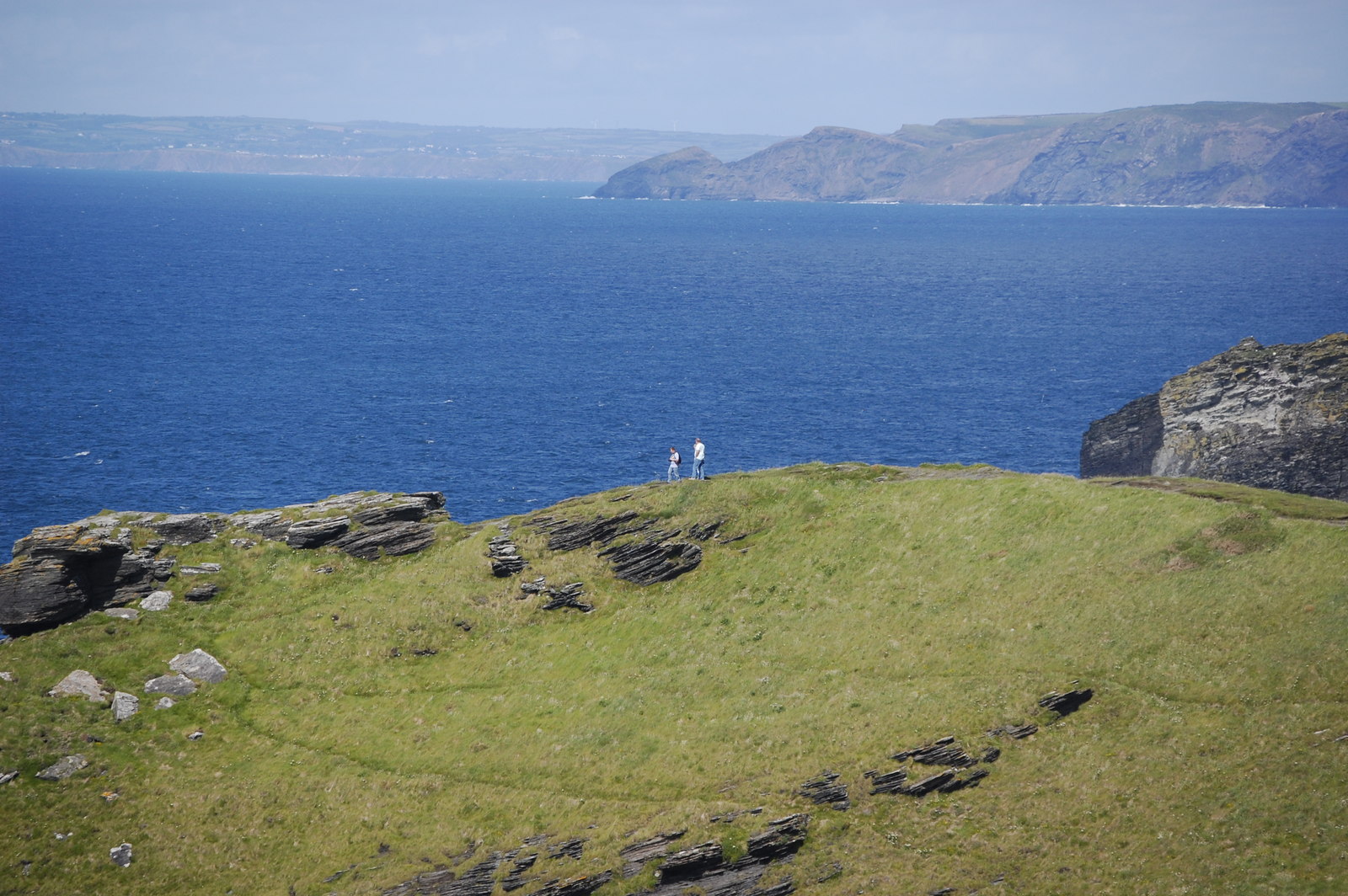
Dark slate cliffs rise sharply around the beach, their sheer faces looming like the walls of an ancient stronghold. At low tide, the water recedes to reveal small caves and arches carved by centuries of waves. The water stays cold even in summer, but on clear days, it takes on an impossible turquoise hue, especially when sunlight filters through the shallow surf. Few swim here, but those who do say it feels like stepping into the pages of a story.
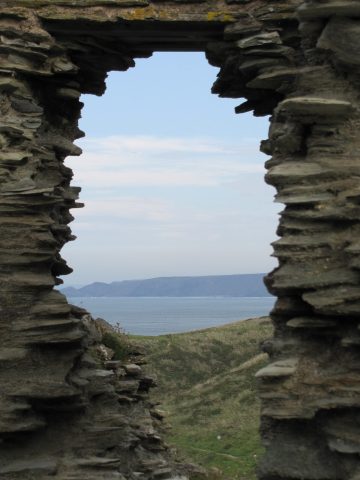
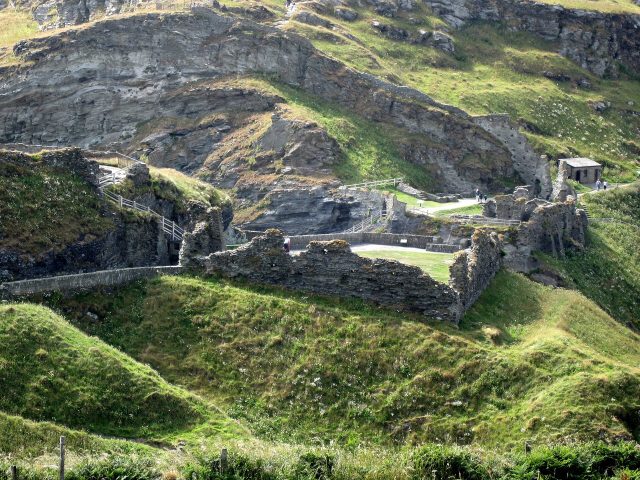
Above the beach, the ruins of Tintagel Castle dominate the headland. Archaeologists have found evidence of a fortified settlement here as far back as the 5th and 7th centuries—long before medieval writers linked it to Arthur. The site may have been a royal residence or a trading post, connecting Cornwall to the Mediterranean. Today, only fragments of walls and foundations remain, but they’re enough to spark the imagination. Standing on the beach, looking up at the ruins, it’s easy to picture the bustle of life that once filled this place.
The legends of King Arthur give Tintagel its mystique. According to the tales, Merlin hid the infant Arthur in a cave beneath the castle to protect him from enemies. Later, as king, Arthur returned, and Tintagel became a symbol of his reign. Historians debate how much truth lies in these stories, but for many visitors, the myths are what make the place special. Every rock seems to hold a secret, and the sound of the waves feels like an echo of ancient battles.
This isn’t a resort beach with manicured promenades or restaurants. There’s no infrastructure beyond a small car park at the trailhead and a few signs. That lack of development is part of the appeal—it draws those who want authenticity over comfort. On clear days, the view stretches endlessly over the Atlantic, where the horizon blurs into the sky. In storms, waves crash against the cliffs with a force that reminds you of nature’s power. Locals say the best time to visit is early morning or sunset, when the light turns the cliffs gold and pink.
For walkers, the area offers plenty of trails. The coastal path winds along the cliffs, offering sweeping views of the ocean. On a good day, you can see for miles, watching the sea carve new shapes into the rock below. Sometimes sheep graze along the slopes, unbothered by visitors. The landscape feels wild but welcoming, a place where the past and present coexist.
Tintagel Beach is where history and nature intertwine so closely that they become one. There are no flashy attractions or distractions, just the raw beauty of the coast and the weight of centuries. It’s a place for those who want to listen to the waves and imagine the voices of people who lived here long ago. That’s why Tintagel remains one of Cornwall’s most memorable spots—a place where you can feel part of something bigger than just a holiday.