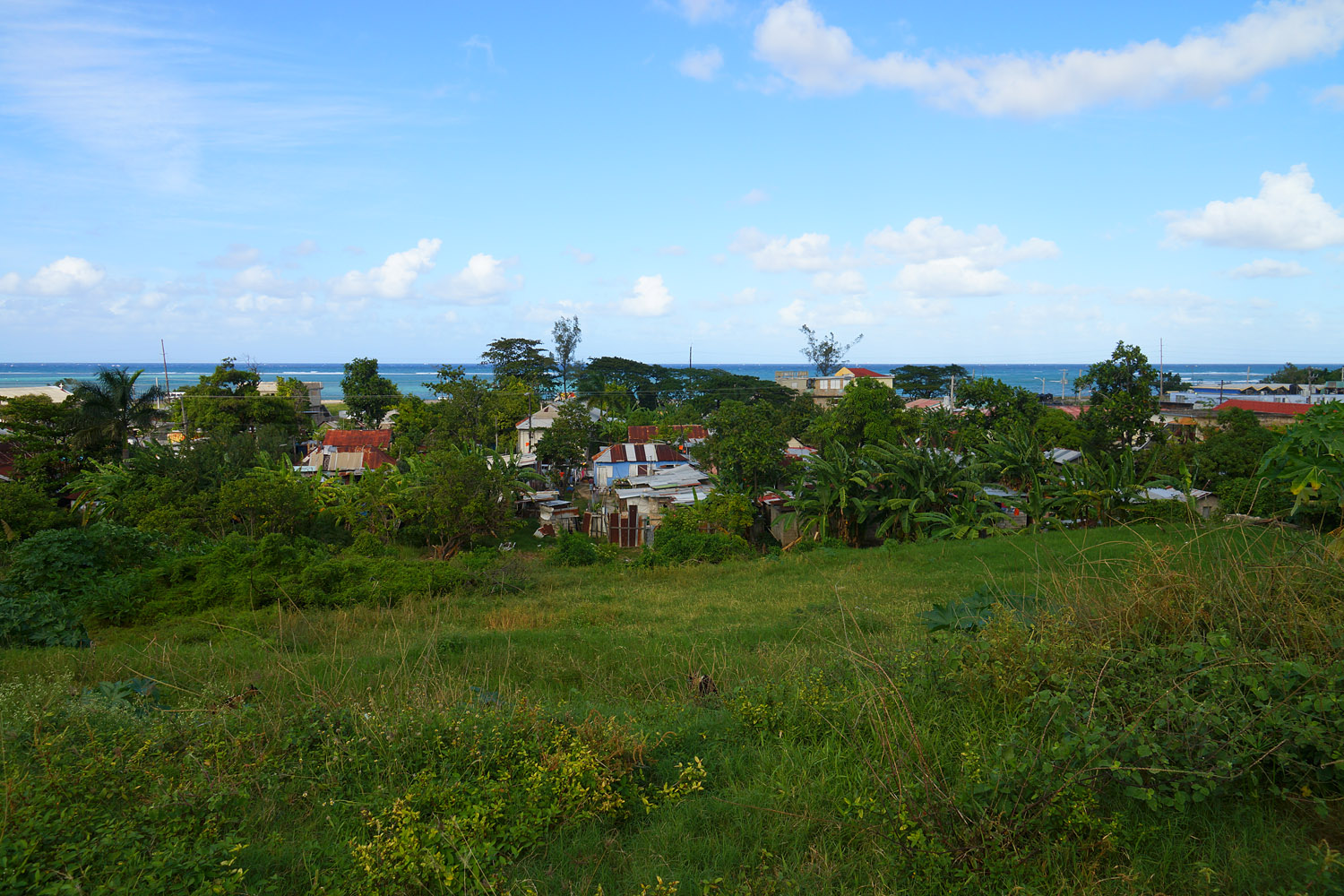
Saint Ann’s Bay Beach is one of those places where time seems to slow down, and the sea stretches endlessly before you. Tucked along Jamaica’s north coast, it lies in a small town that still carries the unhurried rhythm of the island’s past. Unlike the crowded resorts of Montego Bay or Ocho Rios, this beach offers wide-open sands framed by swaying palms and water that shifts from turquoise to deep blue depending on the light. It’s not a place you’ll find on every tourist itinerary, and that’s exactly what makes it special—a quiet corner where the Caribbean feels real, not staged.
The history of Saint Ann’s Bay runs deeper than its shoreline. In the 16th century, Spanish conquistadors landed here, making it one of the first European settlements on the island. Later, the British took control, and the town that grew from those colonial roots still bears traces of its layered past. Low stone buildings with wooden shutters line the streets, remnants of a time when Jamaica was a key outpost of the British Empire. The beach itself, though, remained a humble place—used by fishermen and locals for generations, far from the grand narratives of history.
Today, the beach is a place where visitors and Jamaicans coexist without fuss. Early mornings belong to the fishermen, who push their brightly painted wooden boats into the water before dawn and return by midday with their catch. Their nets and gear lie scattered on the sand, and nearby stalls sell fresh fish, lobster, and conch. There are no high-end restaurants here, just simple spots where you can try fried fish with fiery jerk sauce, crispy fish fritters called *ackra*, or a coconut split open with a machete right in front of you. The food isn’t fancy, but it tastes like the sea and the island itself.
The sand here is soft and pale, almost white but not as fine as the powdery shores of Negril. It crunches slightly underfoot, and by midday, it’s warm enough to make walking barefoot a challenge. The water is clear, though not always calm—waves roll in, sometimes bringing seaweed or driftwood with them. Locals say this is just the ocean breathing, and they take it in stride. If you want to swim, the best time is early morning, when the sea is at its gentlest.
A seaside promenade runs along the beach, a quiet place to walk as the sun dips below the horizon. There are no crowds here, just a few people sitting on wooden benches or the sand, watching the sky turn gold and pink. Occasionally, cyclists pass by, and children kick a soccer ball around a small patch of grass nearby. In the evenings, bonfires flicker to life, and musicians gather to play drums and guitars. The sound of the waves blends with the music, creating a rhythm that feels both ancient and alive.
Saint Ann’s Bay isn’t a place for those looking for nightlife or luxury. There are no water parks, no high-end spas, no all-inclusive resorts with endless entertainment. Instead, there’s the kind of quiet that lets you hear the gulls overhead and the rustle of palm fronds in the breeze. You can lie on the sand and listen to the waves, or rent a boat to visit a small island just offshore. There’s no pressure to do anything at all—just the chance to slow down and let the place work its way under your skin.
The town behind the beach is small but full of life. A colonial-era church stands in the center, its stone walls weathered by time, and nearby, a market sells spices, tropical fruits, and handmade crafts. The people here are friendly without being pushy. They’ll show you how to crack open a coconut or recommend a spot for dinner, but they won’t try to sell you anything. There’s no sense of performance, no feeling that you’re being catered to—just the easy flow of daily life, which you’re welcome to join for a while.
If you’re deciding between the bustle of Jamaica’s tourist hubs and this quiet stretch of coast, Saint Ann’s Bay is for those who want something different. It’s not about ticking off sights or filling your days with activities. You could spend hours doing nothing at all and still feel like you’ve experienced something real. That’s the beauty of it—the way it lets you step out of time and simply be. No agenda, no rush, just the sand, the sea, and the slow, steady pulse of the island.