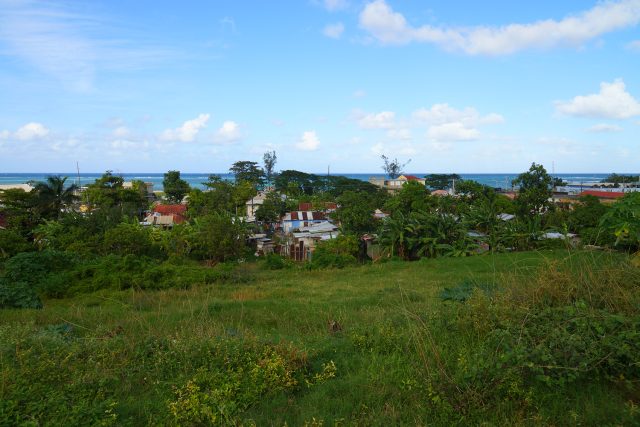
Bob Marley’s home in Saint Ann’s Bay isn’t just a museum—it’s the house where he spent his final years, and stepping inside feels like walking into a living piece of history. The walls, the furniture, even the air itself seem to carry the weight of his presence, as if the music and memories have settled into every corner. The house originally belonged to Chris Blackwell, the founder of Island Records, who played a pivotal role in bringing reggae to the world. Marley moved here in the late seventies, when his fame had already spread across continents, yet Jamaica remained the only place he truly called home.
From the outside, the building looks unassuming—a typical two-story Jamaican house with a veranda, surrounded by lush tropical greenery. But inside, the space is rich with meaning. The ground floor holds the recording studio where Marley worked on his last albums, its walls lined with instruments, stage outfits, and personal belongings that tell their own stories. His guitars lean against the walls, their worn frets evidence of countless hours spent playing. Upstairs, his bedroom remains almost exactly as it was during his final months, a quiet and intimate space that feels strangely alive.
What makes this museum different is its refusal to turn Marley into a distant icon. Instead, it preserves the human side of him—family photos, his children’s drawings, handwritten lyrics scribbled on scraps of paper. The guides, many of whom knew him personally, share stories that go beyond his music. They talk about his love for football, how he’d kick a ball around the yard with friends, or the way he’d cook for guests, his hands moving with the same rhythm he brought to his songs. These small details make the visit feel less like a tour and more like a conversation with someone who, despite his global fame, never lost touch with the simple joys of life.
For Jamaica, Bob Marley is more than a musician—he’s a symbol of national identity, a voice for the struggles and hopes of his people. His songs became anthems of resistance and unity, and his image an embodiment of the island’s spirit. The museum in Saint Ann’s Bay plays a crucial role in keeping that legacy alive. It hosts educational programs for local schoolchildren, intimate concerts by Jamaican artists, and gatherings with those who knew Marley best. These efforts help younger generations understand why his music still resonates, why his words still matter.
Visiting the museum is also a chance to step into the Jamaica of Marley’s time. The trees around the house are the same ones that stood when he lived here, their leaves rustling in the same warm breeze. The air carries the scent of spices and coffee, just as it did when he sat on the veranda, looking out at the sea. The small café on the grounds serves traditional Jamaican dishes, while the gift shop offers records and books for those who want to take a piece of his story home. But the real takeaway isn’t something you can buy—it’s the sense of connection to something authentic, a history that hasn’t faded with time.
The museum doesn’t try to impress with grandeur or flashy exhibits. There are no interactive displays or high-tech installations, just a quiet, sincere effort to preserve the essence of the place and the man who filled it with life. For reggae fans, it’s a pilgrimage site, but even those unfamiliar with his music will find something meaningful here. Marley’s story isn’t just about music—it’s about a man who brought people together, bridging cultures and beliefs with nothing more than his voice and his guitar.
Saint Ann’s Bay itself is a small town on Jamaica’s north coast, and Marley’s museum is one of its main attractions. Yet there’s none of the hustle or crowds you’d find in the island’s resort areas. Everything moves at a slower pace, as if time itself has settled into the rhythm of the place. Visitors can wander the quiet streets, browse the local market, or simply sit by the shore, listening to the waves. It’s a place for those who want to experience Jamaica beyond the postcards—for those who want to feel the heartbeat of the island that gave the world not just reggae, but one of its most enduring voices.