Lamu’s Shela Beach is a place where time moves differently. No crowds, no bars, no schedules—just the ocean and the sound of palm fronds in the wind. This stretch of sand on the island’s eastern shore has kept the slow pace of old East Africa.
The beach curves along the coastline where the Indian Ocean meets the land. The sand is pale gold, warm after a swim, cool underfoot as the sun sets. At high tide, the water is calm. When the tide recedes, it leaves shallow pools and exposed coral, where fish dart and crabs scurry. Walking through the shallows feels like stepping into another world, one the ocean reveals for a few hours before taking it back.
Sometimes, a dhow passes by, its sail catching the wind. These wooden boats have been part of Lamu’s life for centuries, carrying fishermen or goods between the island and the mainland. When they return, the beach stirs—the sound of voices, the creak of wood, children playing near the water. Then the quiet returns.
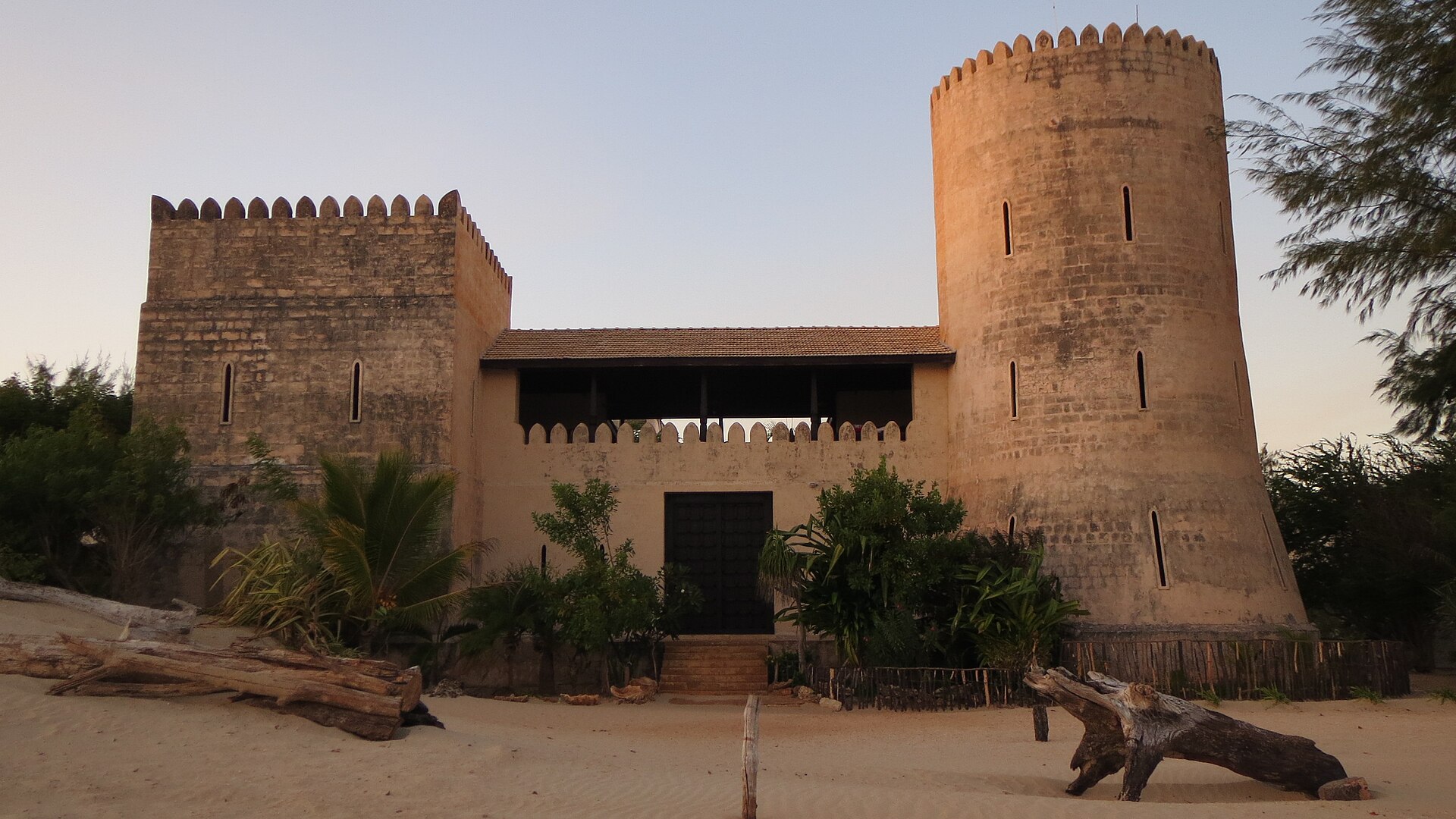
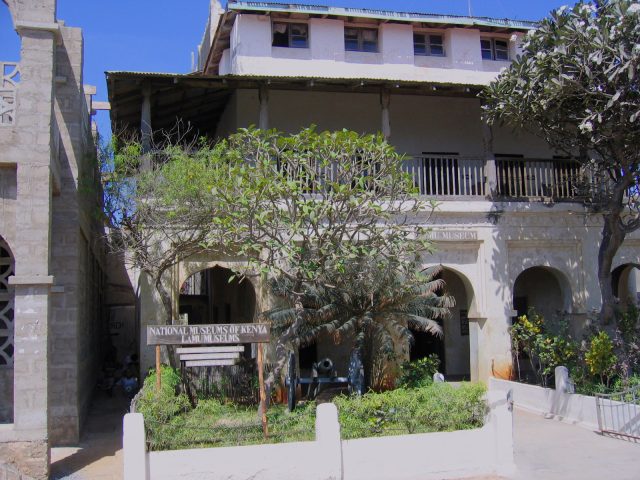
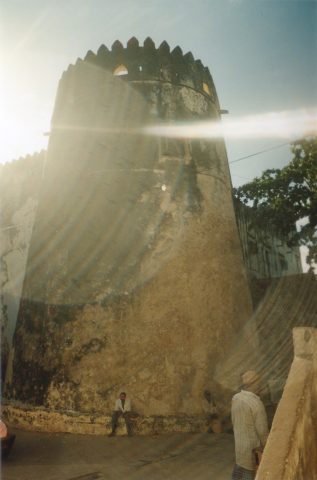
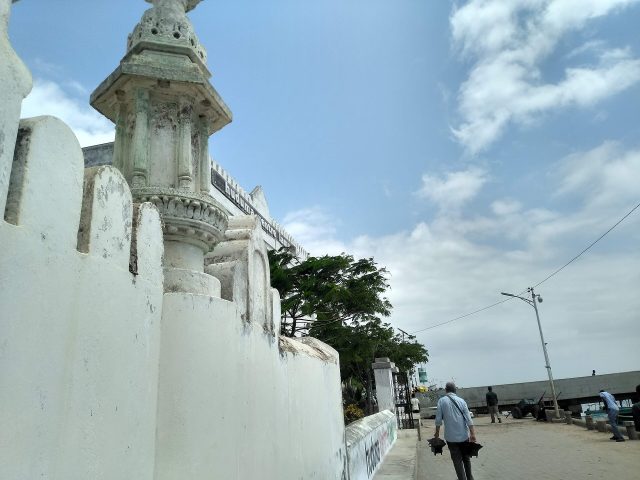
Shela wasn’t always quiet. Long ago, this coast was part of a trade network linking Lamu to Arabia, India, and China. Merchants anchored here, trading ivory, spices, and slaves for glass, textiles, and porcelain. The island was a crossroads of cultures, blending Arab, Persian, and Portuguese influences into Swahili life. Today, little remains on the beach itself—just a few gravestones among the palms, their inscriptions worn smooth. But in Lamu Town, a short boat ride away, the past is still visible. The old stone houses with carved doors, the coral mosques, the narrow alleys where donkeys are the only transport—all of it shows a way of life that has lasted for generations.
Staying here means leaving modern comforts behind. No hotels, no restaurants, no sun loungers—just sand, sea, and simple huts where locals rent rooms. These are the homes of fishermen and their families, built from coral stone and thatch. Inside, the air is cool, the windows shuttered against the midday sun. Electricity runs for a few hours in the evening. Water comes from a well. There’s no Wi-Fi, no air conditioning—just the basics.
Mornings start early. Fishermen push their boats into the water before dawn. Women walk to the well, balancing clay pots on their heads. Children play along the shore, building sandcastles the tide will wash away. Tourists sleep, their huts dark.
By midday, the sun is too strong. The beach empties as people retreat into the shade. Meals are simple—rice with grilled fish, fresh fruit, flatbreads cooked over a fire. Sometimes, vendors come from the village with handmade bracelets or spices. There’s no pressure to buy.
At sunset, the sky turns orange and pink. The ocean darkens. Small fires appear on the beach, their light reflected in the water. Locals gather, talking or singing in Swahili. Sometimes, musicians play drums and stringed instruments. The music doesn’t demand attention—it’s just part of the evening.
Getting here isn’t simple. No roads, no cars—just the ocean and the boats that ferry people from Lamu Town. The ride takes about half an hour. The sea can be rough, but the reward is a place where the modern world feels distant.
Lamu is a Muslim-majority island. Locals are used to visitors but appreciate modest dress—covering shoulders and knees. Alcohol isn’t part of life here, but there’s coconut water or spiced tea. The pace is slow, and that’s the point. No grand attractions, no must-see landmarks—just a place that hasn’t changed much over the centuries.
What stays with you isn’t what you see, but how it feels. The sand shifting underfoot, the sound of the ocean at night, the brightness of the stars. Shela Beach isn’t for those who want excitement or luxury. It’s for those who want to step out of time. If you come here, you’ll understand why people return—not for photos or souvenirs, but for the quiet, the stillness, and the sense that some places are meant to be felt.