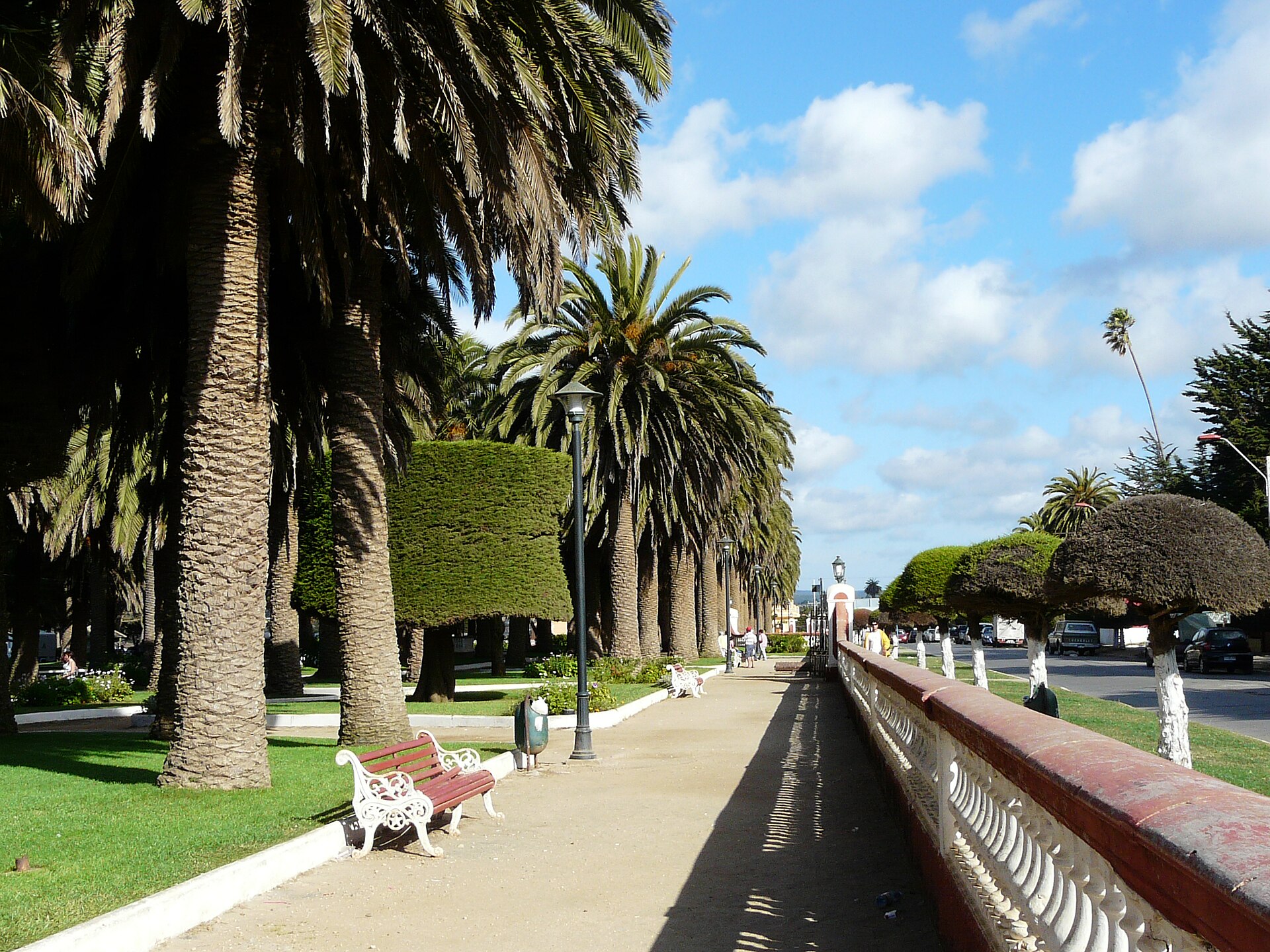
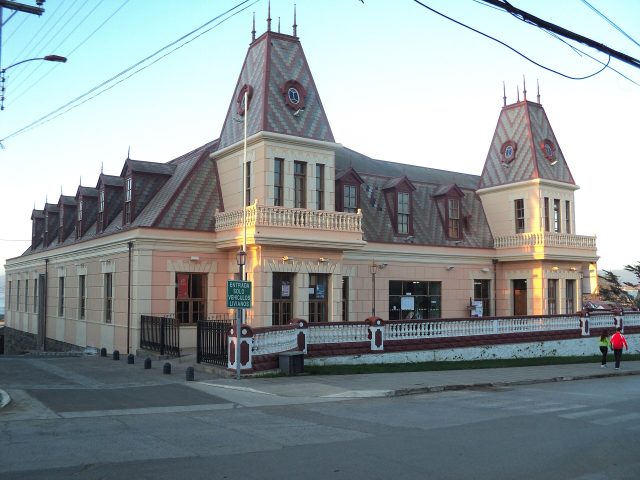
Ross Park in Pichilemu is one of those rare places where time seems to slow down, where the past and present coexist without effort. Tucked along Chile’s Pacific coast, it isn’t just a patch of green in the middle of town—it’s a quiet refuge that locals and visitors return to for its unhurried pace and the way it frames the ocean. There are no crowds here, no tourist traps, just wide lawns, shaded paths, and the occasional bench where you can sit and watch the waves roll in from the cliffs above.
The park’s story begins with Agustín Ross, a Chilean politician and businessman who owned this land in the early 1900s. His vision was simple: to create a public space where people could escape the confines of the city without leaving it. Over the decades, the park became woven into the fabric of Pichilemu, a place where families picnic, children play, and older residents take their afternoon walks. Unlike many public spaces that get overrun by commercial interests, Ross Park has kept its original spirit—unpretentious, welcoming, and a little old-fashioned.
The architecture here is understated, almost invisible, which is part of its charm. There are no grand monuments or flashy installations, just a few weathered wooden gazebos that look like they’ve been standing since the park’s earliest days. One sits on a small hill, offering a view of both the ocean and the town below. The trees, planted when Ross first laid out the park, have grown tall and wide, their branches casting long shadows in the summer heat. They give the place a sense of permanence, as if the park has always been here and always will be.
Beyond its role as a green space, Ross Park is a quiet cultural hub for Pichilemu. In the warmer months, it hosts small festivals, local musicians playing acoustic sets, and craft fairs where artisans sell handmade goods. On weekends, families spread out blankets on the grass, unpacking lunches while kids kick soccer balls nearby. When winter arrives, the park empties out, becoming a solitary retreat where you might find someone reading on a bench or a couple walking their dog along the winding paths. It’s a place that adapts to the seasons, never feeling forced or overly curated.
What makes the park special is its connection to the ocean. The beach is just a short walk away, and many visitors combine a stroll through the park with a swim or a surf session. Pichilemu is known for its waves, and Ross Park often serves as the starting point for those heading to the coast. On windy days, the sound of the surf blends with the rustling leaves, creating a rhythm that’s hard to find anywhere else. Even if you don’t surf, just sitting on the grass and listening to the ocean can feel like enough.
Despite its modest appearance, the park plays a significant role in the life of the town. It’s a reminder of how public spaces can shape a community, offering a place to gather, reflect, or simply be. There are no extravagant fountains or exotic plants here—just the quiet beauty of a place that has grown naturally over time. For tourists, Ross Park might not seem like much at first glance, but that’s part of its appeal. It doesn’t try to impress; it just exists, offering a moment of stillness in a world that often moves too fast.
In recent years, Pichilemu has seen more visitors, drawn by its surf breaks and coastal scenery, but Ross Park has remained largely untouched by tourism. It’s not the kind of place you’ll find on postcards or in guidebooks, but that’s what makes it special. Here, you get a sense of the town’s real rhythm—the way locals actually live, rather than the version presented to outsiders. You might see a group of teenagers playing guitar under a gazebo, an elderly man feeding pigeons, or a family setting up a picnic as the sun sets over the water.
Ross Park isn’t just a green space; it’s a piece of Pichilemu’s identity. It carries the memory of those who shaped the town while remaining open to new generations. In an era where so many public places feel generic, this park has held onto its character. Maybe that’s why it feels so alive—because it hasn’t been polished or packaged for visitors. It’s just a place where people come to slow down, to breathe, and to feel, even for a little while, like they belong.