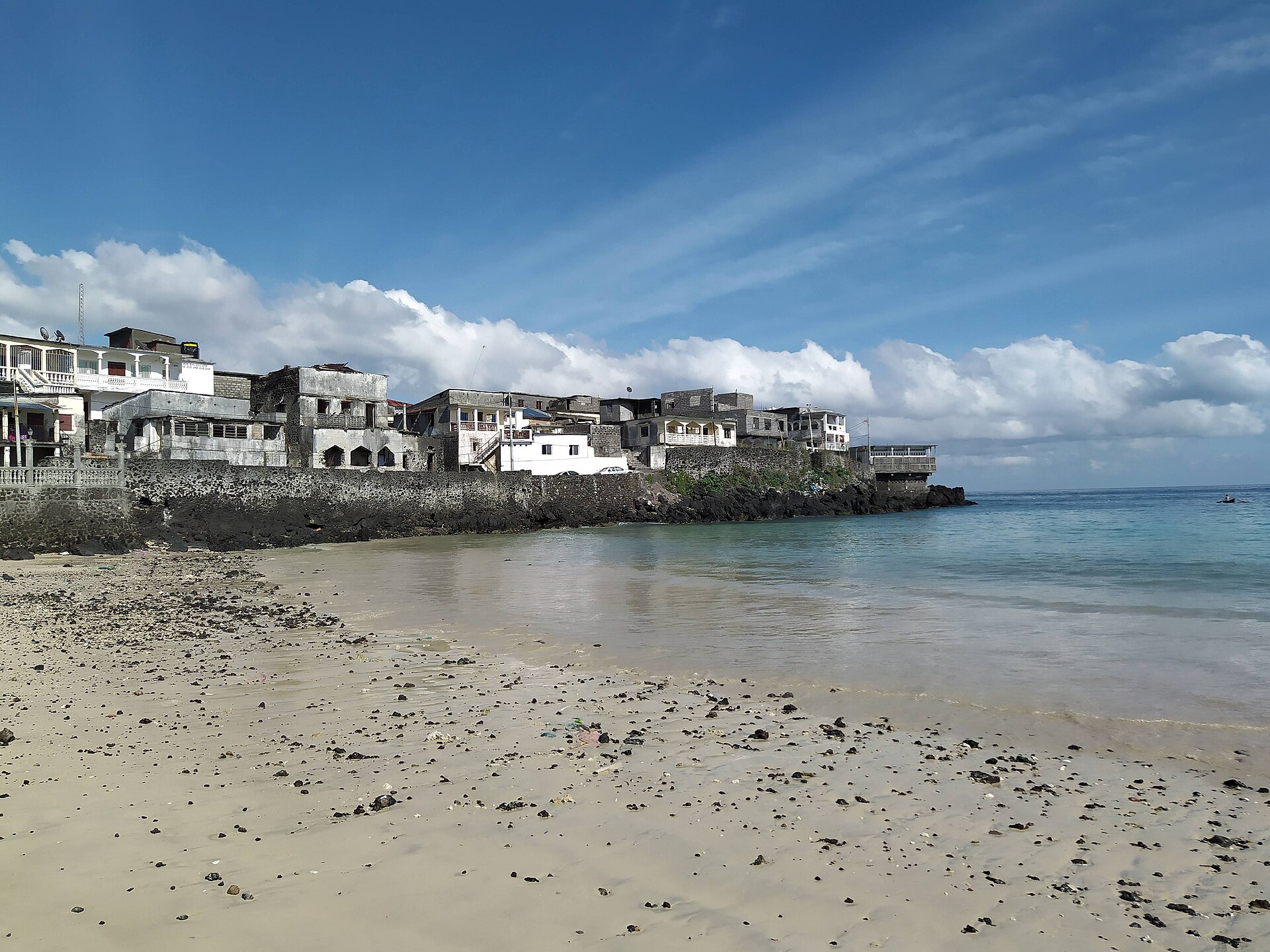
Itsandra Beach is one of those quiet corners of the Comoros where the ocean meets the land. Just a short distance from Moroni, the capital of this island nation, it remains largely untouched by crowds. The sand here is warm and golden, flecked with tiny pebbles that shift underfoot. The water near the shore is clear, holding shades of jade that change with the depth and the angle of the sun.
This beach isn’t the kind you’d find in travel brochures. There are no sun loungers, no vendors, no music. Instead, the quiet is broken only by the waves and the occasional voices of local fishermen. They come here in the early hours to mend their nets or cast their lines. Sometimes a traditional wooden boat with a patched sail drifts past, stirring the stillness briefly.
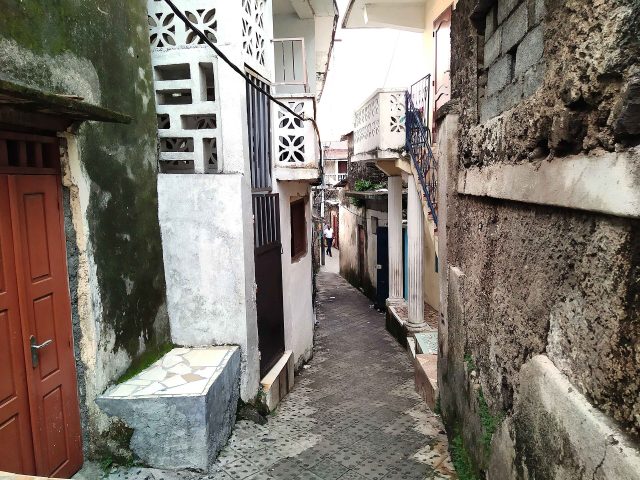
The Comoros archipelago has long been a crossroads of cultures—Africa, the Arab world, and French colonial history all leave their mark here. Itsandra is framed by low, green hills dotted with villages. Houses are built from coral stone and topped with thatched roofs. Life here moves at the same pace it has for generations: fishing, tending to vanilla and clove plantations, and gathering in the evenings to share stories.
Centuries ago, Itsandra was a landing point for boats arriving from neighboring islands and the African mainland. The Comoros have always been a meeting place for trade routes. Today, little remains of that history beyond the occasional old coin or piece of pottery washed ashore. Fishermen still use techniques passed down through generations. In that sense, Itsandra is where the past is woven into everyday life.
For first-time visitors, the beach might feel simple, even wild. There are no paved paths, no restrooms, no cafes—just the natural landscape. The only way to reach the water is to walk across the sand or step over the rocks near the shore.
You could spend a day here watching the sky and sea change color. Fishermen repair their nets. Children play in the waves. At some point, you realize this place isn’t meant to be photographed. It’s meant to be experienced.
The water is warm, almost like bathwater. Even on hot days, the ocean breeze keeps the air fresh. The seabed slopes gently, making it safe for swimming, though currents can be strong at high tide. Locals advise against venturing too far out. Schools of small fish dart past. If you’re lucky, you might spot a sea turtle breaking the surface for air.
Evenings at Itsandra are quiet. As the sun sets, the sky turns orange and violet. The water glows golden. By this time, the beach is nearly empty—just the occasional passerby or a fisherman returning with the day’s catch. If you stay until dark, the stars reflect in the water. The distant lights of Moroni twinkle against the black sky.
Itsandra isn’t for those seeking entertainment. It’s for travelers who want to see the Comoros as they are—not as they’re packaged for tourists, but as they’ve existed for centuries. There’s no luxury here, but there’s authenticity. Maybe that’s why some visitors return, drawn by the quiet and the chance to feel part of something larger—the sea, the sky, the land.