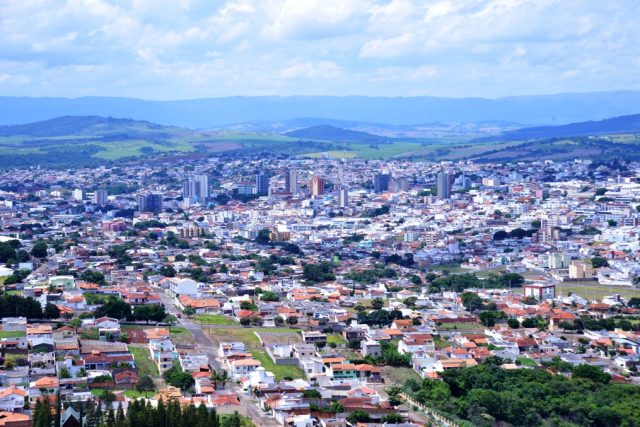
Moroni
Comoros · 4 places
Photo: Woodlouse, CC BY-SA 2.0
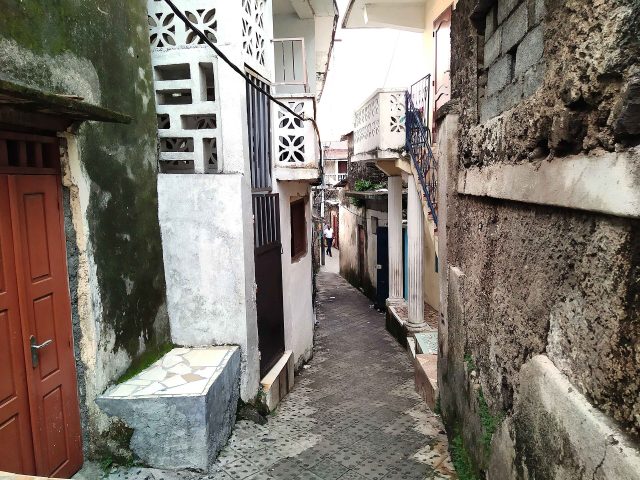
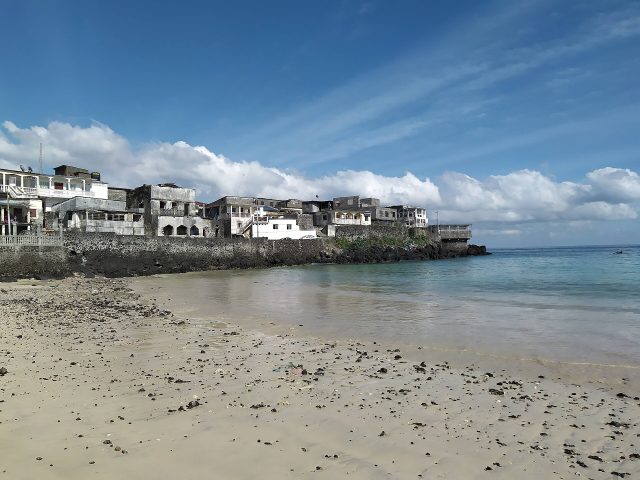
Moroni feels like a place where time has paused, yet it breathes with the quiet energy of a city shaped by centuries of trade, culture, and the relentless rhythm of the ocean. Perched on the western shore of Grande Comore, it serves as the capital of the Comoros and the country’s main gateway to the world. There are no towering skyscrapers or bustling highways here—just narrow, winding streets where whitewashed houses with intricately carved wooden balconies stand beside mosques whose minarets rise above the rooftops, a reminder of the Arab influence that has left its mark on the islands. The air carries the scent of spices, salt, and woodsmoke from beachside fires, while the Indian Ocean, visible from almost every corner, sets the pace of life—unhurried, deliberate, but always with the promise of something unexpected.
The city moves at its own pace, where tradition and modernity coexist without fuss. Mornings bring the markets to life, filled with vendors selling fresh mangoes, vanilla, cloves, and ylang-ylang—the fragrances that have earned the Comoros the nickname "Islands of Spice." You can find everything here, from vibrant fabrics to handcrafted jewelry, along with the stories that locals are always ready to share. By midday, the heat drives people indoors, but as the sun dips lower, the streets come alive again. Fishermen mend their nets by the harbor, families gather to watch the sunset, and small cafés serve strong coffee and flatbreads with grilled fish. There’s no tourist rush in Moroni, and that’s part of its charm—everything feels authentic, unpolished, and real.
History lingers in the city’s bones. For centuries, Moroni was a key stop on the trade routes linking Africa, Arabia, and India, and the influences of Arab, Persian, and later European traders are still visible in its architecture, language, and food. The old port, though weathered, retains the echoes of a time when ships laden with goods anchored in its waters. Nearby stands the Vouni Mosque, one of the oldest on the island, its walls bearing witness to generations of prayers. A short walk away, the ruins of ancient fortresses hint at the city’s turbulent past, when rival powers fought for control of this strategic outpost.
The landscape around Moroni is as striking as the city itself is modest. Just a few kilometers inland, dense tropical forests hide waterfalls and rare birds, while the beaches—less famous than those on neighboring islands—offer raw, untamed beauty. Black volcanic sand meets the turquoise waves of the Indian Ocean, framed by swaying palms and jagged cliffs. Locals often come here for picnics or to simply sit by the water, reminded that in Moroni, nature is never far away. The land feels alive, shaped by volcanoes and the sea, and humans are just passing through.
Life here isn’t about grand gestures or constant excitement. There are no luxury resorts or crowded nightclubs, just quiet corners where you can sit and watch the city go about its day. As the heat fades in the evening, people emerge to chat, play dominoes, or stroll along the waterfront. Time in Moroni doesn’t rush—it flows at its own pace, and once you’re here, it’s hard not to fall into its rhythm. This isn’t a place for those seeking nonstop thrills, but for those who want to see beauty in simplicity and feel the soul of the Comoros.
See & Do
All of them

Places on the map
Marker colour follows the categoryClimate and weather
Detailed weather: Moroni- Average temperature
- 27 °C
- Precipitation per year
- 1302 mm
- Sunshine hours per day
- 6.9 h
Average air temperature
°C
28
28
28
28
28
26
25
25
26
27
28
28
Jan
Feb
Mar
Apr
May
Jun
Jul
Aug
Sep
Oct
Nov
Dec