Cherai Beach, often called Black Beach by visitors, is one of those places that lingers in your memory long after you’ve left. It doesn’t fit the usual image of an Indian coastline—no endless stretches of golden sand, no rows of swaying palms. Instead, the shore here is lined with dark, almost charcoal-colored sand, giving it an unusual, slightly mysterious appearance. The locals know it simply as Cherai, though it’s part of a longer coastal strip along Vypeen Island, just north of Kochi’s bustling center. Its distance from the city is part of its charm, offering a quiet escape for those who prefer solitude over crowds.
The history of this stretch of coast is woven into Kochi’s past as a trading hub. Centuries ago, ships laden with spices passed these shores, and the coastline served as a landmark for sailors navigating the Arabian Sea. The sand’s distinctive color comes from natural geological processes—tiny mineral particles carried by rivers and deposited by ocean currents. Unlike many of India’s more famous beaches, Cherai has never become a tourist hotspot. It remains a place where the rhythm of life moves at its own pace, untouched by the commercialization that defines other coastal destinations.
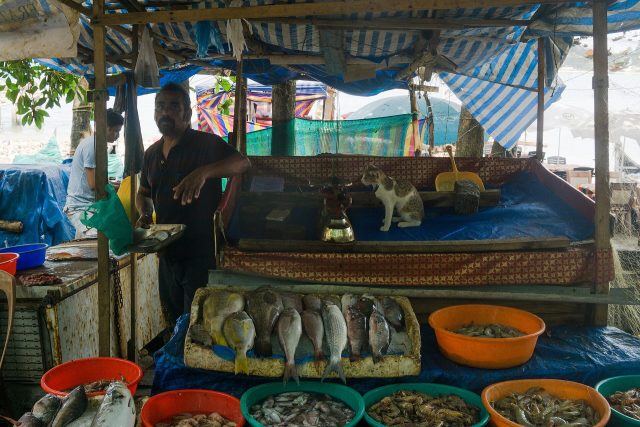
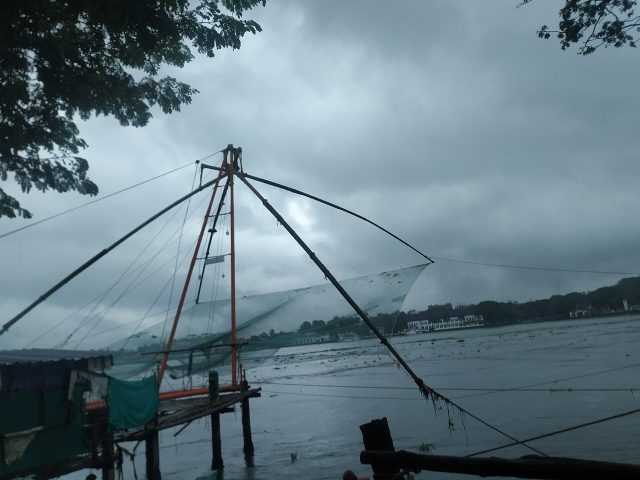
There are no grand monuments or architectural wonders here, but the surroundings tell their own story. Nearby fishing villages still use traditional canoes, their wooden hulls weathered by years of salt and sun. Along the shore, nets are spread out to dry, and low dunes covered in scrub give way to coconut groves—a familiar sight in this part of Kerala. The sea here is temperamental: during the monsoon, waves crash violently against the shore, but in calmer months, the water is warm and inviting, though strong currents make swimming a cautious affair.
The atmosphere at Cherai is unhurried, almost sleepy. Mornings bring locals jogging along the sand or practicing yoga, while fishermen prepare their boats for the day’s work. By midday, the heat drives most people away, and the beach empties until late afternoon, when the sun softens and the light turns golden. Evenings are particularly beautiful, with the sky painted in shades of pink and orange, and the sea shimmering under the fading light. Tourists are few, mostly travelers staying in nearby guesthouses or making a day trip from Kochi.
For the local fishing communities, Cherai is more than just a beach—it’s a way of life. Festivals like Onam bring the shore to life, with decorated boats racing across the water, music filling the air, and the scent of grilled fish drifting from open fires. These celebrations offer a glimpse into a side of India rarely seen in brochures: a place where traditions endure, and life follows the timeless cycles of the sea.
Visitors should come prepared for simplicity. There are no beach chairs, no cafes, no showers—just sand, sea, and sky. But that’s part of the appeal. You can rent a bicycle and ride along the coast, watching the landscape shift from dark sand to rocky outcrops where snorkelers gather to explore small coral reefs and colorful fish. If you’re lucky, you might spot dolphins playing in the waves, their sleek bodies breaking the surface before disappearing again.
This isn’t a place for those seeking luxury or entertainment. There are no high-end resorts, no beachfront bars, no crowds. Instead, Cherai offers something rarer: silence, space, and the chance to slow down. It’s a place where you can sit on the sand, listen to the waves, and feel the pulse of coastal life in Kerala. Maybe that’s why it stays with you—because here, in the quiet, you realize how little it takes to feel content.