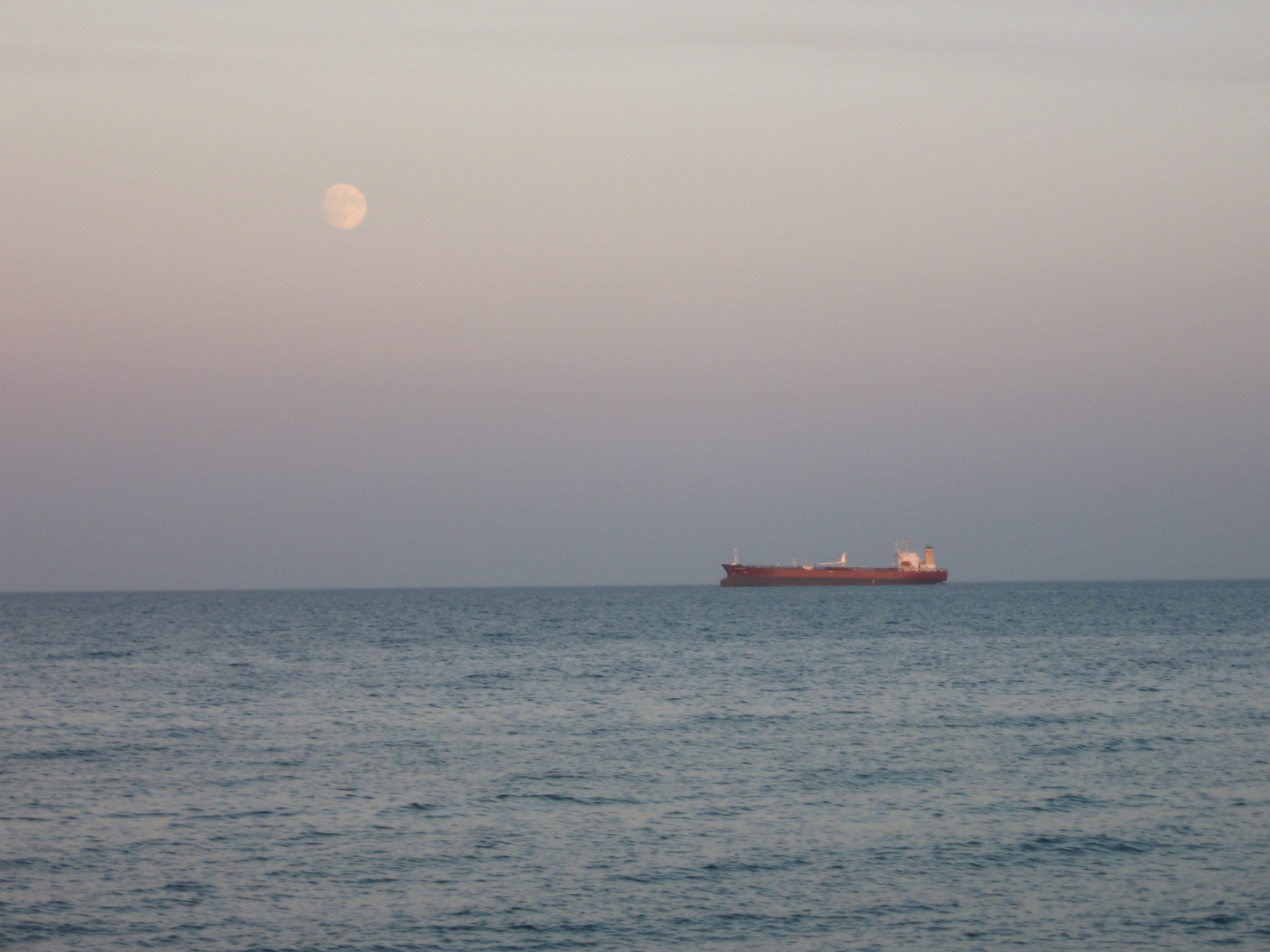
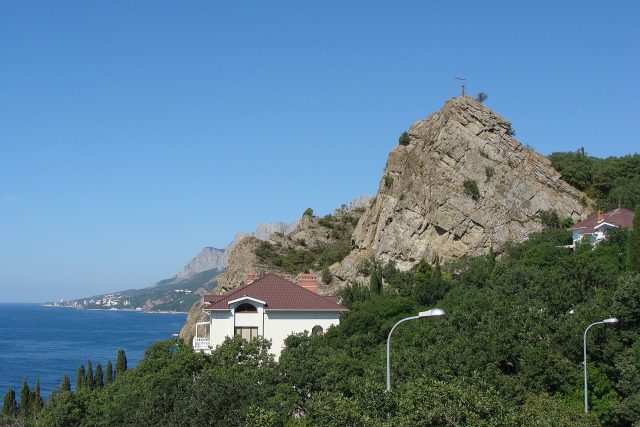
Beregovoe Beach sits quietly along Crimea’s western shore, where the Black Sea meets low, rolling hills dotted with sparse vegetation. It’s just a short distance from Sevastopol, yet it feels worlds away from the crowded resorts and tourist bustle. Here, the coast stretches in a long ribbon of smooth pebbles, the only sounds the rhythmic rush of waves and the distant cries of gulls.
This place carries the faint echoes of a different era. In Soviet times, it was a retreat for pioneer camps and holiday bases, where families of military personnel and factory workers spent their summers. Now, the remnants of those days linger in half-collapsed buildings overgrown with shrubs or rusted fences sinking into the sand. Even in peak season, the beach never feels overrun—just walk a little farther from the sunbeds and umbrellas, and you’ll find solitude.
The water is clear, with a soft greenish tint in the morning light. The pebbles underfoot are smooth, worn down by the sea, though they shift unpredictably with each step. Swimming is safe, the seabed sloping gently without strong currents. On calm days, the sea mirrors a lake, but when the wind picks up, the waves grow sharper, drawing those who prefer a more active swim.
There are no grand landmarks here, no architectural marvels. The real attraction is the landscape itself. Walk north along the shore, and the view opens up to a quiet bay and distant mountains. On clear days, the horizon blurs where the sea meets the sky, a sight locals call the edge of the world.
The history of Beregovoe is woven into the broader story of the peninsula. Ancient Taurians once lived along these shores, and later, Greek settlers established villages. In the Middle Ages, Genoese traders passed through, while in the 19th century, the coast became part of Sevastopol’s defensive line. During World War II, battles left their marks—traces of trenches and bunkers still remain, half-hidden in the grass.
Time moves differently here. There are no luxury hotels, no fine dining, not even a proper road—just a dirt track and a few seasonal stalls selling ice cream and beer. Yet the space and silence are their own kind of luxury. In summer, visitors pitch tents, build fires, and cook fresh fish soup over open flames. At night, the only sound is the sea breathing in the dark.
Winter transforms the beach. The water turns gray, the wind drives the waves higher, and the shore is strewn with seaweed. But even then, there’s a quiet beauty—the crisp air, the scent of salt and iodine, the lonely cries of gulls. Few locals come here in the off-season. Those who do know Beregovoe doesn’t change. It simply waits for summer to return.