The Stalin Dacha in Lakeside is one of those rare places where history feels almost tangible. It isn’t just a museum or a memorial—it’s a building that has preserved the atmosphere of an era when decisions made within its walls shaped the fate of a nation. Perched on the Black Sea coast, just a short distance from Sochi, this dacha served as Joseph Stalin’s summer residence from the mid-1930s until the early 1950s. Today, it stands open to visitors, and stepping inside, you can’t help but wonder about the man who lived and worked here, a figure so deeply entwined with Soviet history.
From the outside, the house appears unassuming compared to other government residences. A two-story structure of light stone with a green roof, it doesn’t flaunt opulence, and that simplicity is precisely what makes it striking. The architecture is classic for Stalin’s time—clean lines, symmetry, and an absence of excess. Inside, the furnishings from the era remain intact: the furniture, everyday objects, even Stalin’s personal belongings. It’s as if time has stood still, and the owner might round the corner at any moment.
The interior is surprisingly functional. Stalin’s study, where he spent long hours working, is furnished with minimalism in mind—a desk, a chair, a telephone, and a few books. Maps still hang on the walls, the same ones used to plan military operations during World War II. One of the most intriguing rooms is the billiards room, where Stalin relaxed with his associates. The green-felt table remains, along with vintage balls and cues on the shelves. His bedroom is equally modest, with a simple wooden bed, a small side table, and a lamp. The details create an eerie sense of presence, as if the man who once lived here has only just stepped away.
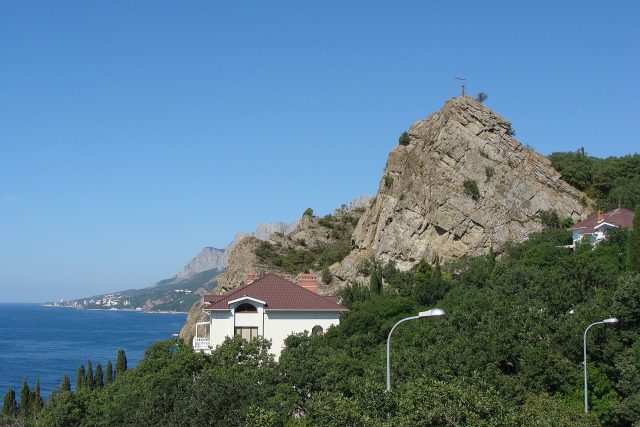
The grounds surrounding the dacha are as compelling as the house itself. The park was laid out in the 1930s and has retained much of its original character. Rare trees and shrubs from around the world still grow here, and the paths lead down to the sea, offering sweeping views of the coastline. Walking under the shade of the trees is especially pleasant on a hot summer day. Nearby, a small beach where Stalin occasionally swam remains a quiet spot, though access is limited.
This dacha is deeply connected to the events of the mid-20th century. It was here that Stalin met with Allied leaders during World War II. Winston Churchill stayed here in 1945, and other high-ranking guests followed. Some say this is where post-war plans for Europe were discussed. After Stalin’s death, the dacha remained closed for decades, only opening to the public in the 1990s. Today, it operates as a branch of the Sochi Art Museum, offering visitors a chance to step into history.
Visiting the dacha isn’t just a tour—it’s an immersion in the past. There’s no pomp or grandeur, just an overwhelming sense of authenticity. The creak of the floorboards, the scent of aged wood, the quiet broken only by the sound of the sea—it all feels real. The guides don’t just talk about Stalin the politician; they share stories about the man—his habits, his interests, even his quirks. He loved films and often hosted screenings in a small room on the premises. He preferred simple food, though delicacies were always available.
For many, the dacha becomes a place of reflection. There are no forced interpretations here, no one-sided narratives. Visitors are left to draw their own conclusions. Some see Stalin as a tyrant, others as a strong leader who saved the country from defeat in the war. Whatever your perspective, it’s impossible to deny that this place holds the memory of a complex and contradictory era. The dacha isn’t a museum in the traditional sense—it’s more like a home where every object has a story to tell.
It’s worth noting that the dacha isn’t a typical tourist attraction. There are no souvenir shops or cafes, and visits are by appointment only. This is a place for those genuinely interested in history, not just those looking for a photo opportunity. That might be why the atmosphere here feels so unique—quiet, thoughtful, and free from the usual hustle. Visitors often linger longer than expected, examining exhibits, reading documents, or simply sitting on a bench in the park.
Lakeside itself is a small settlement, far removed from the bustling resorts of Sochi. There are no crowds here, and the sea feels closer, cleaner. The Stalin Dacha fits seamlessly into this landscape, as if it has always been part of it. The locals treat it with respect but without reverence. To them, it’s simply a piece of the village’s history, not an object of worship. That lack of theatricality is perhaps why a visit here leaves such a lasting impression—there’s no pretense, just authenticity and a quiet that lets you hear the echoes of the past.