Kastropulo
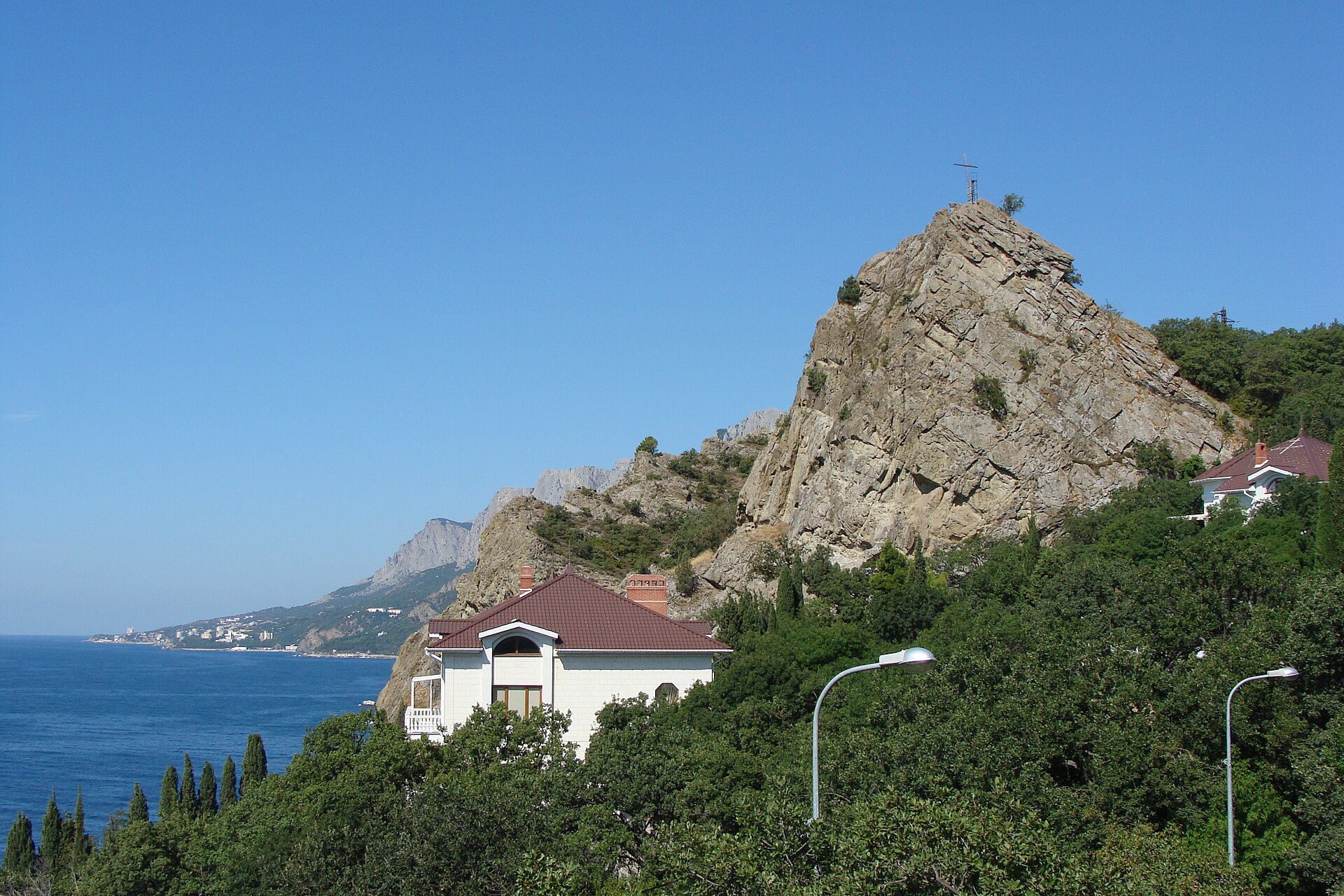
Kastropulo is one of those places tucked away between Sevastopol and Balaklava, far from crowded resorts and tourist paths. The village doesn’t announce itself—it exists quietly, as it has for generations. The streets are narrow and winding, lined with stone houses topped with terracotta roofs, their thick walls built for Crimean summers and winters. There are no grand monuments here, just the rhythm of life unfolding at its own pace.
The village’s origins trace back to the 19th century, when Greek settlers arrived from the Ottoman Empire. They brought their language, customs, and a way of building suited to the land. The name Kastropulo likely stems from Greek, possibly meaning a fortified place, though no fortress ever stood here. Instead, the rolling hills with steep slopes offered protection. The settlers shaped the village to fit the terrain, laying out streets where they made sense for daily life. Many of those original homes still stand, though time and modern needs have left their mark.
The architecture in Kastropulo endures. The houses are low, usually one or two stories, built from local stone that keeps interiors cool in summer and warm in winter. Red-tiled roofs are common, and some windows still have wooden frames with delicate carvings. Behind the houses, small courtyards hold old wells, grapevines climbing trellises, and fruit trees tended for decades. Even newer buildings follow the same simple style.
Today, people come here to escape. It’s not a tourist destination—there are no hotels, no souvenir shops, no guided tours. The village is a place of summer homes and quiet retreats, where city dwellers arrive to slow down. The surrounding hills are dotted with vineyards and orchards, and the sea tempers the climate. Summers are warm but not stifling, winters mild. The locals, many of them older residents, tend their gardens, grow grapes, and make wine as they have for generations. If you’re lucky, someone might offer you a glass from a dusty bottle with a story behind it.
Getting here takes about half an hour from Sevastopol. The drive winds through hills with glimpses of the sea. The road narrows as you approach, and soon you’re in the village itself. The only sounds are the rustle of leaves, the occasional bark of a dog, and the hum of insects in the afternoon heat. There are no cafes or stores, just private homes where, if you ask, you might find a room to rent for a night or two. The absence of modern distractions is part of the appeal.
You can wander the streets without a plan.
Sit on a bench beneath an old tree.
Watch the sunset paint the hills in shades of gold and pink.
This isn’t a place for those seeking excitement. There are no museums, no grand cathedrals, no guided narratives. What Kastropulo offers is something subtler: a sense of continuity, a connection to a way of life that has persisted despite time. The village doesn’t reveal itself all at once. It takes patience—days, not hours—to notice the small details. The way the light falls on a house in the late afternoon. The scent of herbs in a garden. An elderly resident nodding in greeting as you pass.
If you stay long enough, you might be invited into someone’s home for tea or homemade wine. These aren’t staged encounters; they’re the natural rhythm of life here. Conversations move slowly. You might hear stories about the village’s past, or simply sit in silence, listening to the wind in the trees.
Kastropulo doesn’t demand your attention. It waits, content to let you discover it on your own terms.
For some, a visit here feels like stepping into a different era. For others, it’s a reminder of how little we need to feel at peace. The village doesn’t try to impress. Its quiet persistence is enough. If you’re looking for a place to pause, to breathe, to move without hurry, Kastropulo might be what you didn’t know you needed.
Don’t expect it to give up its secrets quickly. Like the best things in life, it reveals itself slowly, one unhurried moment at a time.