Ronda’s Plaza de Toros isn’t just a relic of the past—it’s a place where history feels alive, where every stone seems to whisper stories of the people who once gathered here. Built in the late 18th century, this bullring is one of the oldest in Spain and perhaps the most significant in shaping the tradition of bullfighting as we know it. Its construction coincided with Ronda’s golden age, when the town was a cultural and aristocratic hub of Andalusia, drawing nobility, artists, and intellectuals. Bullfighting then was more than entertainment; it was becoming a defining part of Spanish identity, and this arena was at its heart.
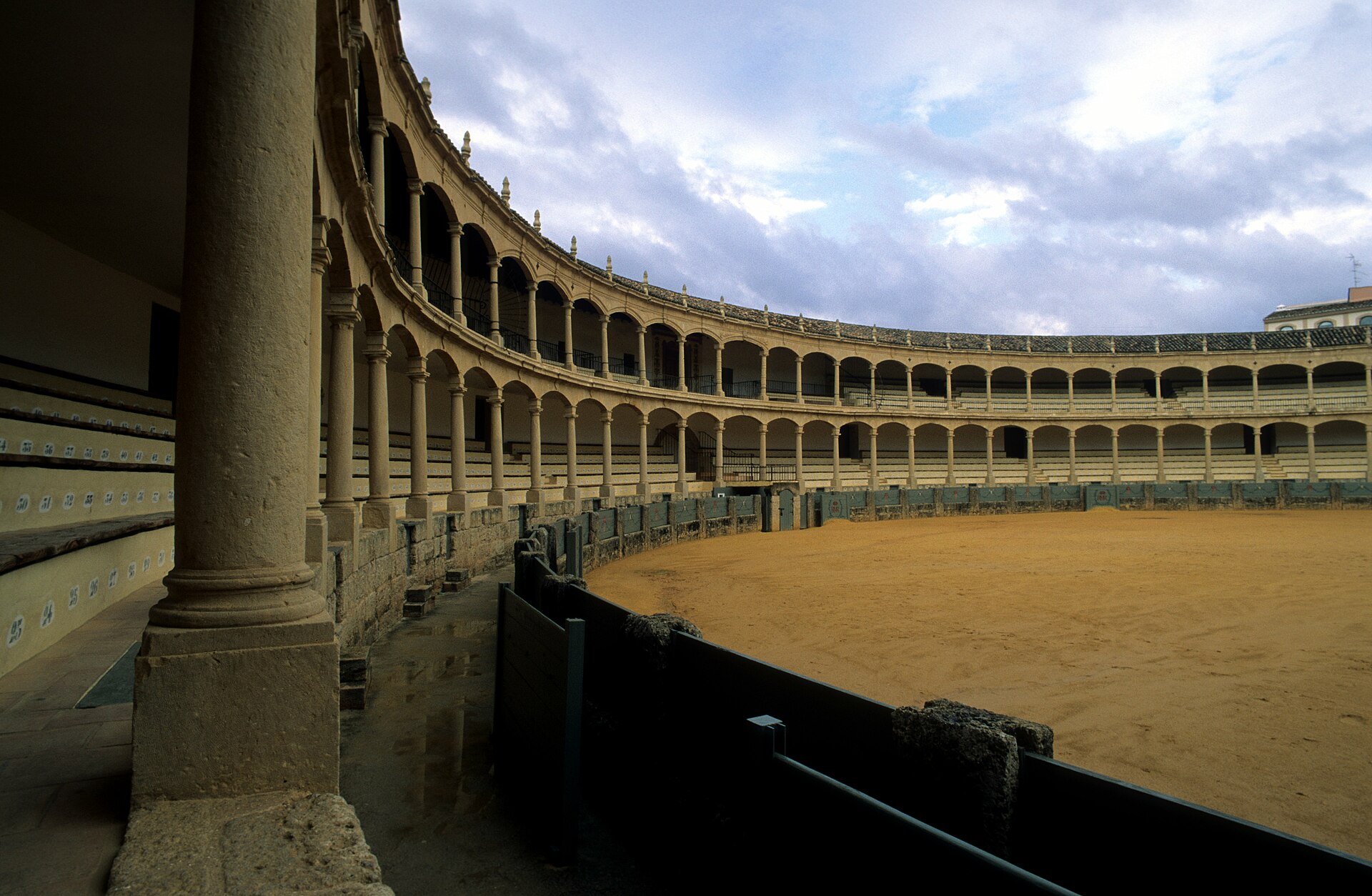
The architecture of the Plaza de Toros is striking in its simplicity and elegance. The circular structure, made of pale stone, is framed by two tiers of arches, evoking the grandeur of an ancient amphitheater transplanted into the Andalusian landscape. Inside, the arena is divided into two levels: the lower stands for general spectators and the upper galleries reserved for wealthier guests. What sets this bullring apart is its dual purpose—it wasn’t just a venue for spectacle but also a school for aspiring toreros. Beneath the stands, narrow corridors and hidden chambers once housed horses and bulls, creating an atmosphere of tense anticipation before the fight.
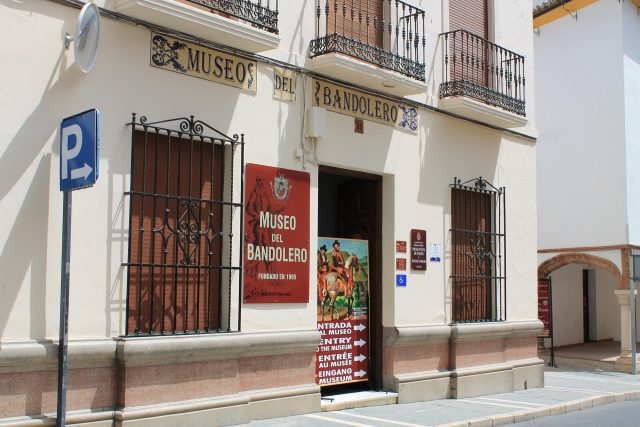
Though bullfights are no longer held here with the same frequency, the Plaza de Toros remains a powerful symbol. In the 19th century, Ronda became the cradle of modern bullfighting, and this arena was its stage. It was here that Pedro Romero, a legendary torero, developed the classical style of bullfighting that still influences the art today. His name is forever linked to this place, as are the stories of other masters whose portraits and memorabilia fill the small museum attached to the arena. The collection is modest but evocative—old costumes, yellowed prints, photographs, and even the horns of bulls vanquished in past battles.
Walking through the empty stands, it’s easy to imagine the roar of the crowd that once filled them. The sand of the arena, packed down by centuries of footsteps, still holds the echoes of past struggles. At its center stands a statue of Pedro Romero, a quiet reminder that bullfighting here was never just a sport but an art demanding skill, courage, and precision. Beyond the arena, the old town of Ronda unfolds with its narrow streets and whitewashed houses, leading to the dramatic cliffs of the El Tajo gorge. The contrast between the raw beauty of the landscape and the refined symmetry of the bullring is striking.
The Plaza de Toros is more than a monument to bullfighting—it’s a witness to an era when Ronda was a cultural crossroads. In the 18th century, the town was famous for its bullfighting schools, and aristocrats from across Europe traveled here to experience the spectacle. The arena became a place where tradition and innovation intersected, shaping the image of Spain that would later spread through literature and art. Writers like Hemingway and Orson Welles were drawn to Ronda’s atmosphere, and their works helped cement the arena’s place in history.
Today, the Plaza de Toros feels more like an open-air museum than an active venue. Bullfights are rare, usually limited to local festivals, and even then, they’re a far cry from the grand events of the past. Yet the arena hasn’t lost its allure. There’s something about it that lingers between past and present, between reality and legend. As you walk through its galleries, it’s hard not to wonder about the lives touched by this place—the hopes, the triumphs, the tragedies of those who came here over more than two centuries.
Ronda itself is a town of contrasts, and the Plaza de Toros embodies that duality. It’s a symbol of both brutality and passion, elegance and tradition. The arena reflects the complexity of bullfighting itself—a spectacle that inspires admiration and revulsion in equal measure. Some see it as a vital part of cultural heritage; others, as an outdated relic. But no matter how you feel about it, the Plaza de Toros remains an essential piece of Ronda’s—and Spain’s—history.
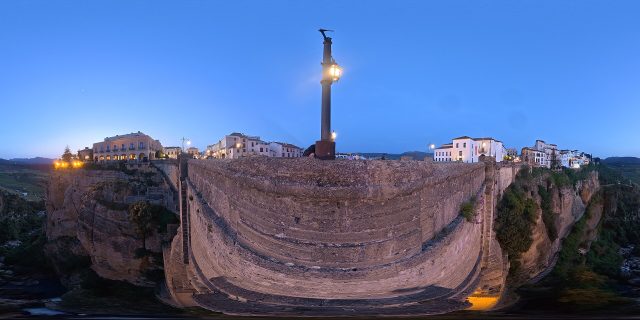
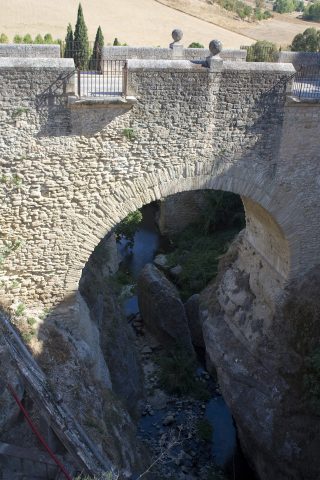
A visit here is best paired with a stroll through Ronda’s old town. The winding streets, whitewashed houses, and flower-filled balconies capture the essence of Andalusia, where every corner seems to hold a piece of the past. Nearby, the Puente Nuevo bridge spans the dramatic El Tajo gorge, offering breathtaking views of the surrounding countryside. The Plaza de Toros serves as a reminder that Ronda is more than just a picturesque town—it’s a place where history is etched into every stone, and the arena stands as one of its most enduring symbols.