The South Carolina Aquarium sits where the city meets the sea, its low-slung building blending into the waterfront as if it grew from the harbor itself. The architecture plays with natural forms—curved walls ripple like waves, while the roofline mimics the dome of a sea turtle’s shell. Inside, the space feels open and unhurried, designed more like a quiet coastal trail than a crowded tourist attraction. Sunlight filters through high windows, and the exhibits unfold gradually, each one leading into the next like tributaries feeding a river.
The journey begins with the freshwater ecosystems of the Lowcountry. Here, the air carries the damp, earthy scent of cypress swamps, recreated with surprising authenticity. Murky water laps at the edges of the tanks, where alligators drift beneath the surface and turtles bask on artificial logs. The plants look wild, though they’re carefully tended, and the whole scene feels less like a display and more like a glimpse into the region’s hidden wetlands. It’s easy to forget you’re indoors until a school group passes by, their voices breaking the illusion of wilderness.
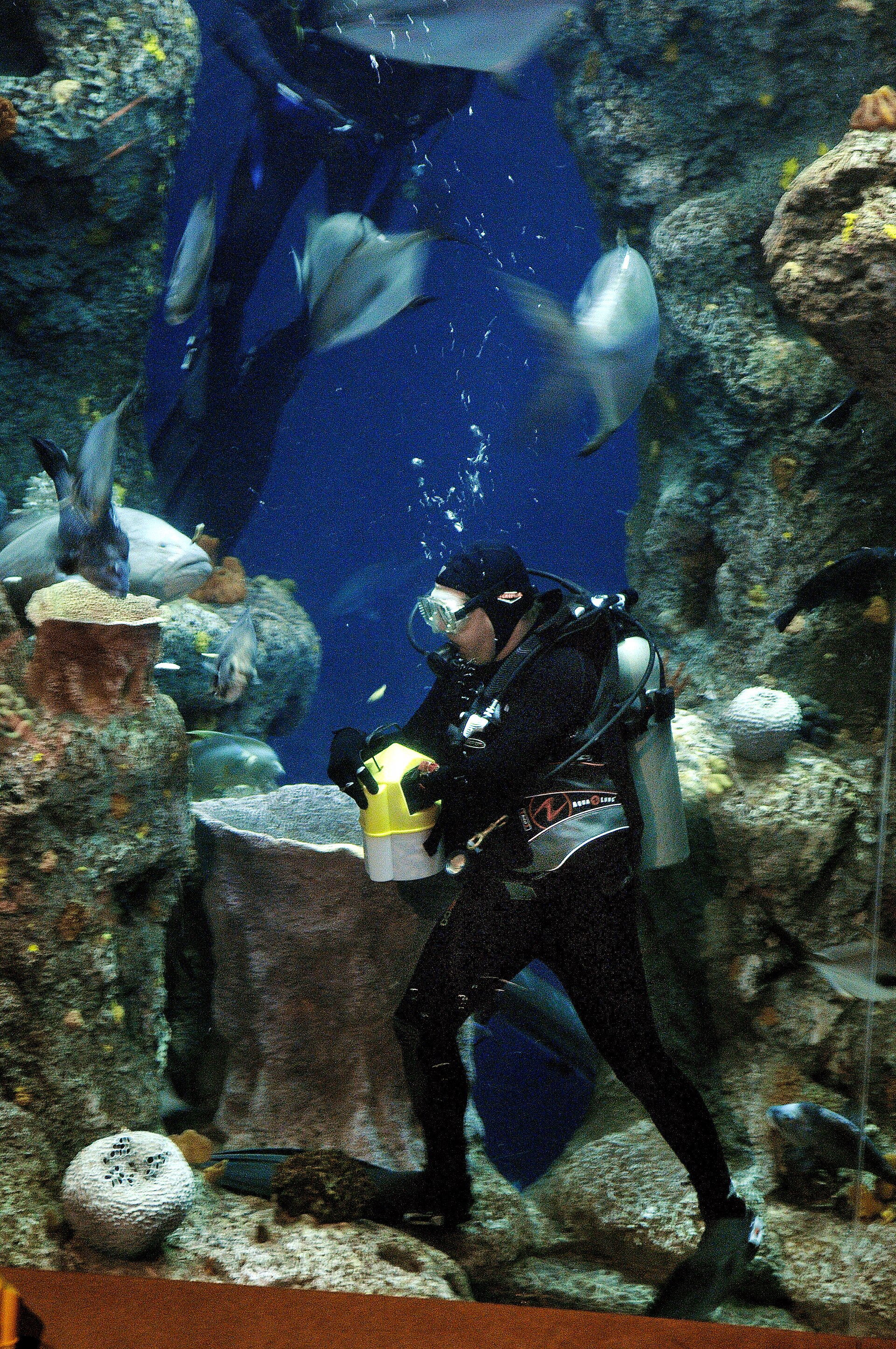
The heart of the aquarium lies in its ocean exhibits, where the scale shifts dramatically. The largest tank holds over three hundred thousand liters of water, a slice of the Atlantic compressed into glass walls. Coral formations rise from the sandy bottom, and fish dart through the currents in shimmering schools. Rays glide past, their wings nearly brushing the glass, while small sharks patrol the edges. Feeding times are understated—no grand announcements, just staff members quietly distributing food while visitors watch. If you’re lucky, you might see a shark snap up a fish in one swift motion, a reminder that this is still a living, breathing ecosystem.
But the aquarium does more than showcase marine life. It also tells the story of the threats facing these waters, from plastic pollution to habitat destruction. One exhibit focuses on the aquarium’s sea turtle rescue program, where injured animals are rehabilitated and released back into the wild. These turtles often arrive tangled in fishing nets or sick from ingesting debris, and the staff’s work is a mix of science and stubborn hope. Temporary displays rotate through, highlighting specific conservation efforts or species at risk, though the tone never veers into doom. Instead, the message is practical: this is what’s happening, and this is how you can help.
Upstairs, the rooftop terrace offers a different perspective. From here, the harbor stretches out below, framed by the sweeping cables of the Arthur Ravenel Jr. Bridge. On clear days, you can watch container ships glide toward the port or spot dolphins cutting through the water near the shore. The space is simple—just a few benches and a low wall—but it’s a quiet spot to sit and take in the view. In the summer, small events are held here, though most visitors come just to linger, listening to the wind and the distant hum of the city.
What makes the aquarium special is its lack of pretense. There are no flashy gimmicks or over-the-top attractions, just a steady, thoughtful exploration of the natural world. It’s the kind of place that locals return to again and again, whether to show their kids the new hatchling turtles or to spend a quiet hour watching jellyfish pulse in the dim light. The aquarium doesn’t just display animals; it asks visitors to consider their own connection to the water, the land, and the creatures that share it.
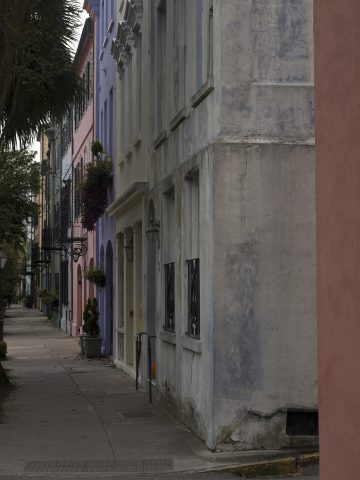
Charleston itself is a city shaped by the sea. Founded as a port, it grew on trade, fishing, and the rhythms of the tides. The aquarium fits naturally into this history, a modern tribute to the water that has always defined the region. Even if you hadn’t planned to visit, it’s worth the detour. You might come for the sharks or the stingrays, but you’ll leave with something less expected—a sense of how fragile and intertwined these ecosystems really are. And in a city where the past is always present, that’s a lesson worth remembering.