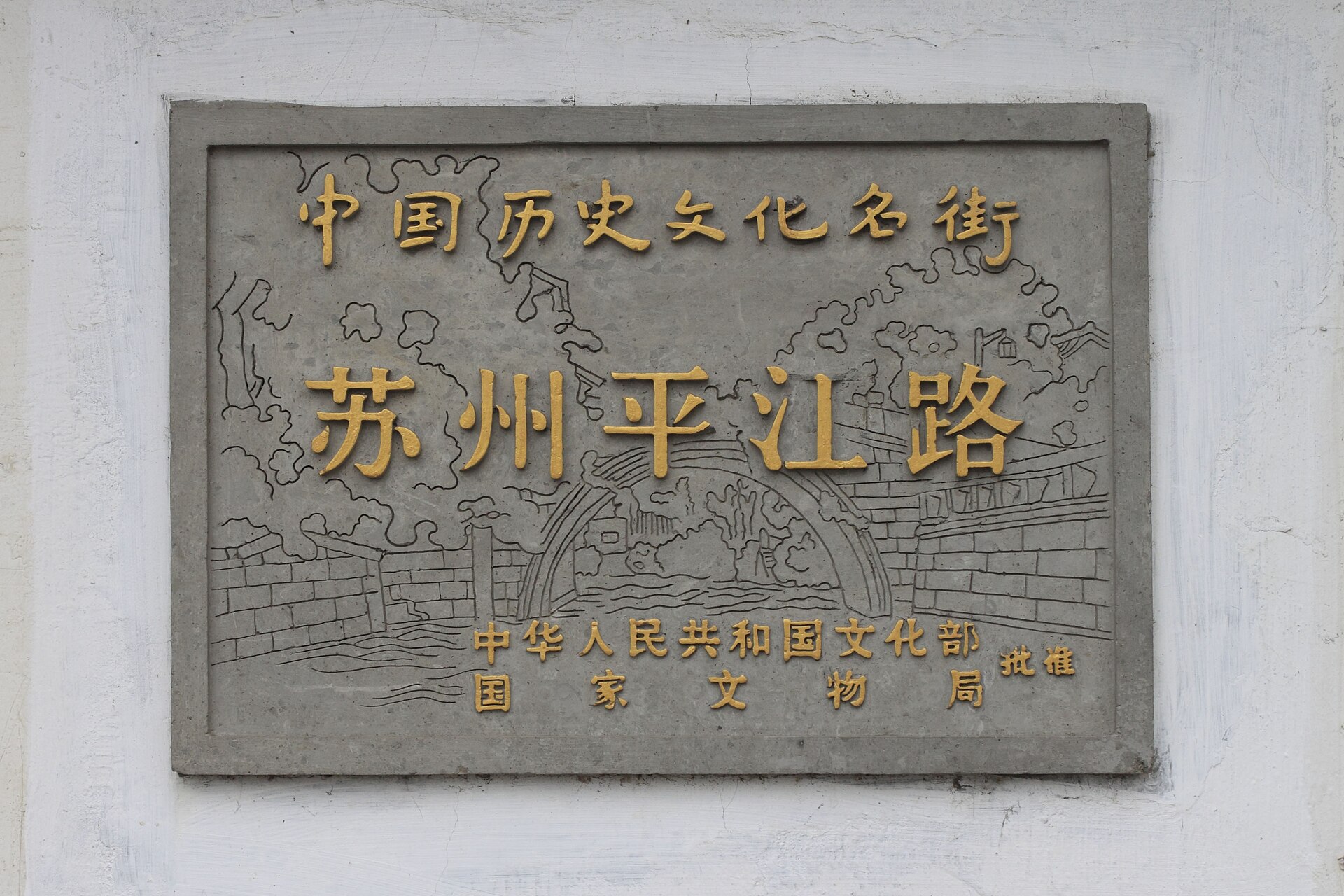
Pingjiang Road is where Suzhou’s past lingers just beneath the surface. This narrow, stone-paved lane follows the curve of an ancient canal, once the city’s lifeline, now a quiet waterway that carries more memories than traffic. The street is barely wide enough to walk two abreast, its intimacy making every step feel like a stroll through a living postcard. There are no towering skyscrapers or honking cars here—just the murmur of water against stone, the rustle of leaves from centuries-old trees, and the occasional clatter of a bicycle wheel on cobblestones. It’s a place where time doesn’t so much stand still as slow down to a pace that lets you notice the details: the way sunlight filters through the branches, the scent of jasmine tea drifting from an open doorway, the sound of a lute being tuned in a courtyard somewhere out of sight.
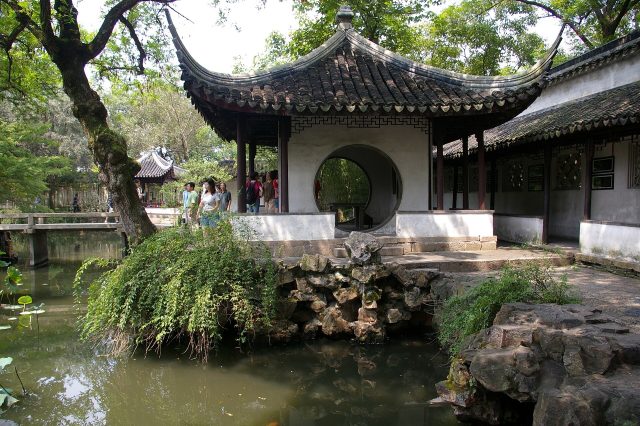
Suzhou has long been called the Venice of the East, and Pingjiang Road is where that comparison feels most fitting. The canals here aren’t just for show—they’re woven into the fabric of daily life. Centuries ago, they were bustling trade routes; today, they carry tourist boats and the occasional vendor’s skiff, while locals still wash clothes by the water’s edge or sit on the banks, watching the current slip past. The houses lining the street are classic Suzhou: low-slung, with whitewashed walls and gray-tiled roofs whose upturned eaves seem to cradle the sky. Many date back to the Ming or Qing dynasties, and though they now house cafés, boutiques, and small museums, their bones remain unchanged. The architecture isn’t grand, but it’s precisely this modesty that gives the street its charm. There’s no pomp here, just the quiet elegance of a city that has always valued harmony over spectacle.
The road’s history stretches back over eight hundred years, to a time when Suzhou was one of China’s most important economic hubs. During the Song Dynasty, Pingjiang Road was part of a thriving commercial district, a place where merchants arriving via the Grand Canal would dock their boats, haggle over silk and porcelain, and spread news from distant provinces. By night, lanterns would glow along the water, their reflections dancing on the dark surface. The street’s role evolved over the centuries—under the Ming, it became a haven for scholars and artists, while in the 20th century, like many historic areas in China, it fell into disrepair. It wasn’t until the early 2000s that restoration began, with careful attention paid to preserving the street’s character rather than turning it into a sanitized tourist attraction.
Walking here is a lesson in how tradition and modernity can coexist without one overshadowing the other. The canal is lined with small shops selling Suzhou’s famous handicrafts: silk scarves so light they seem to float, intricately embroidered screens, delicate blue-and-white porcelain. You might find a hand-painted fan, its paper thin as a dragonfly’s wing, or sample *bingtang*, the city’s signature candied fruit, its sugar coating snapping like glass. In the evenings, paper lanterns flicker to life, their soft glow turning the street into something out of an old painting. The cafés tucked into the ground floors of the old houses serve tea—jasmine-scented, or the famous Longjing from nearby Hangzhou—while upstairs, families go about their evening routines, their voices drifting down through open windows.
The bridges are the street’s silent storytellers. There are several, each with its own history, but the most famous is Pingjiang Bridge, built during the Song Dynasty. It’s a humble structure, just a low arch of stone with simple railings, but from its center, the view down the canal is one of the best in Suzhou. Locals say this was where young couples once met in secret, tossing coins into the water for luck. The tradition continues today, though the coins are now more about nostalgia than superstition. Smaller bridges lead to hidden courtyards, where you might glimpse a Suzhou family’s private world: a potted garden, a carved wooden door left ajar, the sound of mahjong tiles being shuffled inside.
What makes Pingjiang Road special is that it never feels like a museum. Even in peak season, the crowds are thin compared to Beijing’s Forbidden City or Shanghai’s Bund. The rhythm here is set by the locals—elderly men playing mahjong on benches, children darting between the alleys, vendors unloading fresh produce from boats at dawn. There’s a sense of continuity, as if the street has simply carried on with its life while the rest of the world rushed past. You could spend hours wandering, peeking into tiny shops or stopping to watch a boatman pole his skiff down the canal. Or you could do nothing at all—just sit on the bank, listening to the water lap against the stone, and let the hours slip by unnoticed.
At night, the street transforms. As the sun sets, lanterns blink on, and the canal becomes a ribbon of light. The water mirrors the glow, turning the scene into something almost magical. Tourist boats drift by, their passengers murmuring in hushed tones, while along the banks, small restaurants open their doors. Suzhou’s cuisine is a world away from the fiery flavors of Sichuan or the rich, saucy dishes of Canton—here, the food is delicate, balanced, meant to be savored slowly. Try the local dumplings, stuffed with shrimp and steamed to translucent perfection, or the sweet-and-sour fish, its sauce glossy and fragrant. The city’s famous sticky rice cakes, filled with black bean paste, are a must—chewy, sweet, and just a little bit salty, like the street itself.
Pingjiang Road isn’t just a place to visit; it’s a place to feel. Suzhou is famous for its classical gardens, its silk, its embroidery—all exquisite, all carefully preserved. But this street is where the city’s everyday soul reveals itself. There are no palaces here, no grand temples, just the quiet beauty of a place that has learned to live in harmony with time. You could come for an afternoon and leave with a sense of having touched something real. Or you could stay longer, and let the street reveal itself in layers: a hidden courtyard where wisteria spills over a wall, a conversation with an old man who remembers when the canal was the city’s main highway, the way the light changes as evening falls. It’s the kind of place that stays with you, not because it’s loud or flashy, but because it’s quietly, stubbornly itself.