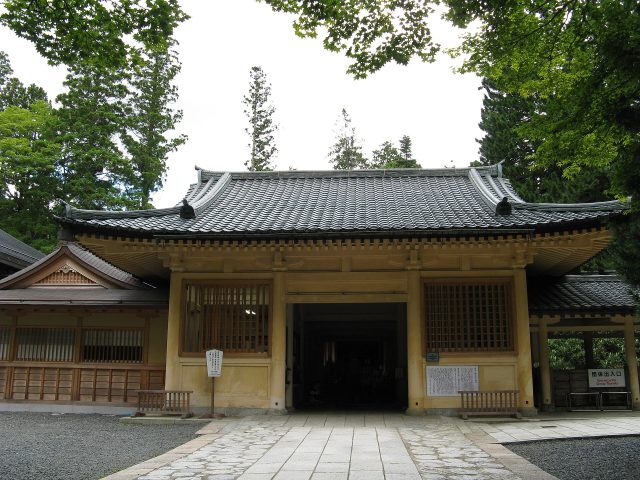
Mount Koya, or Koyasan, is one of Japan’s most extraordinary places—a mountain where nature, spirituality, and culture merge into something far greater than the sum of its parts. Rising nearly 900 meters above sea level in Wakayama Prefecture, this forested plateau has been a sanctuary of quiet reflection for over twelve centuries. It was here, in the early 9th century, that the monk Kukai—better known as Kobo Daishi—established his monastic retreat, laying the foundation for what would become the spiritual heart of Shingon Buddhism. Today, Koyasan remains a living center of faith, drawing pilgrims, scholars, and travelers seeking something beyond the ordinary.
The story of Koyasan begins in 816, when Emperor Saga granted Kukai the land to build his monastic complex. According to legend, the monk had searched for years for the perfect place to meditate, and his quest ended when a staff he threw from a distant peak landed here. The eight surrounding peaks form a natural lotus shape, a sacred symbol in Buddhism, while the mountain itself is said to embody a mandala—a cosmic diagram representing the universe. Over time, more than a hundred temples took root in this highland valley, many of which still welcome visitors for overnight stays, vegetarian meals, and the chance to join in morning prayers.
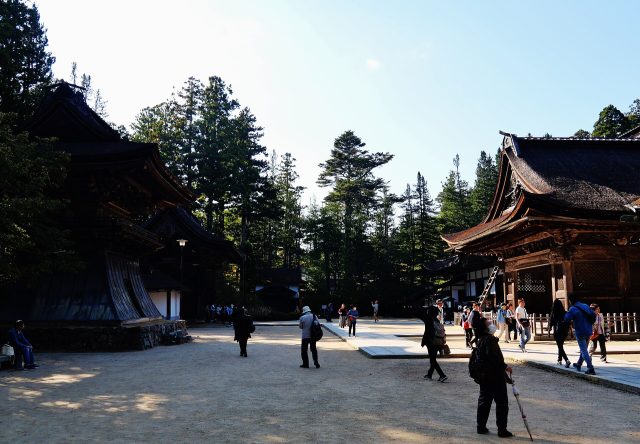
What makes Koyasan’s architecture so striking is how seamlessly it blends with the landscape. The temples were built using wood, stone, and clay, following techniques passed down through generations, and their designs reflect a deep respect for the surrounding forest. The head temple, Kongobu-ji, serves as the residence of the Shingon school’s leader and houses priceless relics, including ancient scrolls and Buddha statues. Its sliding doors are adorned with paintings of birds and flowers, while the rock garden at its entrance invites quiet contemplation. Another notable site, Okunoin, is home to Japan’s largest cemetery, where moss-covered gravestones stand beneath towering cedar trees. Here, monks, warriors, poets, and ordinary people rest side by side, united by the belief that this sacred ground offers eternal peace.
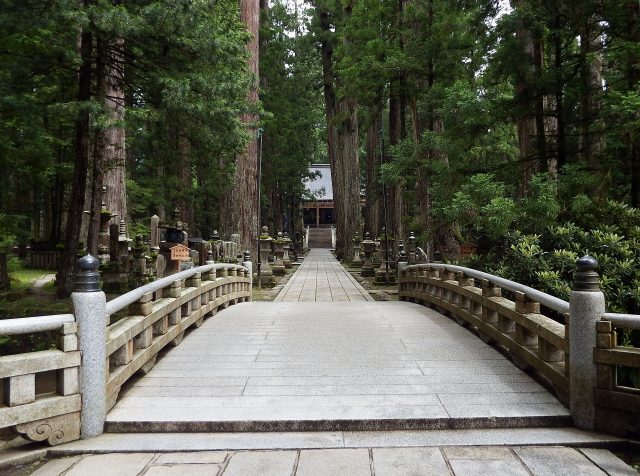
Okunoin feels like a place where time stands still. Narrow paths wind between thousands of weathered tombstones, their surfaces softened by moss and lichen, while the scent of incense lingers in the damp mountain air. At the heart of the cemetery lies the mausoleum of Kobo Daishi, a focal point for pilgrims who come to pay their respects. Many believe that Kukai did not die but entered an eternal state of meditation, his spirit still watching over Koyasan. In the evenings, the only light comes from flickering lanterns, casting long shadows and creating an atmosphere of quiet reverence.
Life on Koyasan moves to the rhythm of Buddhist rituals. Mornings begin with the sound of chanting drifting through the valley, while the rest of the day is spent in meditation, work, and simple tasks. Monks tend to vegetable gardens, grow rice, and craft incense and traditional amulets. Visitors can take part in some of these activities, such as preparing shojin ryori, the temple’s vegetarian cuisine. This food is made without meat, fish, or strong spices, designed to nourish the body without disturbing the mind. Meals are modest but flavorful—dishes of tofu, mushrooms, seaweed, and seasonal vegetables served in unassuming bowls, a reminder that true satisfaction comes from harmony, not excess.
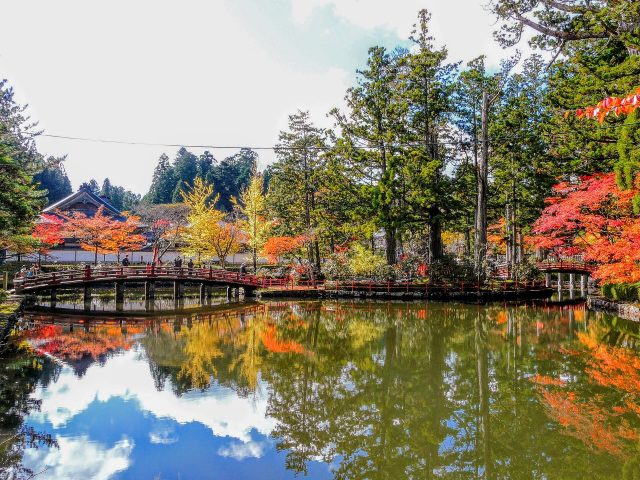
The natural beauty of Koyasan is as much a part of its allure as its spiritual significance. The forests here are ancient, with cedar trees that have stood for centuries, their branches filtering the sunlight into dappled patterns on the forest floor. In spring, azaleas and cherry blossoms bloom along the trails, while summer brings the scent of pine and damp earth. Autumn turns the maple leaves into a blaze of red and gold, and in winter, snow blankets the mountain, transforming it into a serene, almost otherworldly landscape. Hiking trails lead to hidden shrines and sacred springs, where the water is said to have healing properties.
Koyasan is not a museum—it’s a place where traditions are still very much alive. There’s no rush here, no hum of city life, just a slow, deliberate pace shaped by centuries of practice. People come for different reasons: some to deepen their understanding of Buddhism, others to escape the noise of modern life, and many simply to experience the quiet beauty of the mountain. Staying overnight in a temple offers a rare chance to step into this rhythm, whether by attending a lecture on Buddhist philosophy or sitting in silence, watching the play of light on wooden walls.
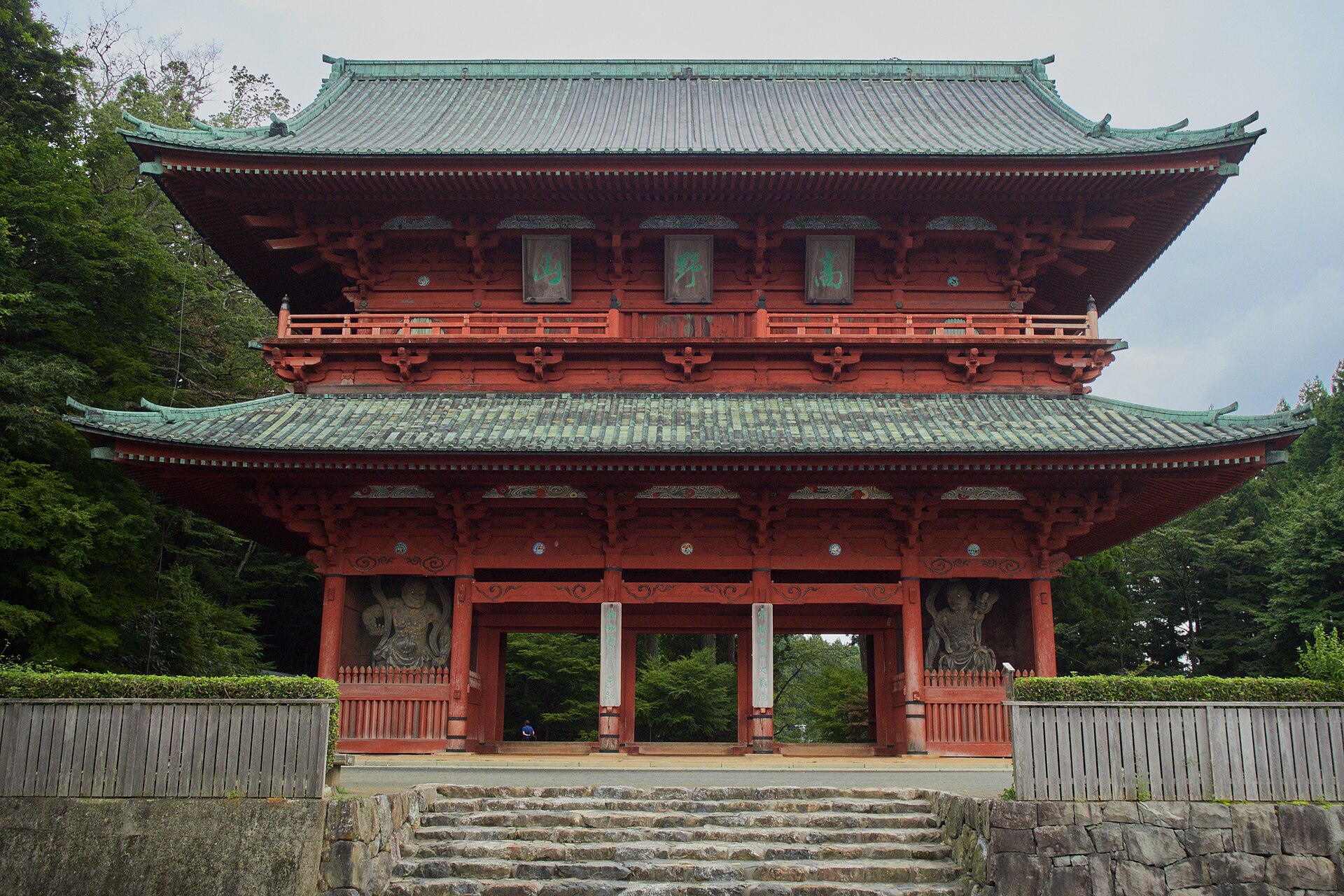
Reaching Koyasan is part of the experience. From Osaka or Kyoto, travelers take a train to Gokurakubashi Station, then ride a cable car up the mountain to the gates of the settlement. From there, the only way forward is on foot or by bicycle, as the narrow streets wind past temples, small shops, and teahouses. The absence of cars adds to the sense of stepping into another world, one where time moves differently. This isolation is part of what makes Koyasan feel so special—it’s a place set apart, where the outside world fades into the background.
There’s nowhere else in Japan quite like Koyasan. It’s not a tourist attraction in the usual sense, but a spiritual refuge where each visitor finds something personal. For some, it’s a connection to ancient traditions; for others, a moment of stillness in a busy life. And for many, it’s simply a place of profound beauty, where the harmony between people and nature is palpable. Whatever brings you here, Koyasan has a way of leaving a quiet, lasting impression—one that lingers long after you’ve descended the mountain.