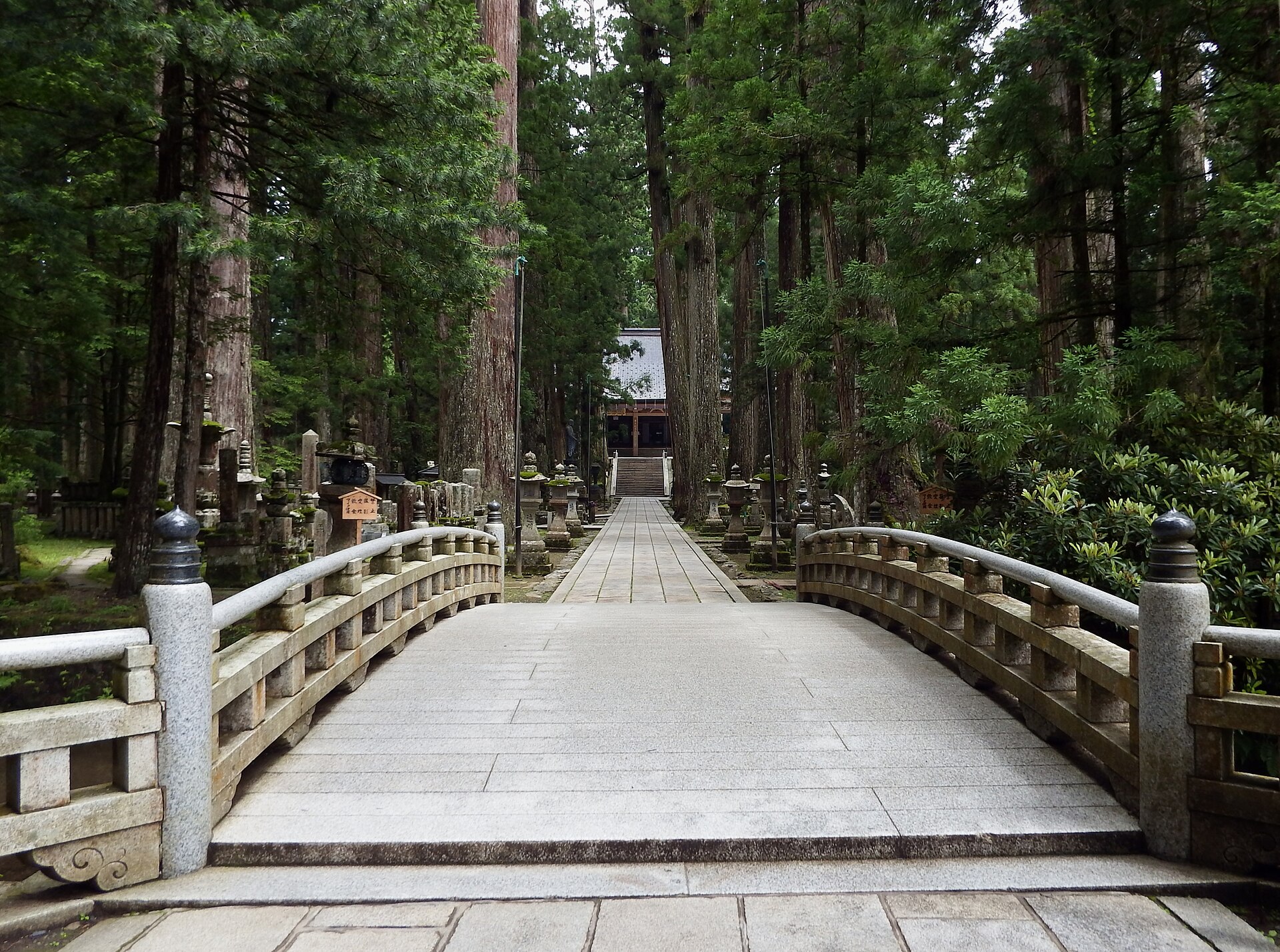
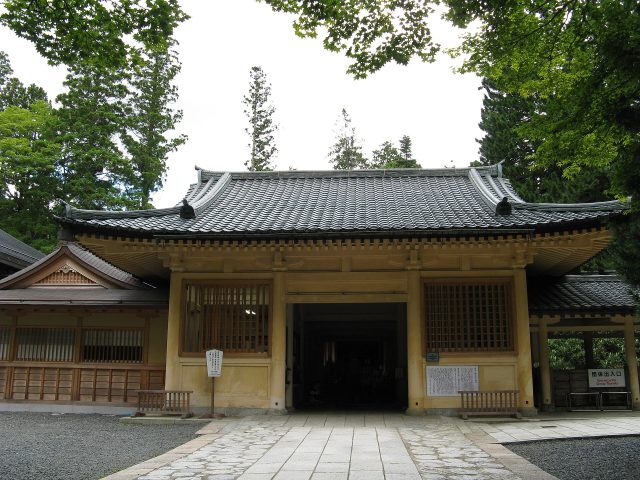
Okunoin Cemetery on Mount Koya is a place where time feels suspended. The ancient cedars stretch toward the sky, their branches filtering the mist that drifts between the graves, and the air carries the weight of centuries. This is not just a burial ground but a spiritual heartland, tied to the legacy of Kukai, the monk who founded the Shingon school of Buddhism. Known posthumously as Kobo Daishi, he is revered as one of Japan’s most influential religious figures, and his mausoleum lies at the center of Okunoin, drawing pilgrims who come to pay their respects.
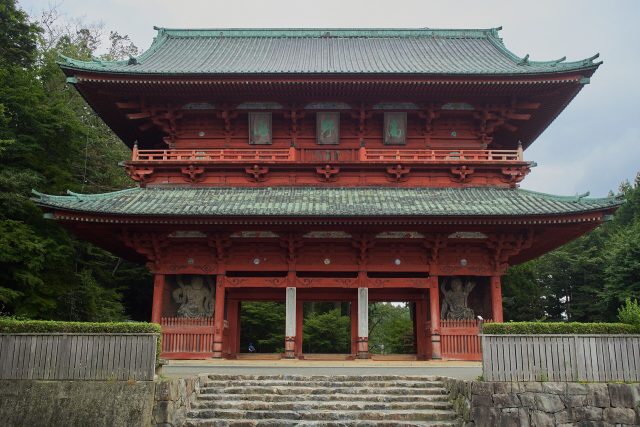
Mount Koya, or Koyasan, has long been a sanctuary for those seeking solitude. Established in the ninth century, it became Japan’s first center for esoteric Buddhism, a tradition that blends ritual, meditation, and the sacredness of nature. Okunoin grew as part of this landscape, evolving into one of the most unusual cemeteries in the world. Unlike the quiet stillness of urban graveyards, this place hums with life—whispers of prayers, the rustle of leaves, the distant chime of temple bells, the footsteps of visitors moving along moss-covered paths.
Walking through Okunoin is like stepping into another era. Narrow trails wind past thousands of graves, each with its own story. Some belong to samurai, their tombstones carved in the shape of swords or armor. Others mark the resting places of merchants, artists, and ordinary people who chose this mountain as their final home. Stone lanterns flicker in the dim light, and statues of Buddhas and Shinto deities stand guard over the dead. The variety of memorials reflects the diversity of those buried here, yet all share a sense of reverence.
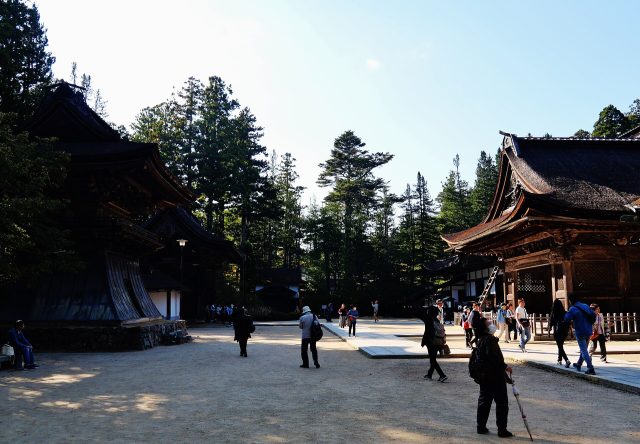
At the heart of the cemetery stands the mausoleum of Kobo Daishi. A flight of stone steps, flanked by towering trees, leads to the sacred site. According to tradition, Kukai did not die but entered an eternal meditation, awaiting the arrival of the future Buddha. Every day, monks bring offerings of food and drink to his tomb, a ritual that has continued for over a thousand years. Around the mausoleum, small temples and pavilions offer spaces for prayer and reflection. Nearby, the Gobyo Bridge marks the threshold into the most sacred part of the cemetery, where the spirits of the departed are said to find peace.
Okunoin is unlike any other cemetery. There are no strict rules here—visitors can wander freely, take photographs, or simply sit in quiet contemplation. The only expectation is respect for the place and those who rest within it. The atmosphere is one of quiet reverence rather than sorrow, a reminder that death is not an end but a transition.
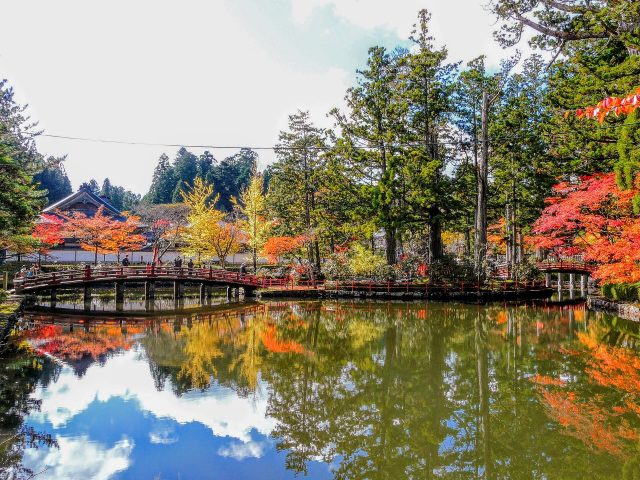
As evening falls, the cemetery takes on a different character. The few lanterns that remain lit cast long shadows across the graves, and the mist thickens, softening the edges of the stone memorials. Some visitors come specifically at dusk, when the fading light transforms the landscape into something almost otherworldly. In winter, snow blankets the tombstones and the branches of the cedars, muffling sound and lending the place a hushed, ethereal quality. Summer brings humidity, but the cool shade of the forest makes the walk bearable. Spring sees the cherry blossoms bloom, while autumn turns the maple leaves into a blaze of red and gold. Each season reshapes Okunoin, yet the sense of timelessness remains.
For many Japanese, a visit to Okunoin is a personal pilgrimage. Some come to honor ancestors, leaving handwritten prayers or arranging memorial services. Others seek solace, sitting quietly among the graves or lighting incense at one of the small altars. The cemetery has a way of slowing time, offering a moment of stillness away from the rush of daily life. Even those who do not follow Buddhist traditions often leave with a sense of calm, as if the weight of the world has lifted, if only briefly.
Reaching Okunoin is part of the experience. From Okunoin-mae Station, it’s a thirty-minute walk to the cemetery’s main entrance. Along the way, small shops sell traditional sweets and souvenirs, and temples provide places to rest. The path winds through the forest, gradually revealing the first of the graves. There is no entrance fee, though some of the smaller temples and pavilions may ask for a small donation. Mornings are the best time to visit, when the light is soft and the crowds are thinner.
Okunoin is more than a cemetery—it is a living testament to Japan’s spiritual and cultural heritage. History, religion, and nature intertwine here, creating a place that feels both ancient and alive. Whether you come out of curiosity, reverence, or simply to wander, the experience lingers long after you leave. There is something quietly profound about walking among the graves, surrounded by the whispers of the past and the enduring presence of the mountain itself.