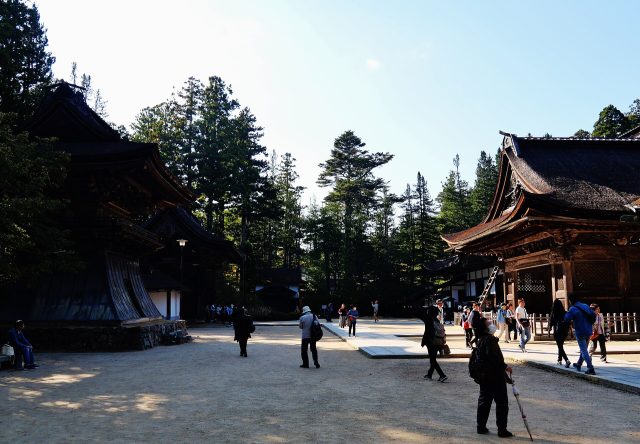
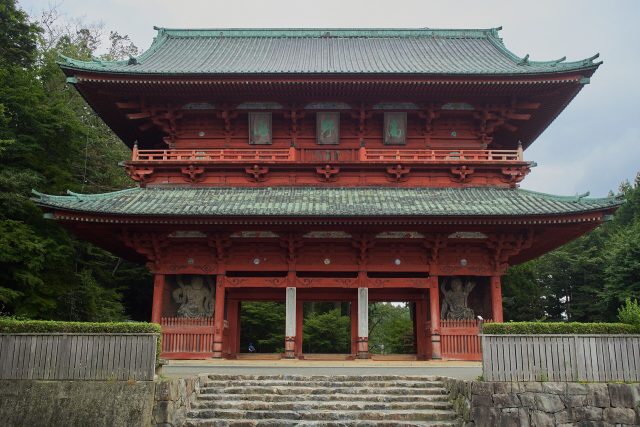
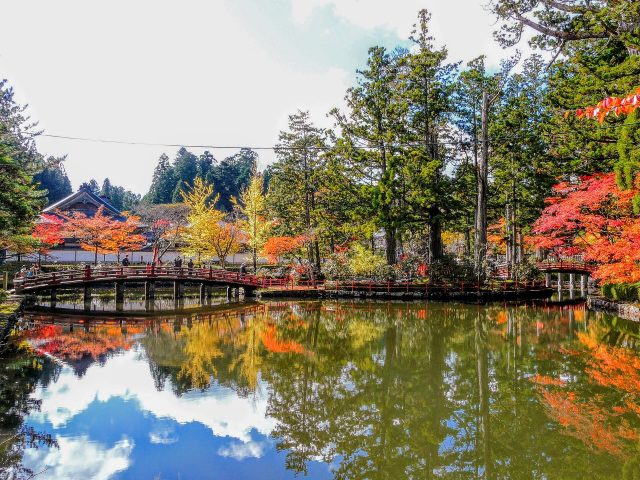
Mount Koya is a place where the modern world feels distant, and the Reihokan Museum sits at its quiet heart. Tucked among ancient cedar forests and temple complexes, the museum feels like a doorway into Japan’s medieval past. It’s small in size but vast in significance, holding artifacts that trace the history of Koya-san and the broader Buddhist traditions that have shaped the country. There are no crowds here, just the rustle of wind through the pines and the faint echo of temple bells in the distance.
The museum was established in the early 20th century, when the Buddhist community of Koya-san sought to preserve the treasures accumulated over centuries. Mount Koya has long been the spiritual center of Shingon Buddhism, one of Japan’s most influential Buddhist schools, and the Reihokan serves as a bridge between its storied past and the present day. The collection includes rare scrolls, statues of bodhisattvas, ritual objects, and ancient manuscripts—many of which are designated as national treasures. Each piece is more than an artifact; it’s a fragment of living history, tied to the daily rituals and spiritual practices of the monks who once used them.
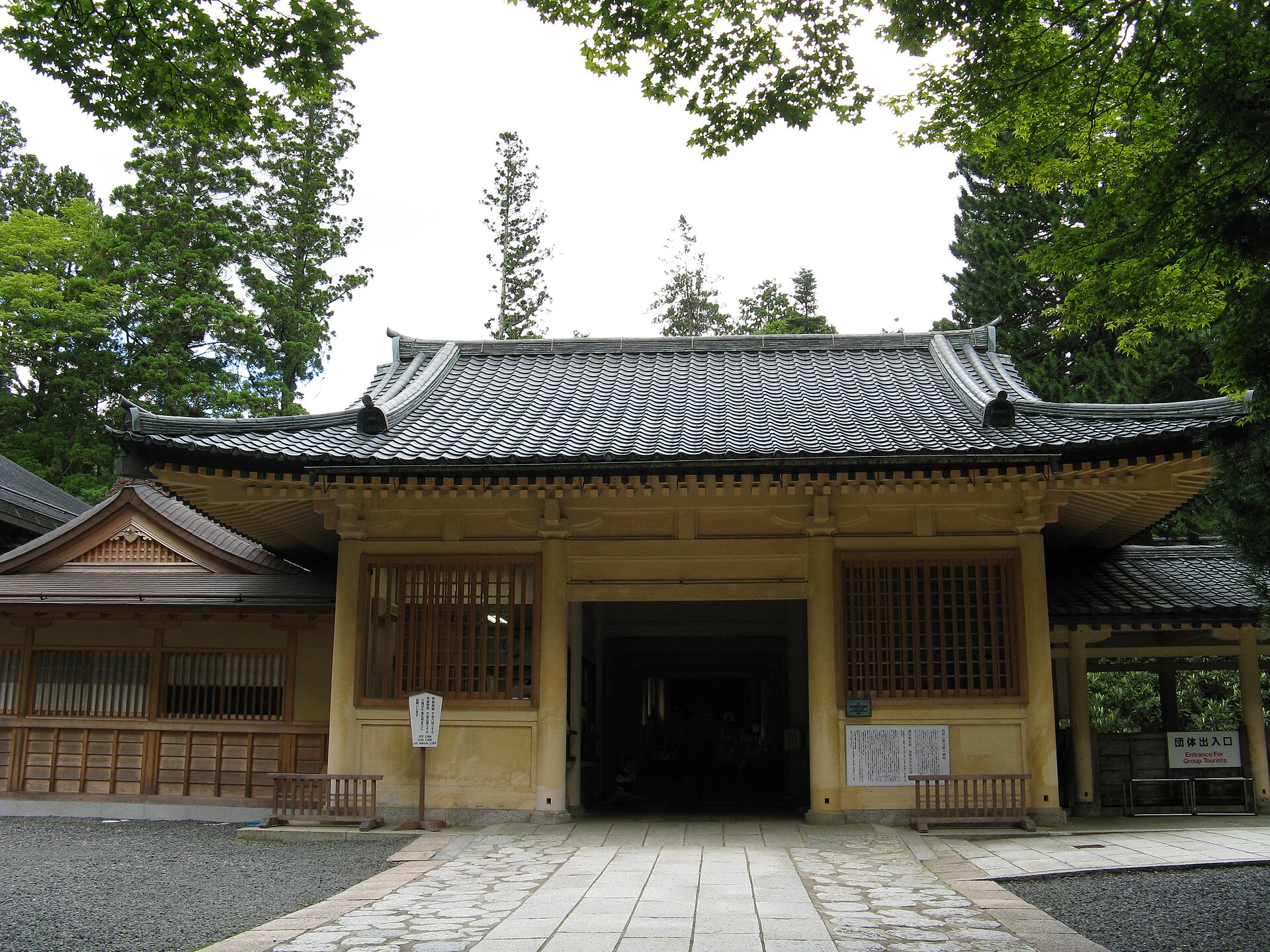
The building itself is a work of art, designed in the traditional Japanese style with low-slung roofs, wooden beams, and sliding doors that filter soft, diffused light into the galleries. The interior is arranged to encourage slow, thoughtful exploration, inviting visitors to linger over each exhibit. In summer, the space stays cool, while in winter, when snow blankets the mountain, the museum feels like a warm refuge from the outside world.
One of the most striking parts of the collection is the selection of mandala scrolls—elaborate symbolic diagrams used in Shingon meditation. Some of these works are so intricate that they took years to complete, their delicate lines and vibrant colors still vivid after centuries. Nearby, ritual objects like vajras, bells, and offering bowls are displayed, each one a testament to the craftsmanship and devotion of the artisans who made them. These items weren’t just tools; they were extensions of the monks’ spiritual lives, passed down through generations.
The Reihokan isn’t just for history buffs or art lovers. It draws those seeking quiet reflection, a place where the weight of time feels tangible. After wandering through the exhibits, visitors can step into the small garden outside, where moss-covered stones and towering pines frame views of distant temple roofs. It’s easy to imagine monks walking these same paths centuries ago, lost in contemplation. That sense of continuity is why many people find themselves staying longer than they intended—the atmosphere invites stillness.
Mount Koya has always been a pilgrimage site, and the museum is another stop along that sacred journey. Unlike larger museums that rely on flashy displays or interactive exhibits, the Reihokan’s power lies in its simplicity and authenticity. There are no audio guides or touchscreens, just the quiet presence of objects that speak for themselves. Standing before a statue of Kannon or an ancient scroll, it’s possible to feel a connection to the people who created these things, their hands guided by faith and skill.
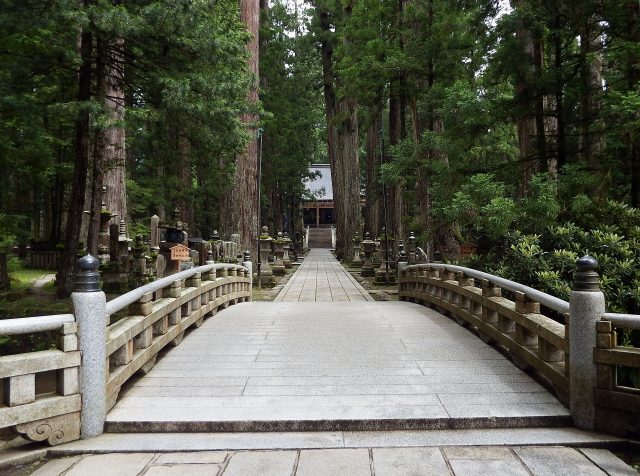
A visit to the Reihokan pairs naturally with a walk through the rest of Koya-san. After the museum, you might wander to a nearby temple where monks still live and practice, or head to Okunoin Cemetery, where towering cryptomeria trees shade the graves of pilgrims and historical figures. As evening falls and the scent of pine fills the air, the mountain takes on a deeper mystique. The museum isn’t just a standalone attraction; it’s part of a larger spiritual landscape, one that has drawn seekers for over a thousand years.
If you find yourself on Mount Koya, take your time. There’s no rush here, no city noise to drown out the quiet. The Reihokan is just one stop on a journey that reveals why this place holds such meaning for so many. Within its walls, the past isn’t just preserved—it’s alive, a reminder of those who devoted their lives to the pursuit of enlightenment. That sense of connection is what makes the museum feel less like a collection of objects and more like a conversation across centuries.