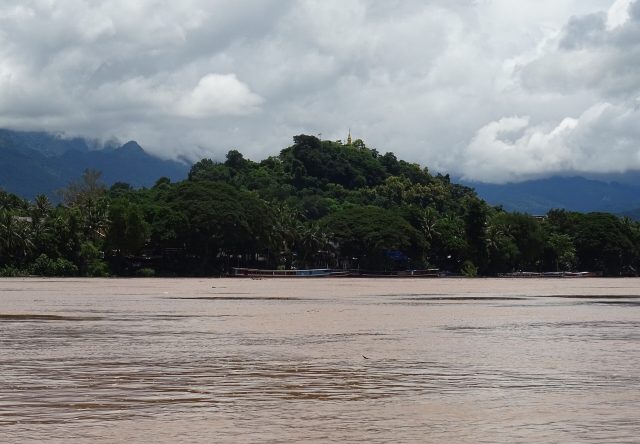
The Pak Ou Caves sit quietly along the Mekong River, a place where time seems to slow down just enough to let you breathe. Getting there is part of the experience—no roads lead to them, only the river, wide and unhurried, carrying you past steep banks thick with jungle. In the rainy season, the water rises so high it feels like you’re gliding through the treetops. When the dry months come, the river shrinks back, revealing sandbars and making the caves easier to reach, though the journey remains as patient as the land itself.
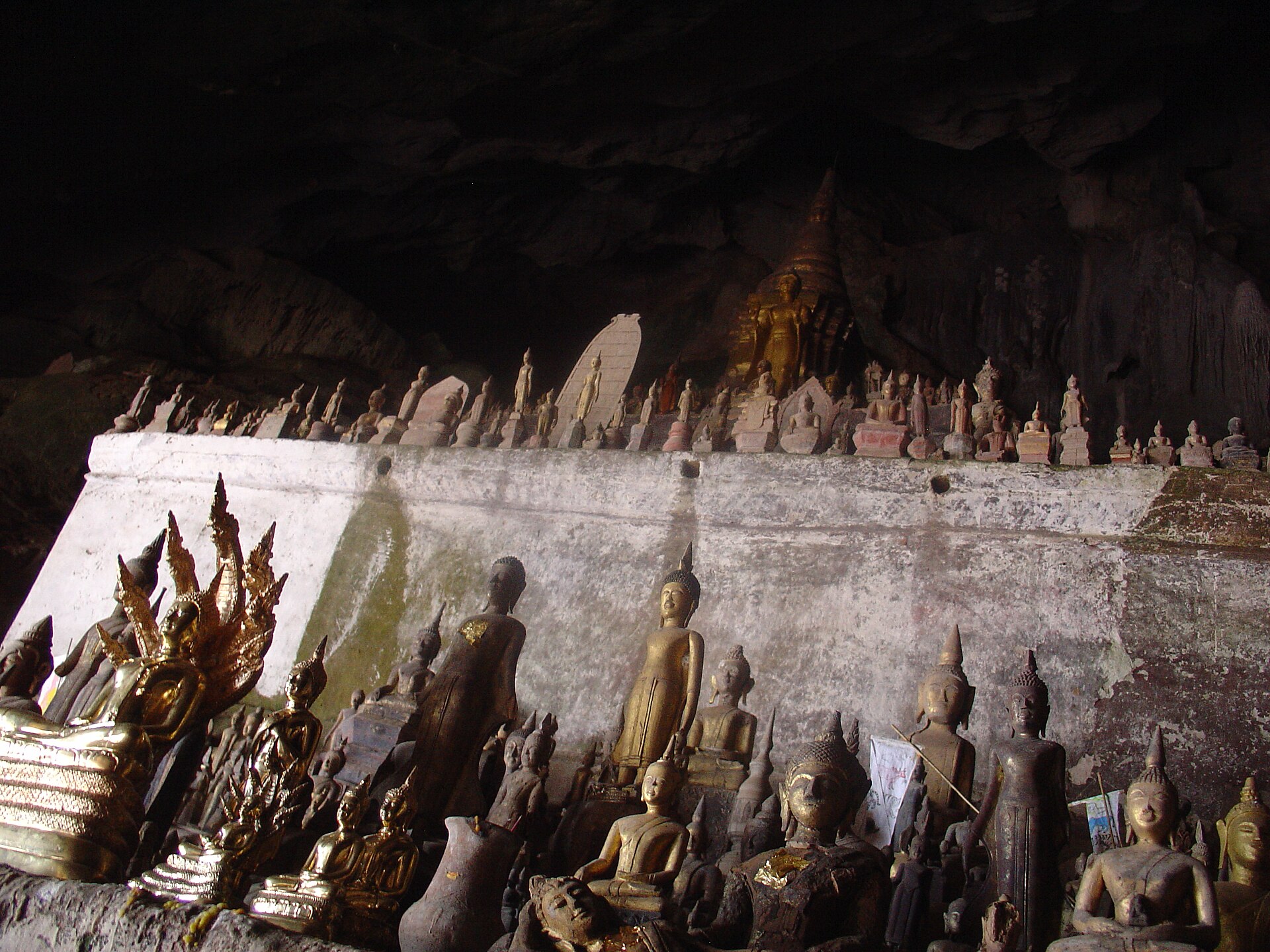
The caves aren’t just a natural wonder; they’re a meeting point of faith and earth, where the line between the two blurs. The entrance is tucked behind overhanging cliffs, and the only way in is up a steep staircase carved into the rock. Inside, the air is cool and dim, filled with the quiet presence of hundreds, maybe thousands, of Buddhist statues. They’ve been left here over centuries by pilgrims—small clay and wooden figures, some still glinting with traces of gold leaf, others worn smooth by time. They crowd the ledges, fill the niches, and press against the walls, some so dusty they seem to have always been part of the stone.
No one knows exactly how old the caves are. Local stories say the first statues appeared when Buddhism was still taking root in Laos, or perhaps even earlier. For generations, people have come here to pray, leave offerings, or seek protection from the spirits. In Laos, where Buddhism and animist beliefs intertwine, places like Pak Ou aren’t just religious sites—they’re alive, breathing entities. That might be why it’s easy to believe the statues aren’t just standing there, but watching.
There’s no grand architecture here, no vast chambers or intricate murals like in Angkor or India’s cave temples. The caves are simple: uneven walls, narrow passages, the occasional dampness seeping from the rock. But that’s what makes them special. There are no tourist signs, no crowds, no explanations—just stone, statues, and silence, broken only by the soft voices of visitors or the flutter of bats overhead.
The caves split into two main sections. The lower cave is more open and accessible, while the upper one is tighter, darker, and requires a bit of climbing. Up there, the air feels heavier, and the statues seem older, some broken, others blackened by the smoke of countless candles. Small altars hold flowers, fruit, or incense, making it clear this isn’t just a historical site but a place where rituals have continued for centuries.
Visiting Pak Ou isn’t like a typical tour. There are no guides reciting facts, no crowds snapping photos. Everything moves slowly—the boat ride, the climb, the quiet moments inside. You might spend an hour here, or half a day, just sitting on a ledge, watching the light shift across the walls. It’s the kind of place where you understand why people have come for generations—not for spectacle, but for stillness, for the chance to pause and feel connected to something beyond themselves.
There’s no infrastructure around the caves—no cafes, no souvenir stalls, not even restrooms. Just the river, the forest, and a few boats tied to the shore. This isn’t a place for those who expect comfort or constant excitement. But for anyone looking to see Laos beyond its temples and markets, Pak Ou offers something rare: a quiet corner where the river, the rock, and centuries of devotion exist side by side.
Leaving the caves, you realize Pak Ou isn’t just a landmark—it’s a living part of a culture that moves at its own pace. It hasn’t changed in hundreds of years, and maybe that’s why it matters. In a world that rushes forward, places like this remind you that some things endure. Sometimes, you travel thousands of miles just to stand in the half-light, surrounded by silent figures, and feel the weight of that stillness.