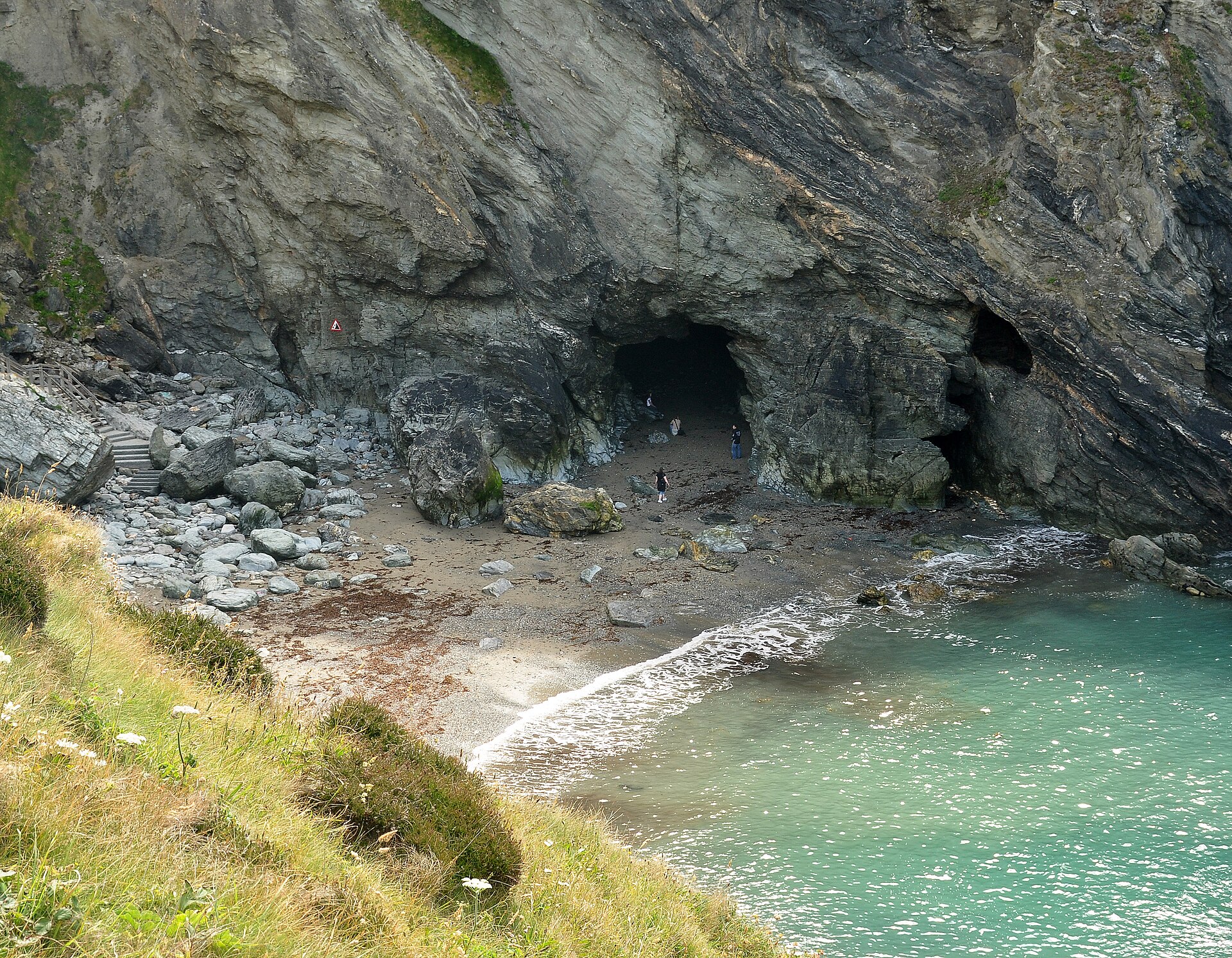
Merlin’s Cave lies hidden beneath the cliffs of Tintagel, where the Cornish coast meets the Atlantic. Its entrance appears only at low tide, when the sea retreats just enough to reveal a narrow gap between the rocks. The water never fully drains away—it laps against the cave’s depths, catching the light that filters through cracks in the ceiling. The cave seems to breathe with the tide, filling with the roar of waves before falling quiet as the sea stills.
The stories tied to this place blur the line between history and myth. The most famous is the legend of Merlin, the sorcerer of King Arthur’s court, who is said to have hidden the young Arthur here, shielding him from enemies until he was ready to claim his throne. Some believe the cave was Merlin’s sanctuary, where he cast spells or concealed treasures that still wait in the shadows. Archaeologists dismiss these tales, yet even they acknowledge the cave’s deep connection to the myths of Camelot and the Knights of the Round Table.
The cave itself is small, stretching about thirty meters into the cliff. Its walls bear the marks of time—layers of limestone carved by centuries of water and wind, forming jagged patterns. In places, faint traces of old mining scars remain, hinting that tin or other minerals may have been extracted here long ago. There’s no proof the cave was ever used for anything more than shelter, but what it lacks in historical certainty, it makes up for in atmosphere. The air feels thick with something older than the stories told about it.
Reaching the cave is no easy feat. The path begins with a steep descent from Tintagel Castle, winding down the cliffside through boulders and heather. The wind here is relentless, forcing you to lean into it to keep your footing. When you finally reach the shore, the cave seems almost unreachable, its entrance half-buried under rocks. Only at low tide can you step inside without wading through water. Those who make the effort are rewarded with silence, broken only by the rhythm of the waves, and the sense that time moves differently here.
This isn’t a place for snapshots or guided tours. There are no signs, no souvenir stalls, no rehearsed tales from a guide. Merlin’s Cave is for those who want to listen to the sea, watch the light dance on the walls, and imagine the footsteps of a sorcerer and his charge. On clear days, sunlight spills inside, turning the water a vivid turquoise. When the sky is overcast, the cave darkens, and the shadows seem to whisper of secrets long forgotten.
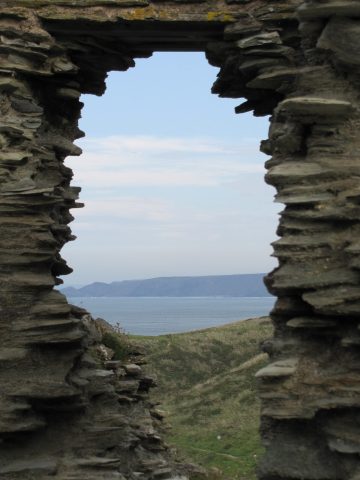
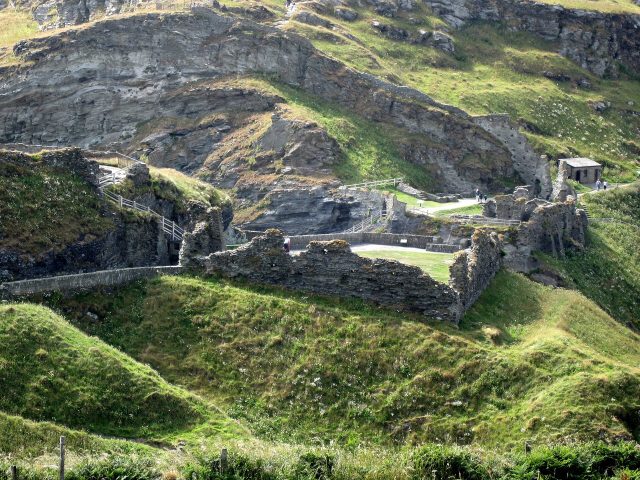
Tintagel is steeped in legend, and the ruins of its castle—perched above the cave—are said to be the birthplace of King Arthur. Excavations have confirmed that a fortified settlement once stood here in the early Middle Ages, though no evidence ties it directly to Camelot. Still, that hasn’t stopped visitors from flocking to the site, drawn by the stories that have become part of its identity. Merlin’s Cave is just one piece of that puzzle, but perhaps the most enigmatic.
In winter, the cave feels even more remote. Storms batter the coast, and the sea often floods the entrance, sealing it off for days. Even in summer, it’s rarely crowded—most tourists prefer the castle or the cliffside paths, leaving the cave to the curious few. That solitude is part of its charm. There’s no rush, no noise, just the chance to sit on the rocks by the entrance and watch the waves crash against the cliffs.
If you’re lucky, you might spot gulls circling overhead, their cries echoing through the cave. Seals sometimes rest on the rocks at low tide before slipping back into the water. The cave’s pool is always cold, even in high summer, and swimming isn’t advisable. But you can cup the water in your hands, feel it slip through your fingers, and remember that this place isn’t about comfort. It’s about raw, untamed beauty and the quiet magic that lingers in the spaces between myth and reality.
Merlin’s Cave is a reminder that some stories outlast the people who tell them. There may never have been a sorcerer here, and Arthur might only exist in legend. But standing at the cave’s entrance, watching the sea surge against the shore, it’s hard not to believe that a trace of that old magic still lingers in the rocks. That’s why people keep coming back—not for answers, but for the chance to feel, even for a moment, like they’re part of something greater than themselves.