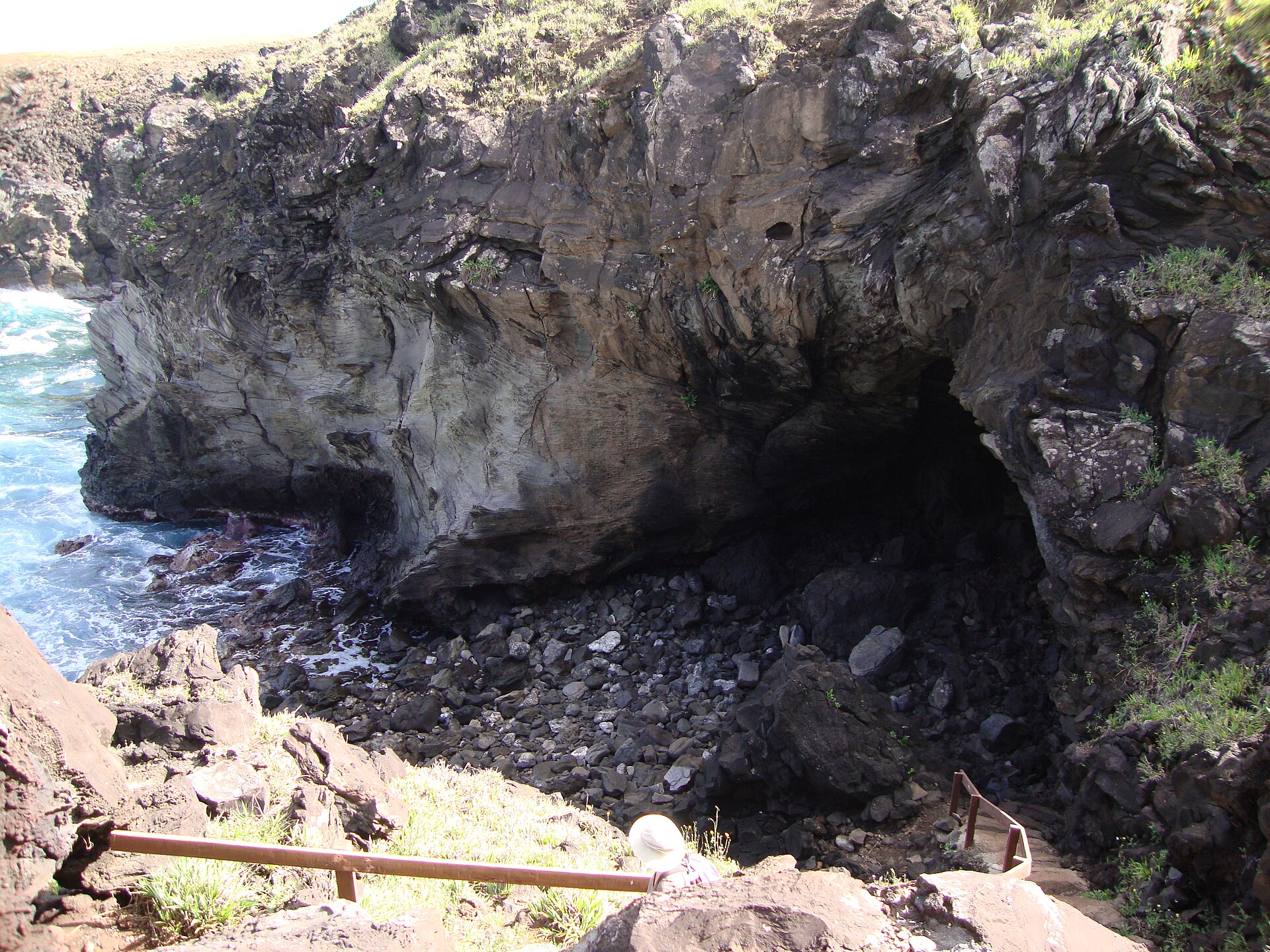
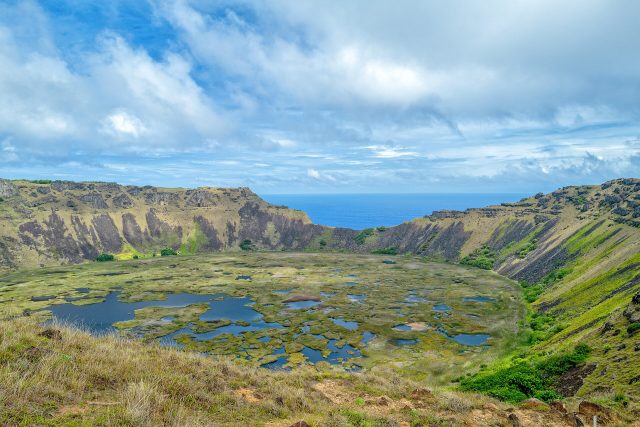
On Easter Island’s northern coast, Anaikaena Cave sits among hills where palms rustle and the ocean hums. The air here feels heavier, as if the past hasn’t quite let go. It’s a place where history isn’t just recorded—it’s still breathing.
Local legends say the first Polynesian settlers took shelter in these chambers, arriving in canoes from distant shores. The cave protected them from storms and enemies, and over time, it became a place for rituals and storage. Archaeologists have found traces of that life: stone walls, hearths, and faint petroglyphs worn by wind and damp. Not much remains, but what does tells of people who lived by the land and sea.
The entrance is easy to miss—a narrow gap in the rock, half-hidden by plants. You duck to step inside, and after a few paces, the space opens into a low chamber. The air is cool, damp, carrying the scent of earth and salt. Sunlight slips through cracks, painting shifting patterns on the walls. In some spots, soot from old fires still clings to the stone. In others, small niches are carved into the rock. No one knows their exact purpose. Maybe storage. Maybe something sacred.
The cave isn’t just a hollow in the earth. It’s part of a landscape that made sense to the Rapa Nui. Nearby, a crescent of white sand meets turquoise water—one of the island’s few gentle beaches. Unlike the jagged volcanic rock elsewhere, this corner feels sheltered. The bay would have been perfect for fishing, gathering shellfish, or growing crops. The cave, with its natural protection, would have been an obvious place to stay.
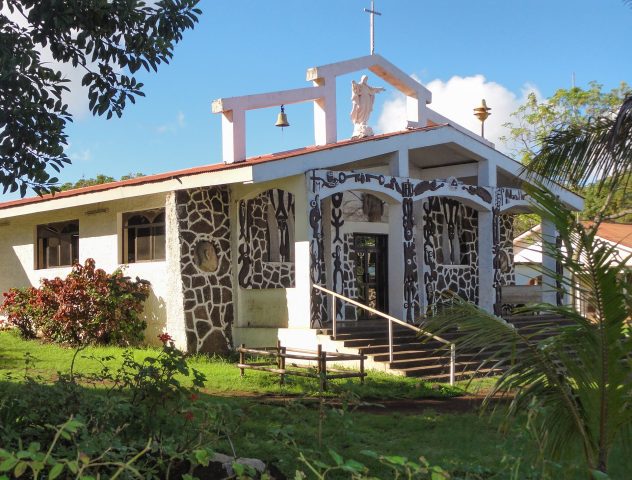
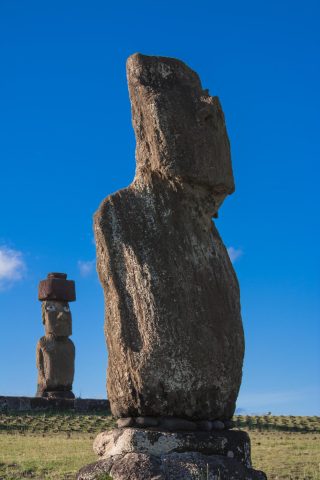
Today, Anaikaena draws visitors, though not like the moai. Some come out of curiosity. Others to honor the past. Small ceremonies still happen here, especially during Tapati, the island’s annual cultural festival. The cave remains sacred to many. Even strangers often leave feeling quieter, as if the stillness and the sound of the ocean just beyond the entrance have left a mark.
The ground inside can be slippery. Sturdy shoes help. A flashlight reveals details on the walls, though the dim light adds to the mood. There are no signs, no plaques—just the cave as it’s been for centuries. That rawness is part of why it feels real. You’re not walking through a museum. You’re stepping into a place barely changed since the last Rapa Nui fire burned here.
Anaikaena isn’t on every tourist’s list. That’s why it’s worth finding. No crowds. No souvenir stands. Just the cave, the ocean, and the weight of history. It’s the kind of place that lingers—not because of what you see, but because of how it makes you feel. If you prefer depth over spectacle, this might be the most memorable part of your trip.