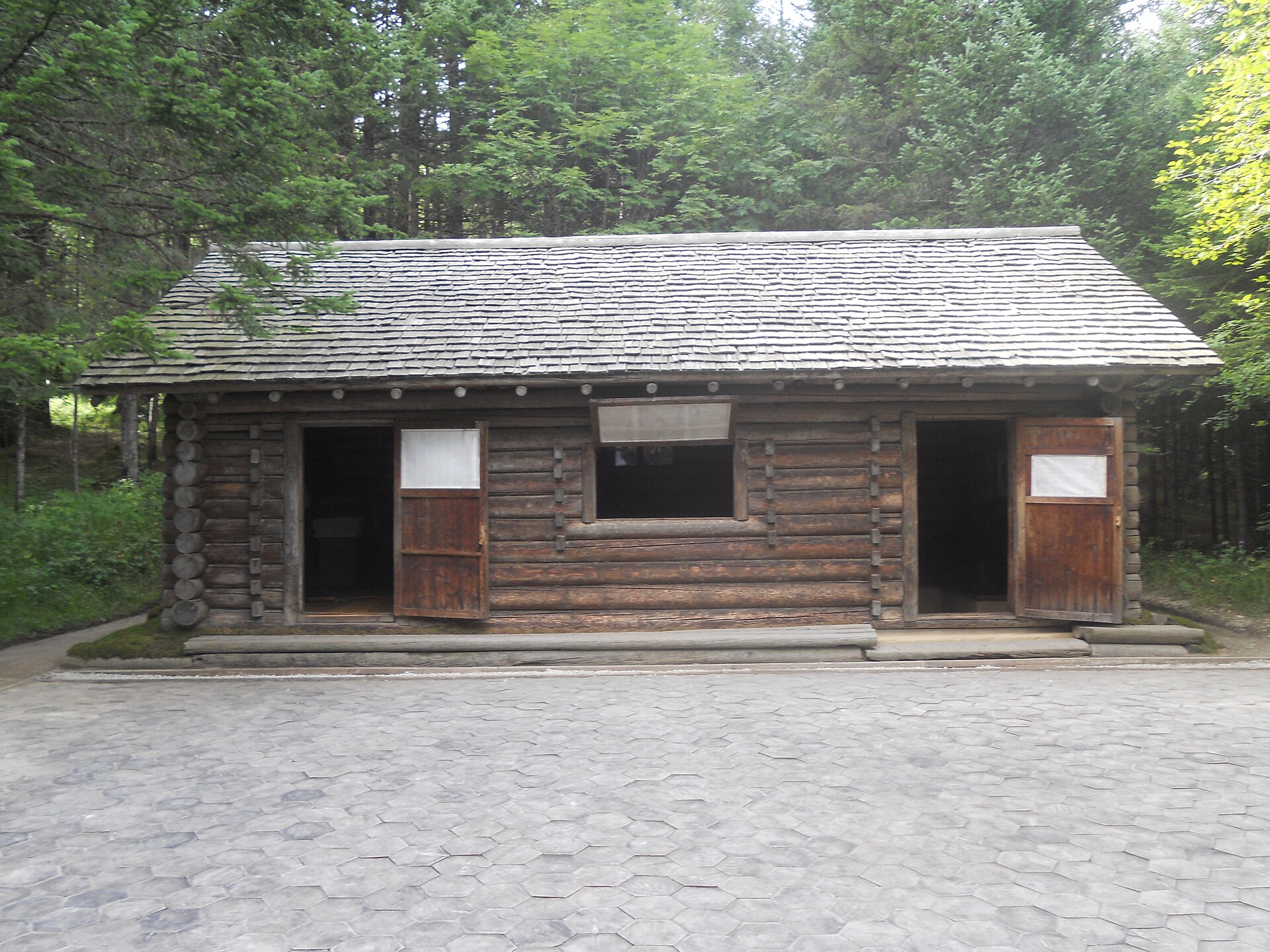
Perched at the foot of Mount Paektu, the Secret Camp carries myth and memory. This is where North Korea’s founding narrative took shape, where the struggle for independence unfolded. The camp was a network of shelters, lookout posts, and hidden paths in the rugged terrain. Now it’s a preserved memorial, a version of history set in stone.
Mount Paektu stands over the camp, its slopes steeped in legend. Koreans revere this place as sacred ground—the mythical birthplace of the nation’s first kingdom, with Heaven Lake at its summit. In the 1930s, the mountain’s isolation made it a refuge for guerrilla fighters. Dense forests and deep ravines hid them from Japanese forces. Winters were bitter, storms sudden.
The Secret Camp is where the future leader of North Korea is said to have made decisions and shaped the state’s ideology. The official story claims this was where the nation’s identity was forged, where fighters endured hardships that prepared them for battle. In truth, the camp was one of many hideouts, but its symbolism matters more. After North Korea’s founding, it became a site of pilgrimage. Soldiers, students, and officials come here to pay respects.
The memorial is a reconstruction. Aging veterans and archival photographs guided its design. Visitors walk through earthen huts where fighters slept, a command post, a forge, and a printing press for propaganda leaflets. The structures are simple, meant to show the harsh conditions of guerrilla life. Nearby, monuments bear quotes from the country’s founder, carved into stone.
For North Koreans, visiting the Secret Camp is an act of devotion. Ceremonies and oaths are held here. Foreign visitors see a curated version of history. Guides tell stories of heroism and point out reconstructed sites. What’s left out—the alliances with Soviet and Chinese communists, the internal divisions—is just as telling. The experience feels like stepping into a legend, one still being shaped.
The journey to the camp is part of its draw.
The road winds through remote landscapes where villages seem unchanged. The terrain is harsh—towering pines, rocky outcrops, thinning air as you climb. Winters drop temperatures below freezing. Summers bring sudden downpours that turn the ground to mud. The isolation makes the camp feel like a place apart, where revolution could take root undisturbed.
The reconstructed huts, weapons workshops, and lookout posts show the daily struggles of fighters. They lived on the edge, relying on the land and local villagers. Conditions were primitive, risks constant. The official story smooths over these hardships, but the landscape itself speaks of endurance.
For outsiders, the camp offers a look at how North Korea builds its history. There are no alternative views here—only one version of events, where every detail reinforces the nation’s greatness. Yet the place has its own power. Mount Paektu’s peaks, Heaven Lake’s stillness, the whispering forests—all of it feels like a witness to the past.
The Secret Camp is where history is shaped to serve the present. The struggles of one era inspire devotion in another. Beneath the propaganda, it’s a link to Korea’s turbulent past, a reminder of how nations craft their identities. For visitors, it’s a chance to see not just how North Korea remembers, but why Mount Paektu’s legends still hold sway.